"The Giovanni's restaurant has been vacant for a number of years and it felt like a lot longer than that sitting there, languishing."
That's an attorney talking to the Danvers Select Board about 62 Maple Street, the old Giovanni's Pizza & Roast Beef building that anyone who drives through downtown has passed a hundred times without really seeing. It's the kind of storefront every town has: not derelict, just stalled, a placeholder for whatever comes next. What's notable about Danvers right now isn't that one building is finally getting a tenant. It's that three of them are, all within a few blocks of each other, and all three are being opened by people who already had somewhere else they could have gone instead.
That's the part worth sitting with. This isn't a developer parachuting in with a chain concept because the rent was cheap. It's a Gloucester seafood restaurant expanding its own brand, a longtime Danvers family bringing a pizza-shop career home, and a chef who stumbled onto 285 years of local history and decided to keep it going. At the same time, the town's rail trail is finishing an extension that routes more people directly into the same few blocks on foot. Put those together and downtown Danvers stops being a place you pass through on the way to Route 1 and starts being a place with an actual reason to park the car and walk.
Two Storefronts on the Same Street, Two Different Signals
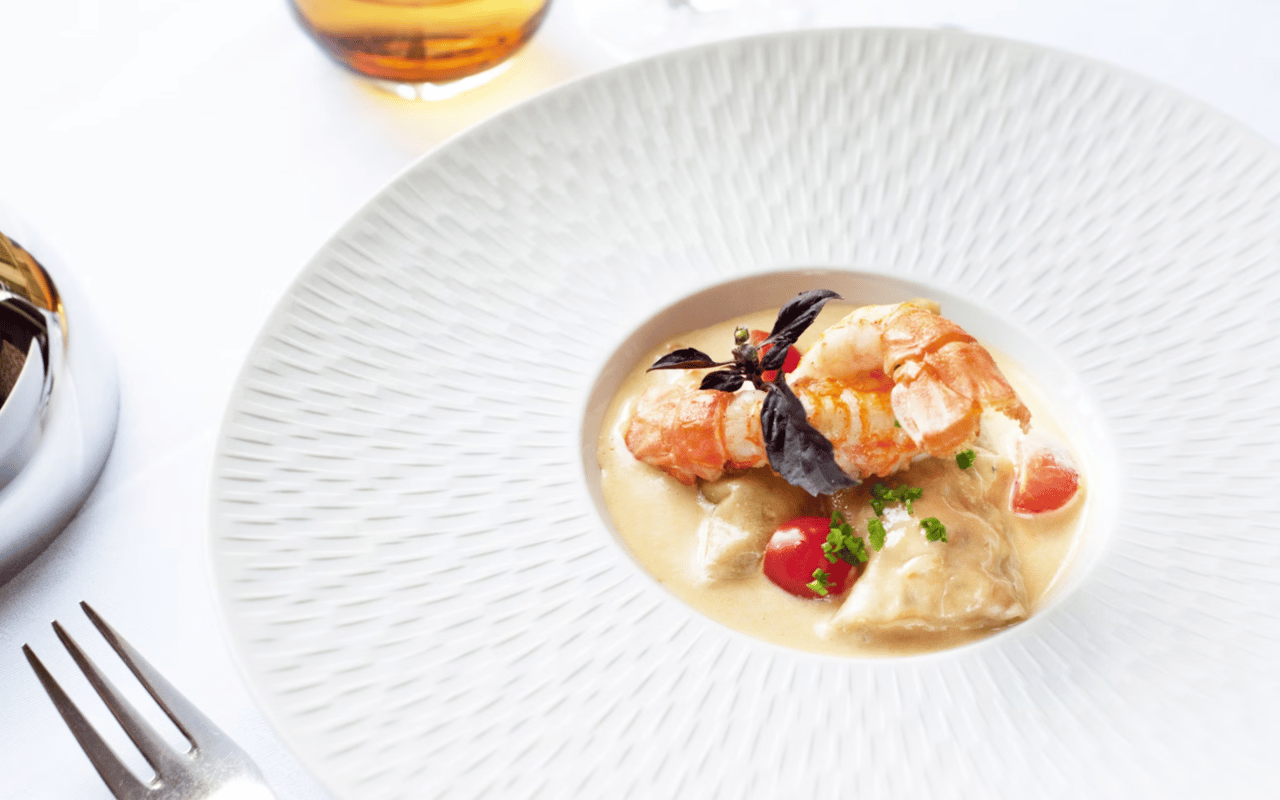
Fifty Maple Street used to house Unity Victuals. Now it's Salt Water Grille, the Danvers outpost of a Gloucester restaurant that Jack Fallon opened on Washington Street back in 2019. When Fallon brought the concept to the Danvers Select Board for a liquor license transfer, he described the new location as roughly half the size of the Gloucester original, built out for 14 bar seats and 22 tables. That's a meaningful detail on its own: Fallon wasn't testing an unproven idea in Danvers. He was scaling down something that already worked seven years into running it, betting that a smaller footprint on Maple Street could still make sense. "We looked at a lot of the local places and I think we have found a possibility to really provide enjoyable, fresh seafood right from Gloucester to Danvers," he told the board. The restaurant has been open long enough now to collect a run of 2026 reviews, for what it's worth, with regulars calling out the mussels in tomato-wine sauce and the baked haddock.
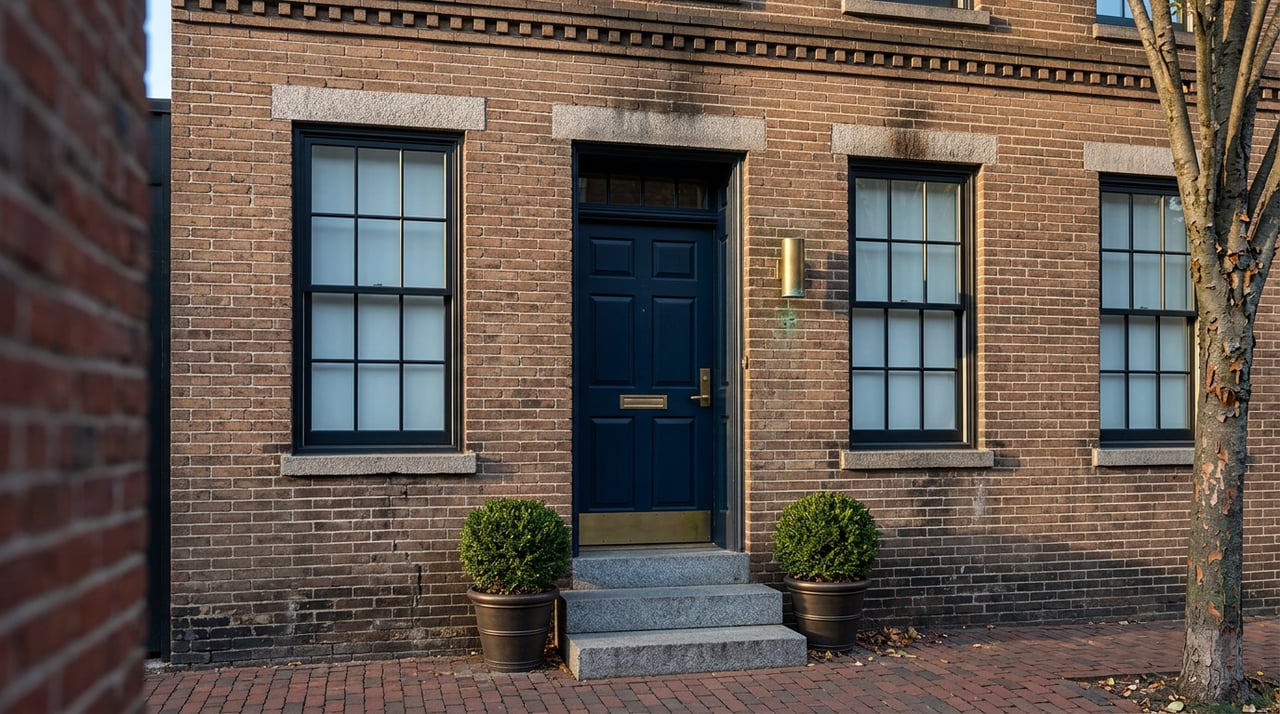
A block away at 62 Maple, the story runs the opposite direction. George Tsatsis isn't importing a brand from somewhere else. He's a 14-year Danvers resident whose wife, Amanda, grew up in town, and he spent years running Lynnfield House of Pizza before transferring that business. Craft Kitchen + Bar is his next chapter, and it's going into the space that sat empty long enough to become a running joke about how long a "for lease" sign can hang in a window. His attorney put it plainly at the Select Board meeting: a restaurant is a family business for Tsatsis, one he learned working under his father, and he chose to bring that experience back to the town where he actually lives rather than open somewhere else first.
Two buildings, two very different paths into downtown Danvers, but the same underlying signal. Neither operator needed Maple Street. Both chose it anyway.
The Building That's Had Six Names Since 1741
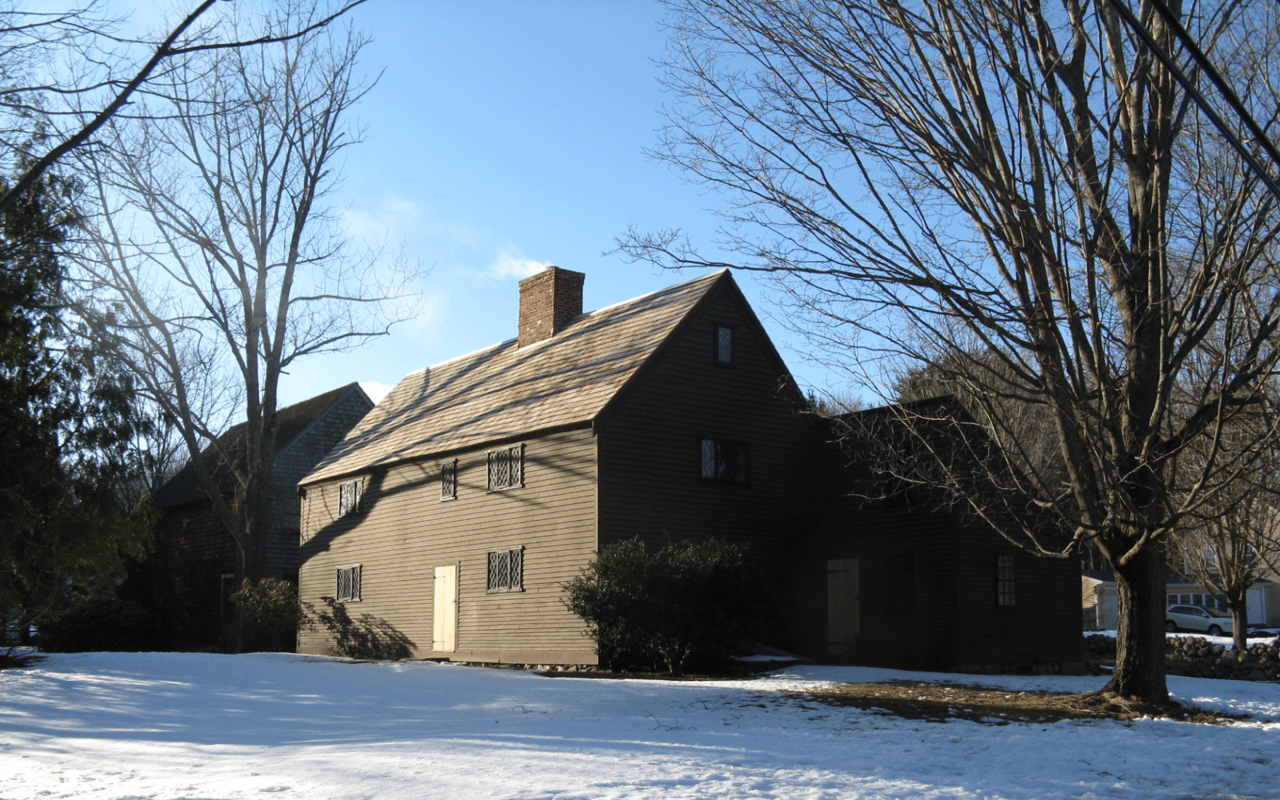
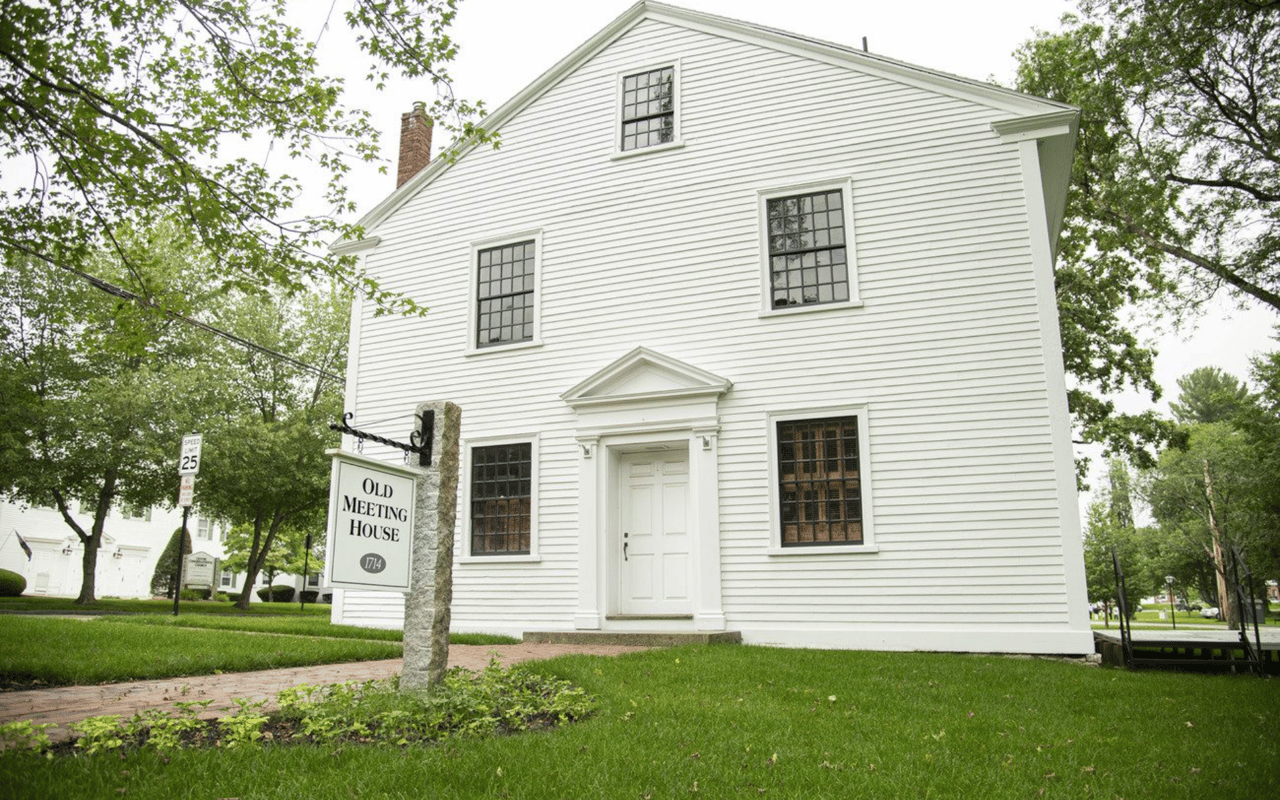
If Maple Street is where the newest energy is landing, High Street has the building that makes the case that this kind of reinvention isn't new to Danvers at all. The Berry Tavern, at 2 High Street, traces back to 1741, when John Porter built what a historic plaque once described as "a house of public amusement." Over the next two centuries it operated under a rotating cast of names:
- Putnam House
- Naumkeag House
- Hotel Danver
- The Berry Tavern, from 1808 to 1925
Chef Joseph Bono, known locally for his work at Al Dente and Benevento's, found the building almost by accident, stopped at a downtown red light long enough to notice a plaque on a for-lease storefront. A trip through the Danvers Library archives filled in the rest of the story, and Bono reopened it under its historic name, serving brick-oven pizza and American comfort food with live music in the bar most nights, open seven days a week from 11 a.m. to 12:30 a.m.
The point isn't that Danvers has old buildings. Plenty of towns do. It's that the building's whole history is a record of the same thing happening to it over and over: a space goes quiet for a while, then someone with a reason to care about the town takes it over and gives it a new name. The Berry Tavern has just done that six times since Washington was president.
A Trail That Now Actually Leads Somewhere
Downtown's other current project is less visible from a car window but shapes how people actually get there. The Danvers Rail Trail runs 4.3 miles north to south along the old Boston & Maine rail corridor, linking schools, parks, residential neighborhoods, and trail networks in Peabody and Wenham. A newer 2.9-mile extension is under construction heading northwest from Wayne Marquis Memorial Park to connect with the Middleton Rail Trail, and sections of that extension are already open to walk or bike even while the rest is being finished.
The trail's route matters here specifically because it winds through downtown Danvers itself, not around it. A handful of access points make that connection concrete:
| Access Point | Address |
|---|---|
| Lot behind Danvers Indoor Sports | 150 Andover St |
| Tapleyville Park | 139 Pine St |
| Public lot by the fish market | 26 Hobart St |
| Putnamville Park | 9 Wenham St |
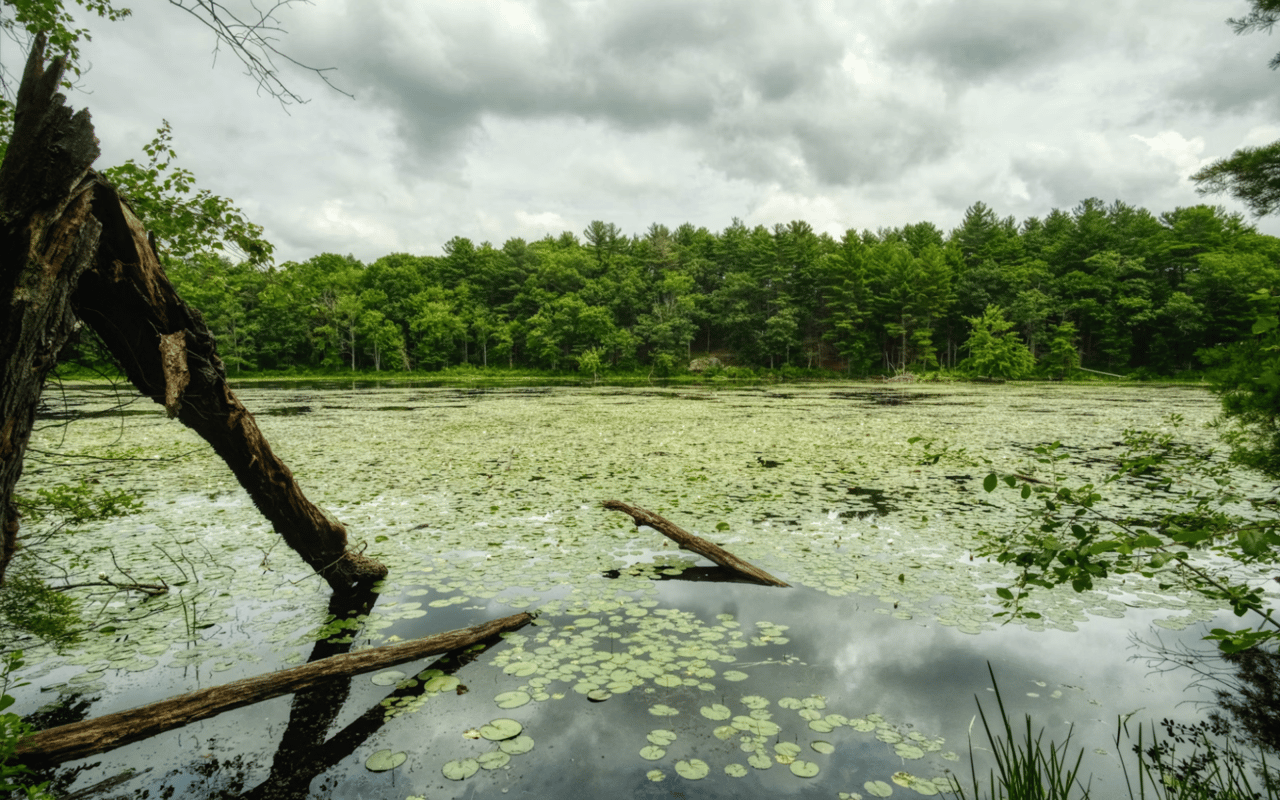
The fish market lot on Hobart Street puts trail parking within an easy walk of Maple Street. So does the stretch of trail that curves through a wooded section locally known as the Swampwalk, a boardwalk section where regular users report spotting beavers, turtles, and the occasional great blue heron. It's a genuinely quiet, undeveloped-feeling stretch of path that happens to spit you out close enough to downtown to make dinner afterward an easy call rather than a separate errand.
What's Actually Changed on the Trail This Year
This isn't a trail that just exists on a map somewhere and gets mentioned in passing. It's actively maintained and actively used enough to generate its own 2026 news. The Danvers Electric Division ran summer vegetation management along its right-of-way starting the week of June 15, 2026, which meant rolling daytime closures as crews worked their way north from the Peabody line toward Putnamville Park, section by section, so anyone planning a longer walk that week had to check which stretch was open before heading out.
The Friends of the Danvers Rail Trail, the nonprofit that partners with the town to maintain the path, has also been dealing with a more persistent issue: unauthorized motorized use. Danvers police have confiscated more than 20 vehicles from the trail that don't meet the rules, everything with a combustion engine or an electric motor without pedals, while Type 1 and Type 2 e-bikes remain allowed under the state's 2022 Transportation Bond Bill. On the other end of the spectrum, a volunteer program called Cycling Without Age Massachusetts is preparing to launch free tri-shaw rides on the trail for seniors and residents with mobility limits, led by local volunteer pilots Carol White and Jack Foster.
None of that is dramatic news. It's the kind of maintenance and small-scale community effort that only shows up if you're actually paying attention to the trail rather than just knowing it exists.
Why the Two Stories Belong Together
Route 1 tells a different story right now. The Chili's location closed for good, and Applebee's has been scaling back across Massachusetts to just four remaining locations in Greater Boston, with the old Danvers Applebee's building reportedly headed toward a breakfast concept instead. That's the highway-facing side of town, built for drive-up convenience, thinning out.
Downtown is doing the opposite. A Gloucester restaurant expanded into a smaller footprint on Maple Street rather than staying put. A Danvers family brought its own pizza-shop experience back to a building that sat empty for years. A chef found a plaque at a red light and gave a 285-year-old building its name back. And the rail trail, extension still under construction, already routes walkers and cyclists from a parking lot behind the fish market straight toward all of it.
None of that happens because a strip mall needs another tenant. It happens because people who already live in Danvers, or already run something that worked somewhere else, decided this particular street was worth the effort. That's a different kind of growth than a new chain moving into a vacant big box, and it's the kind that tends to compound: one filled storefront makes the next one look a little less risky, and every extra person on the trail is one more potential customer walking past a lit window instead of driving past a dark one.
If you've been meaning to check out what's new on Maple Street, the fish market lot on Hobart Street is a reasonable place to park the car and just walk the rest of the way.
Whether you're weighing a move within Danvers or just keeping an eye on how the town is changing, Evelyn Rockas has been tracking these North Shore neighborhoods long enough to know which shifts actually matter. Let's Connect if you'd like to talk through what any of this means for your own plans.