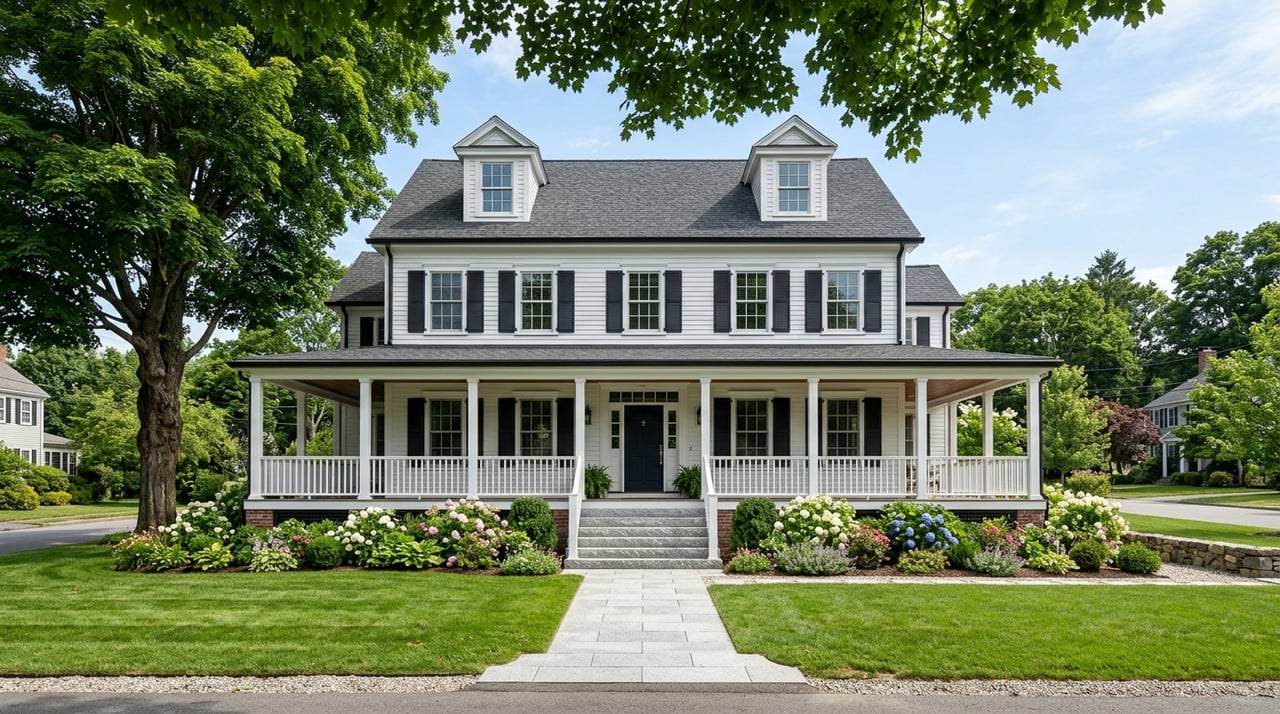
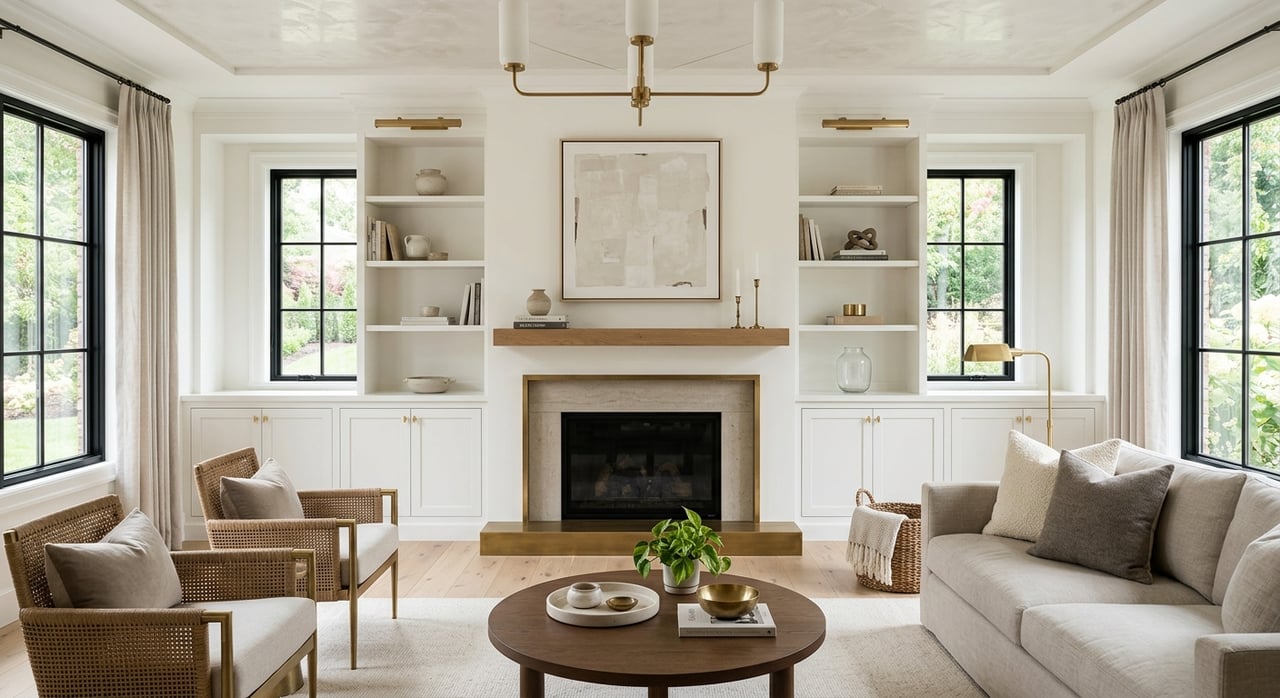
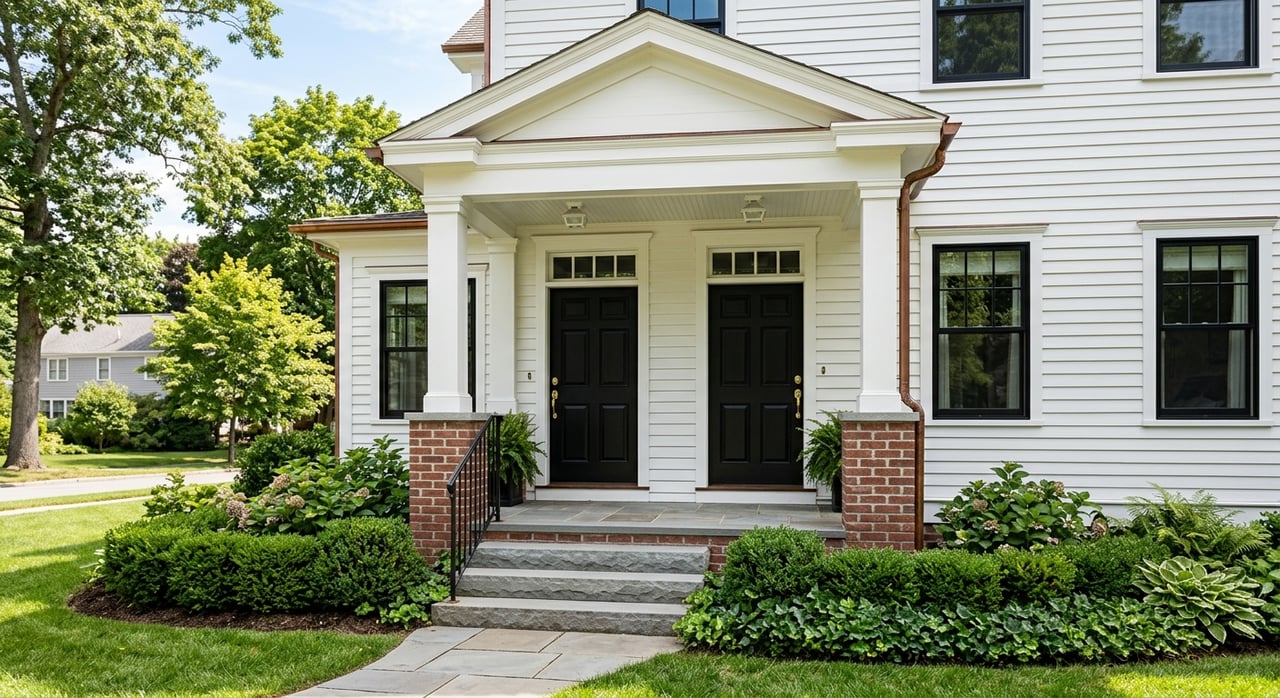
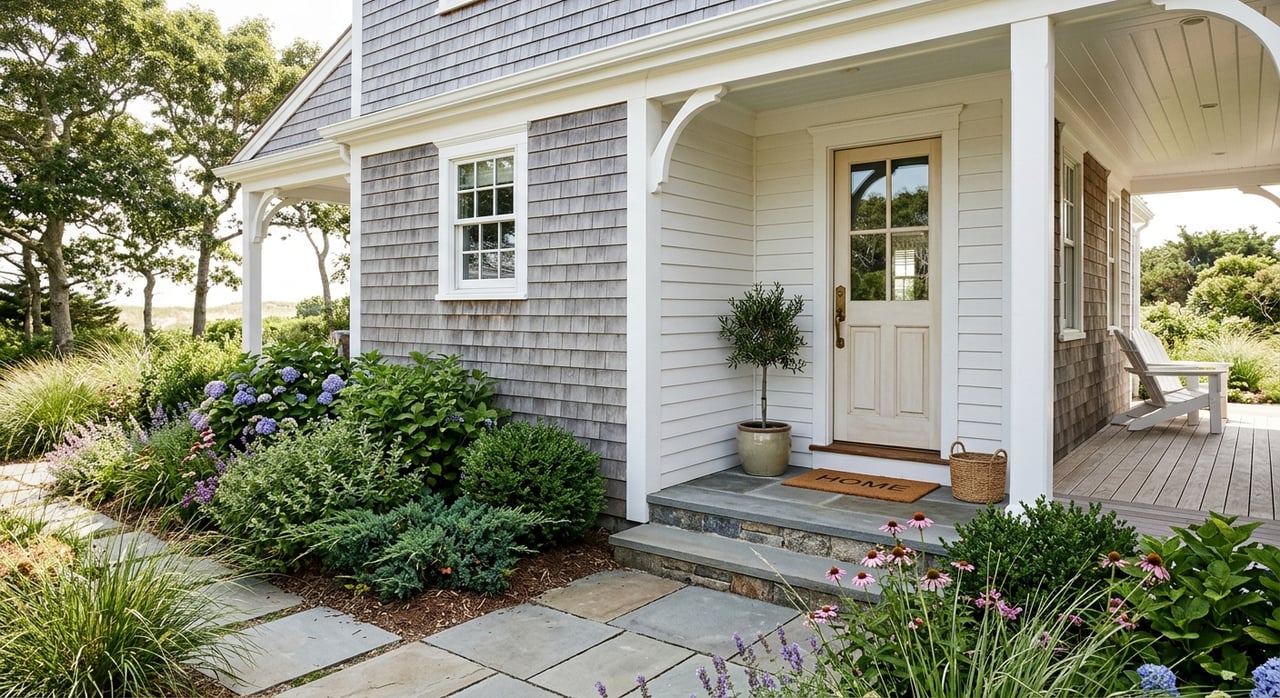
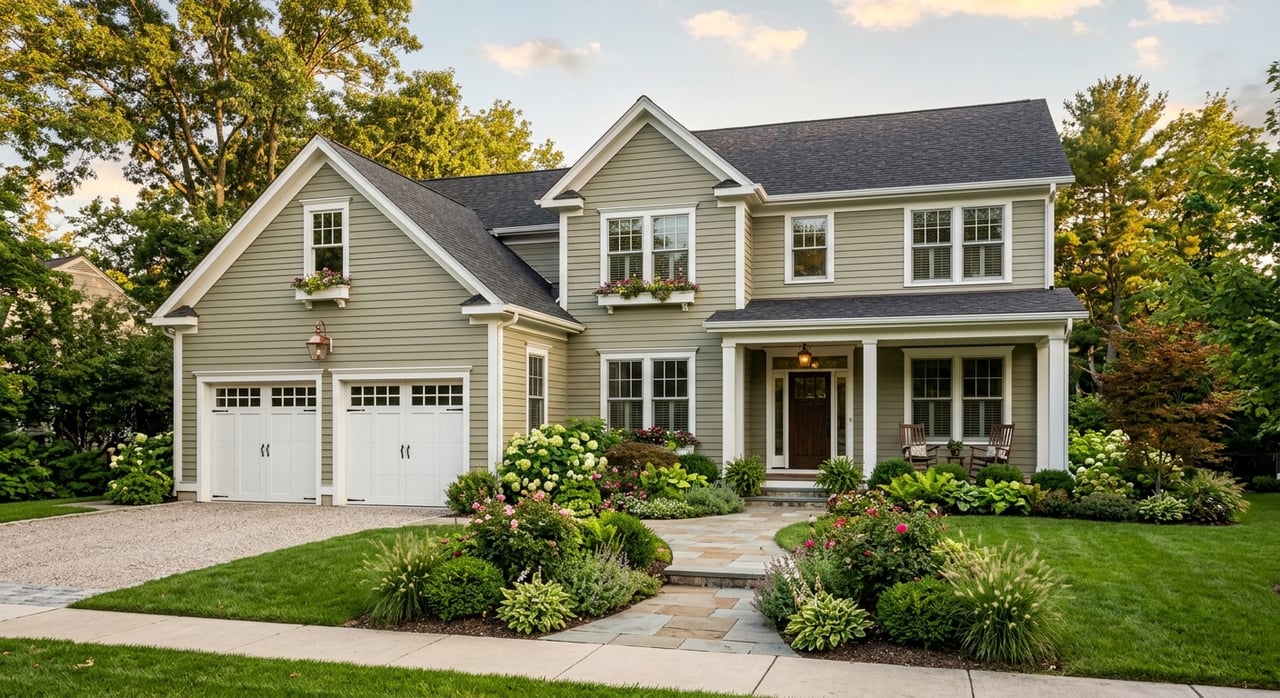
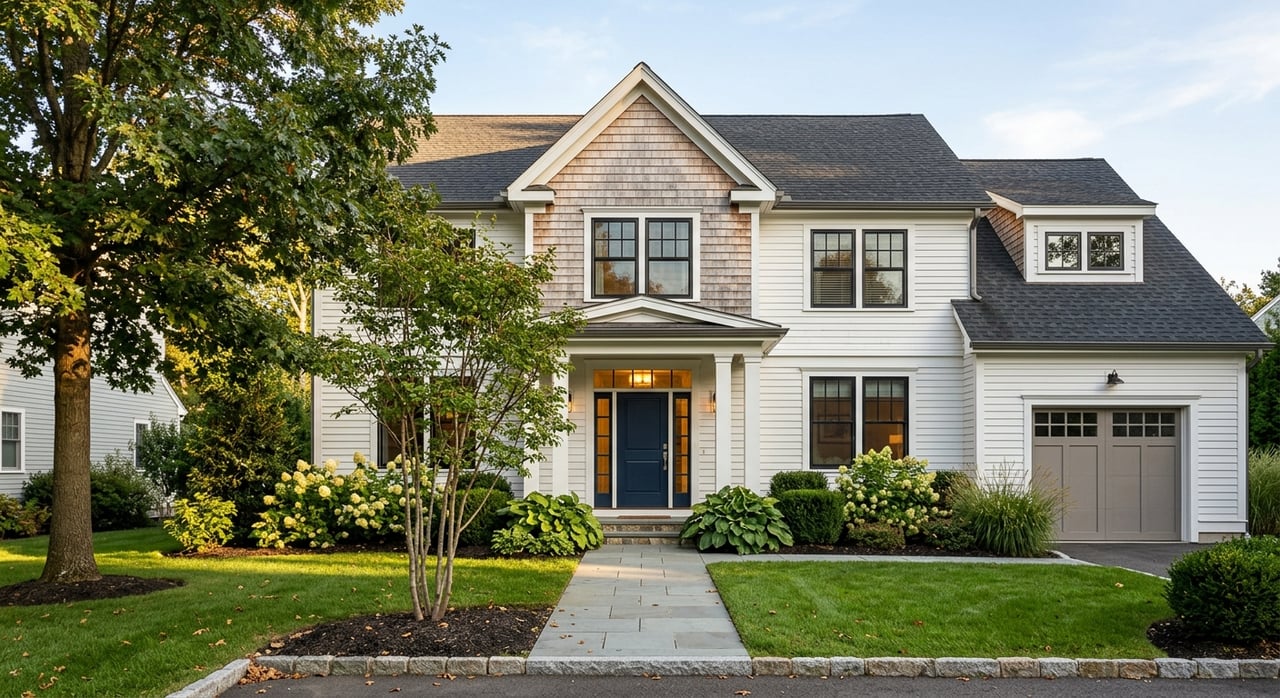
Looking for a newer home in Middleton, but not sure where to start? You are not alone. In a town known for its single-family character and relatively low turnover, finding newer construction or estate-style property can feel a little more specialized than a typical home search. The good news is that there are opportunities if you know what to look for, where newer homes tend to appear, and which details deserve extra attention before you buy. Let’s dive in.
Why Middleton Appeals to Buyers
Middleton is a small Essex County town with 9,779 residents, and its housing market reflects that smaller scale. Census data shows a median owner-occupied home value of $713,000, and 86.1% of residents lived in the same home one year earlier, which points to a market with relatively limited turnover.
That matters if you are shopping for a newer home or an estate-style property. In a town where many homeowners stay put, newer inventory is a meaningful part of the market, but it is not the dominant product type. According to Housing MA, about 23.77% of Middleton homes were built in 2000 or later, while roughly 48.66% were built before 1980.
What “Newer Homes” Means in Middleton
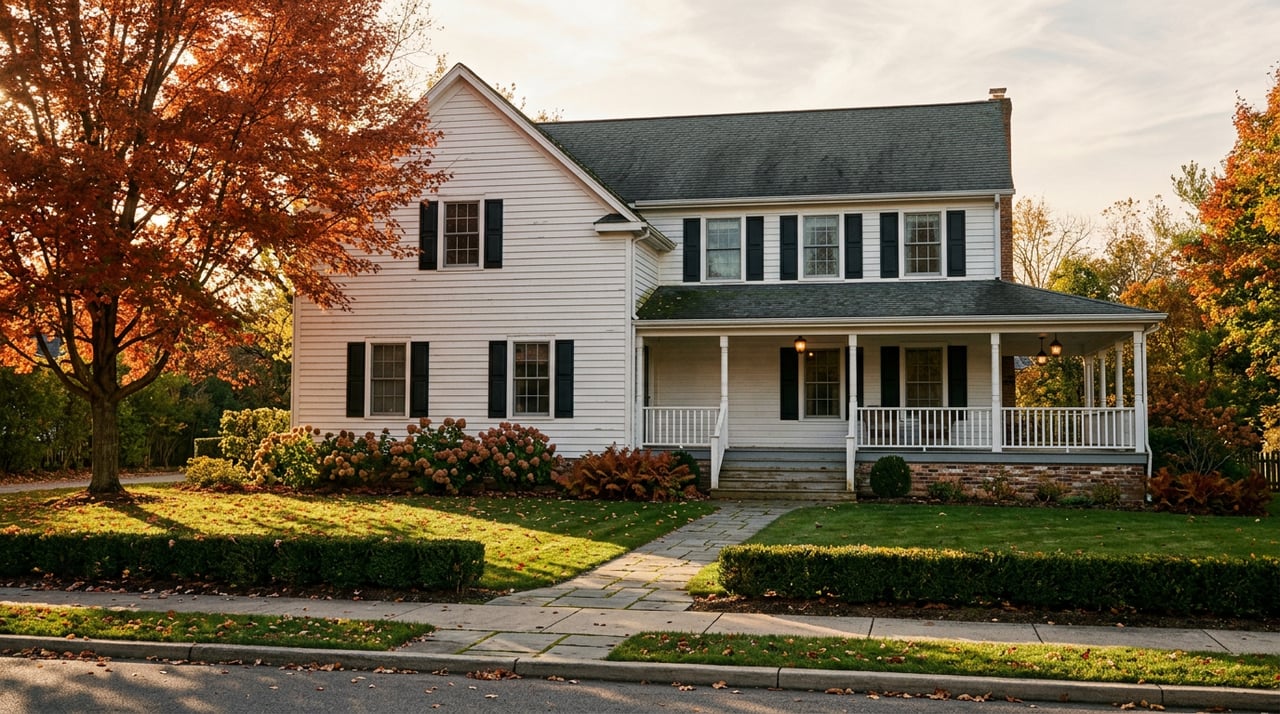
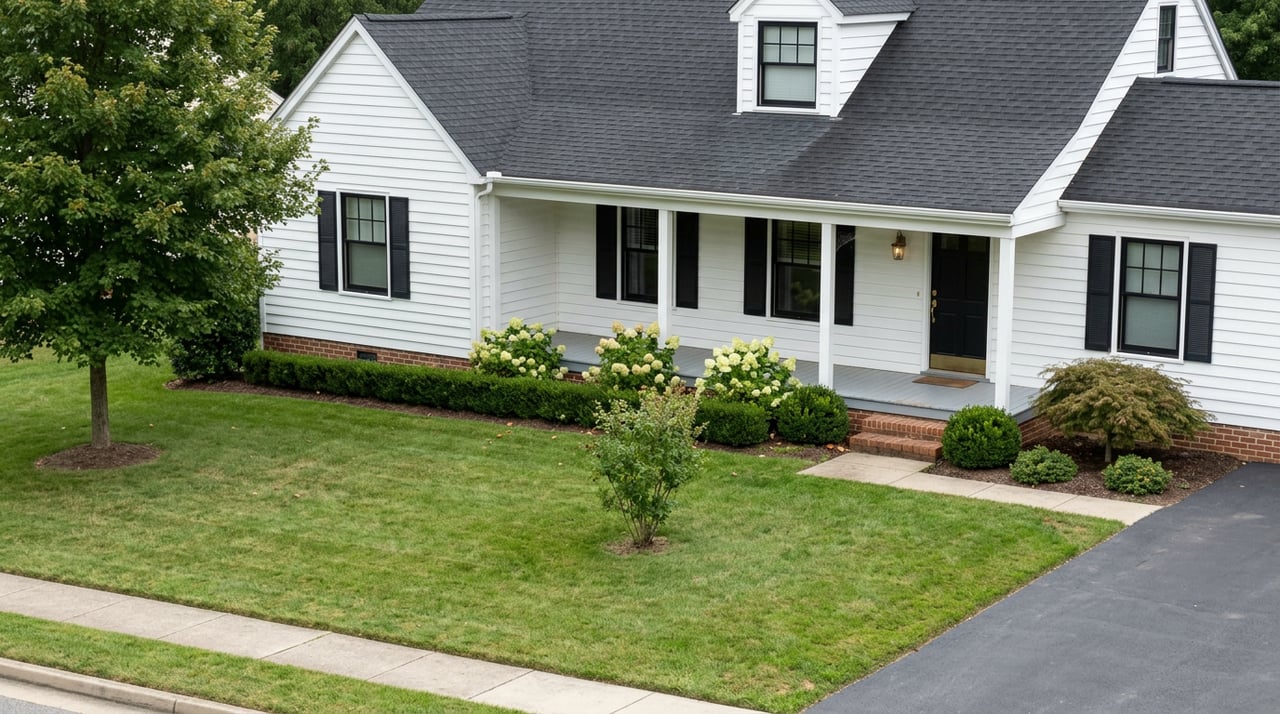
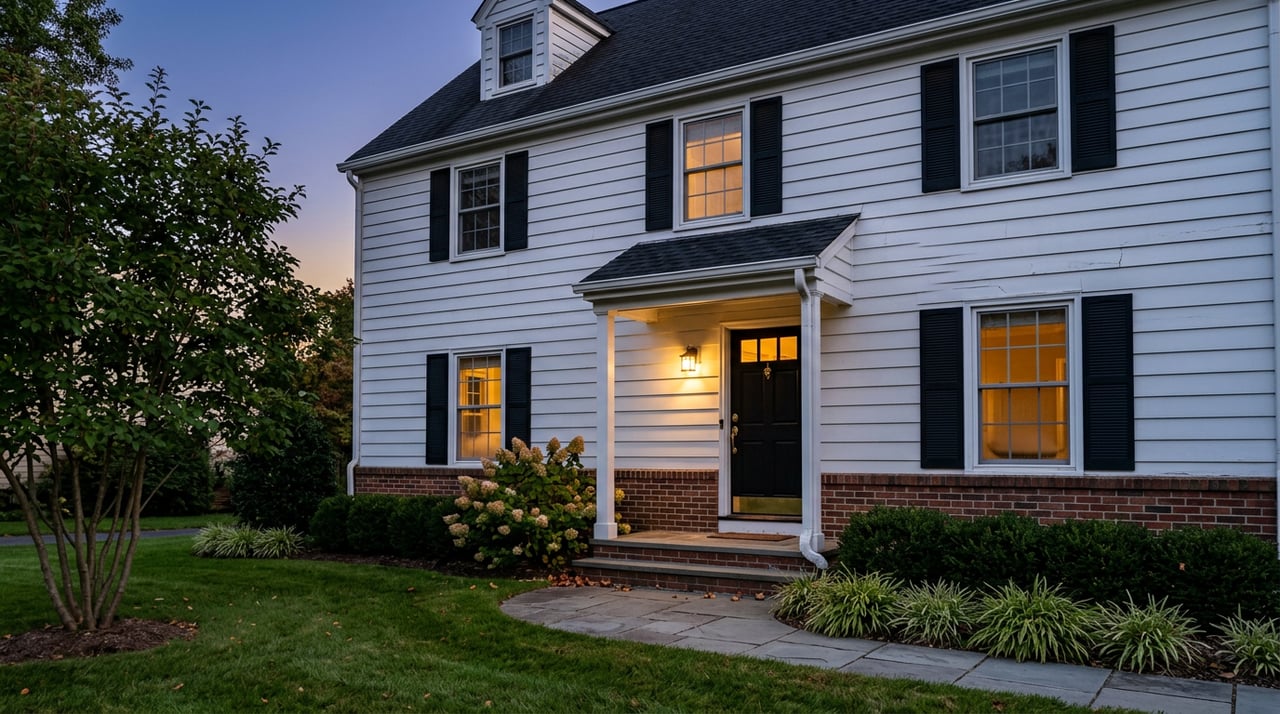
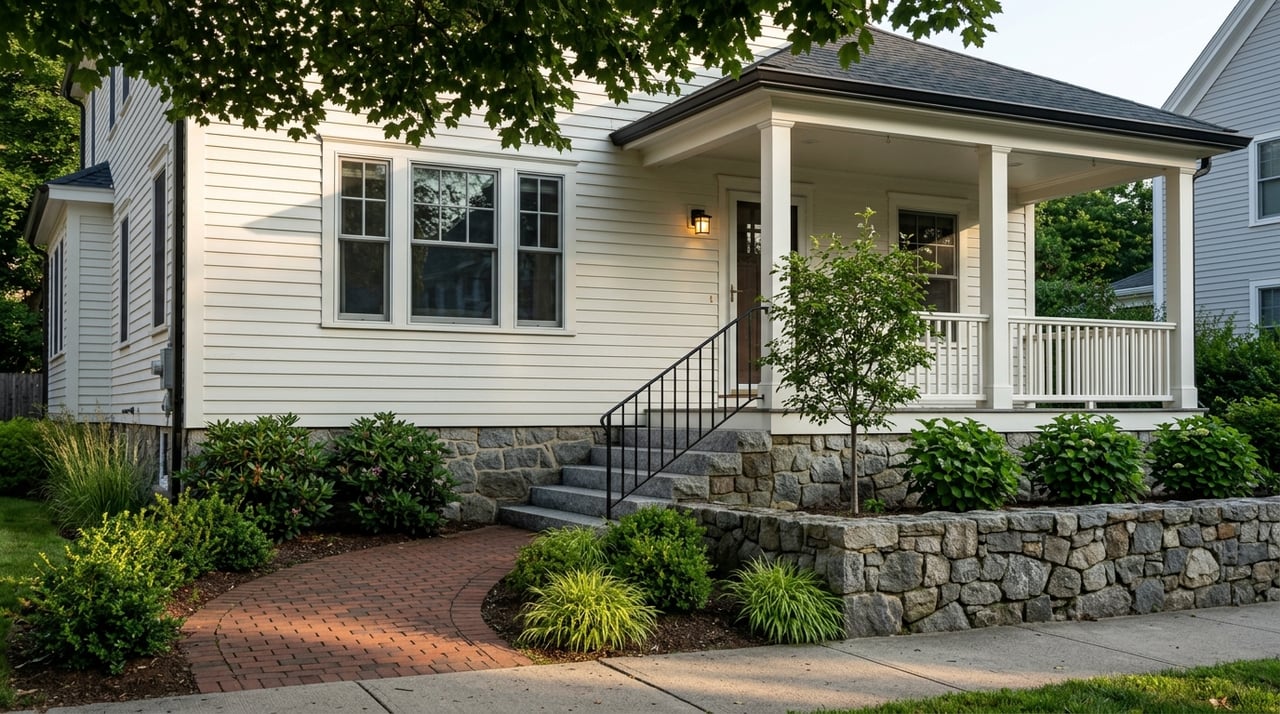
In Middleton, newer homes are less about one famous neighborhood and more about the age of the home, lot size, and development pattern. The town’s housing plan describes the center and older districts as having smaller lots and older, often historic homes, while newer residential growth has come through subdivisions and larger-lot areas.
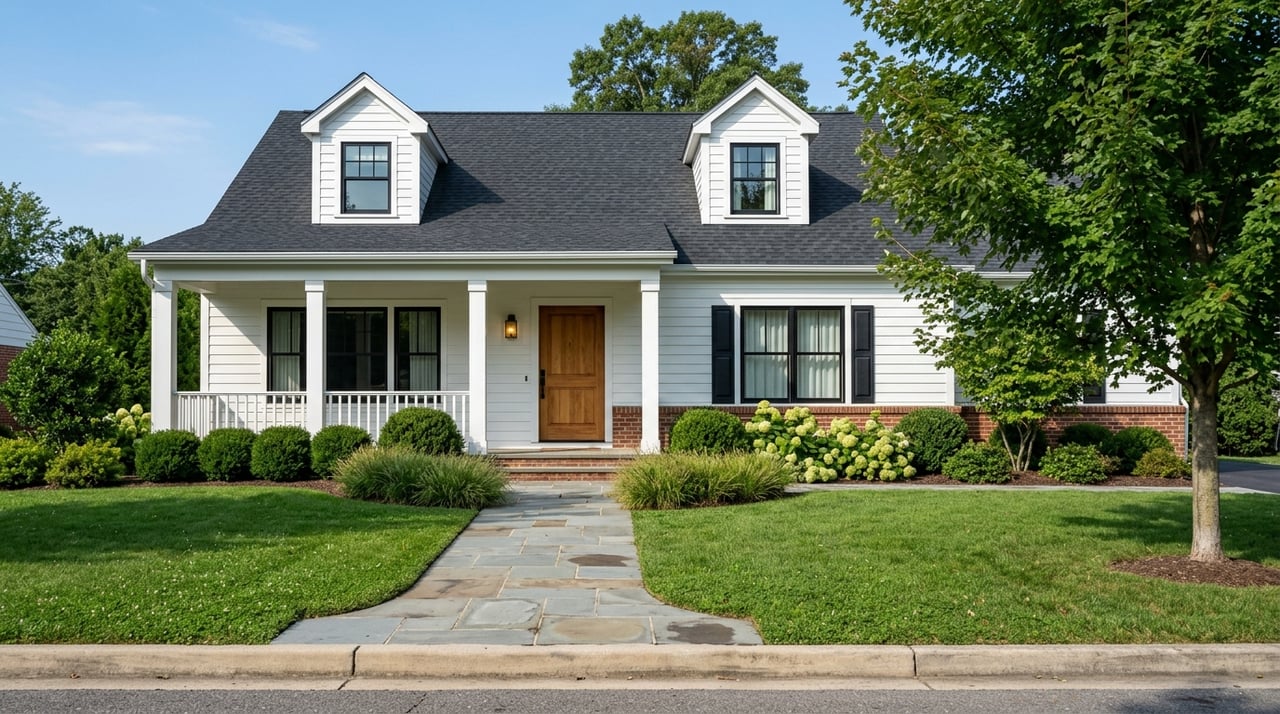
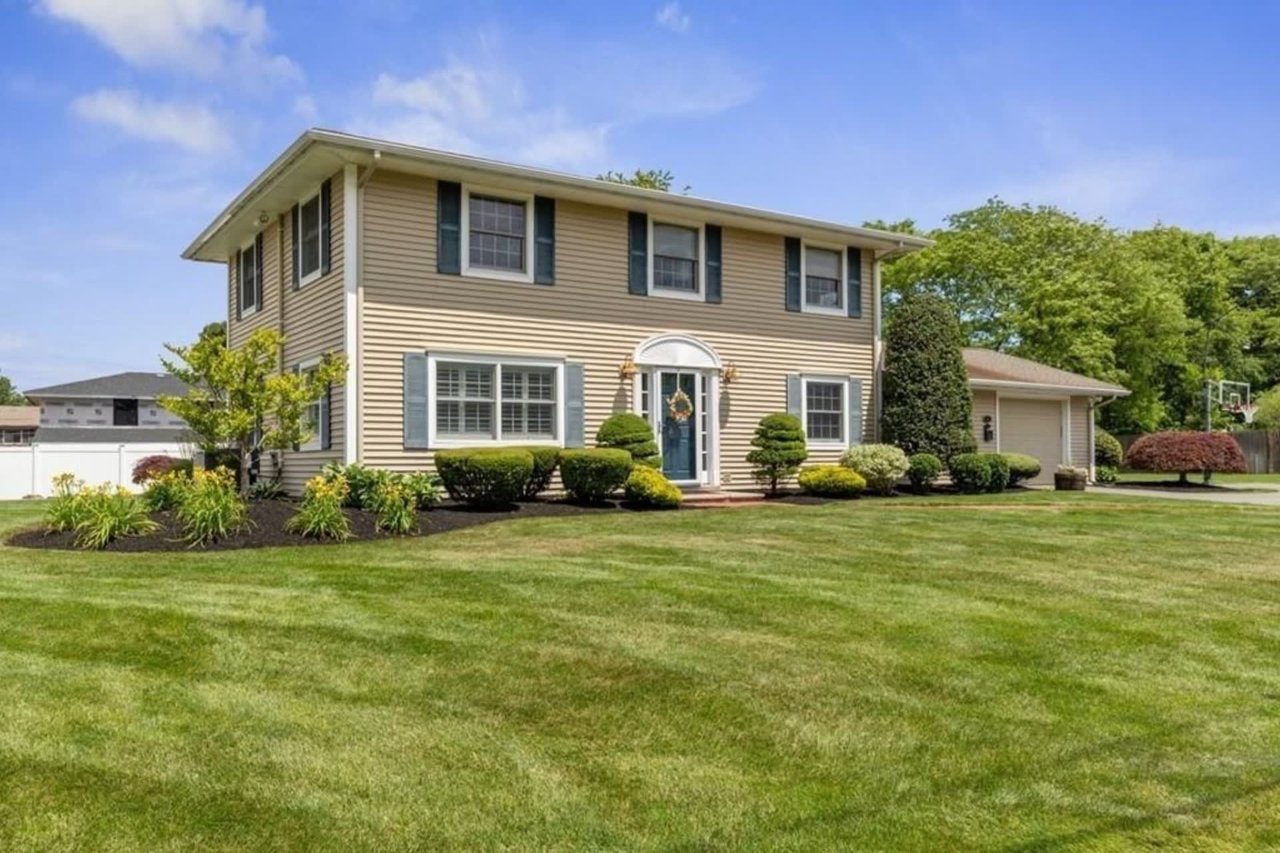
For buyers, that means your search may be less about a single destination and more about identifying the right housing type. You may find newer single-family homes on larger parcels, homes in subdivision pockets, or lower-maintenance attached options tied to redevelopment sites.
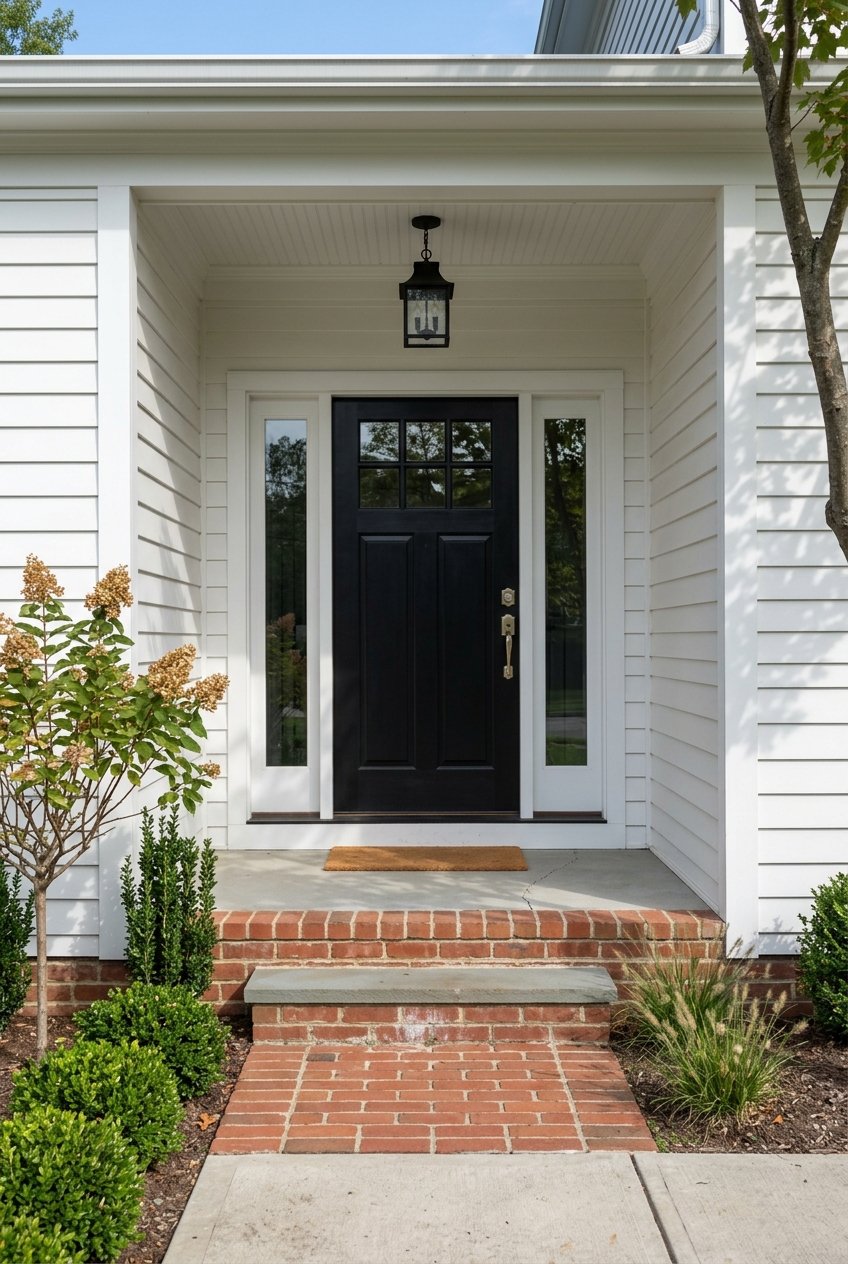
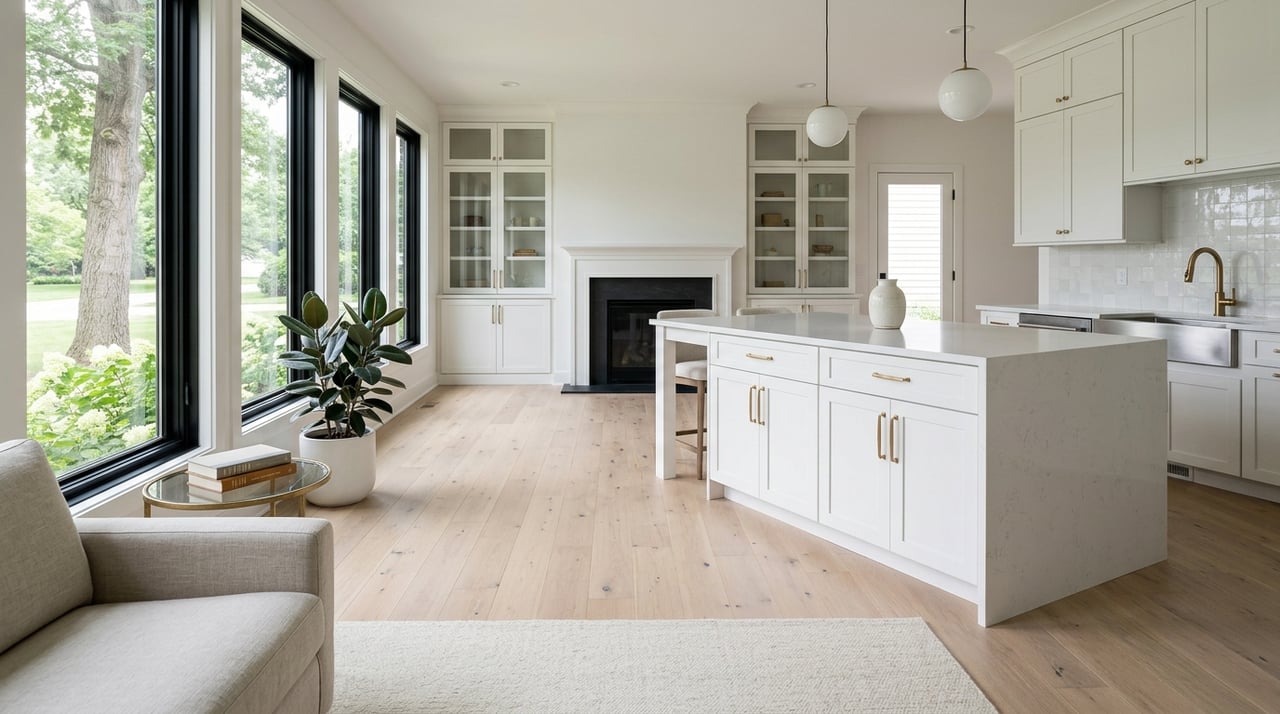
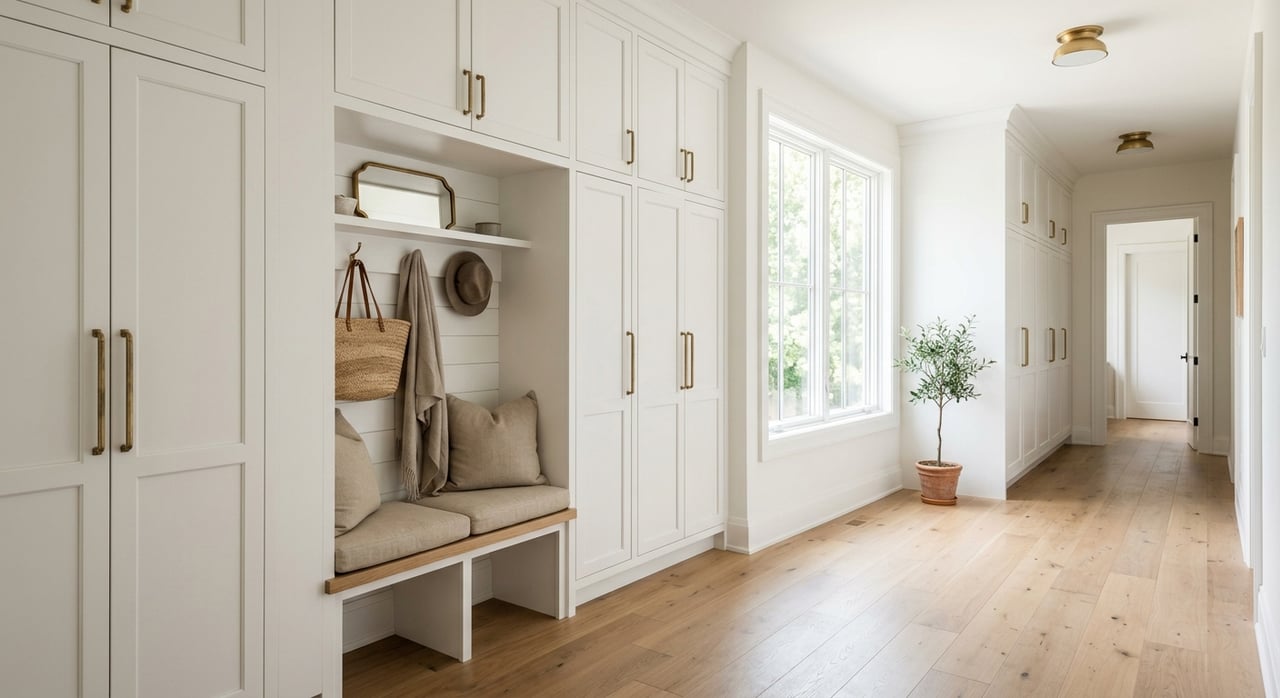
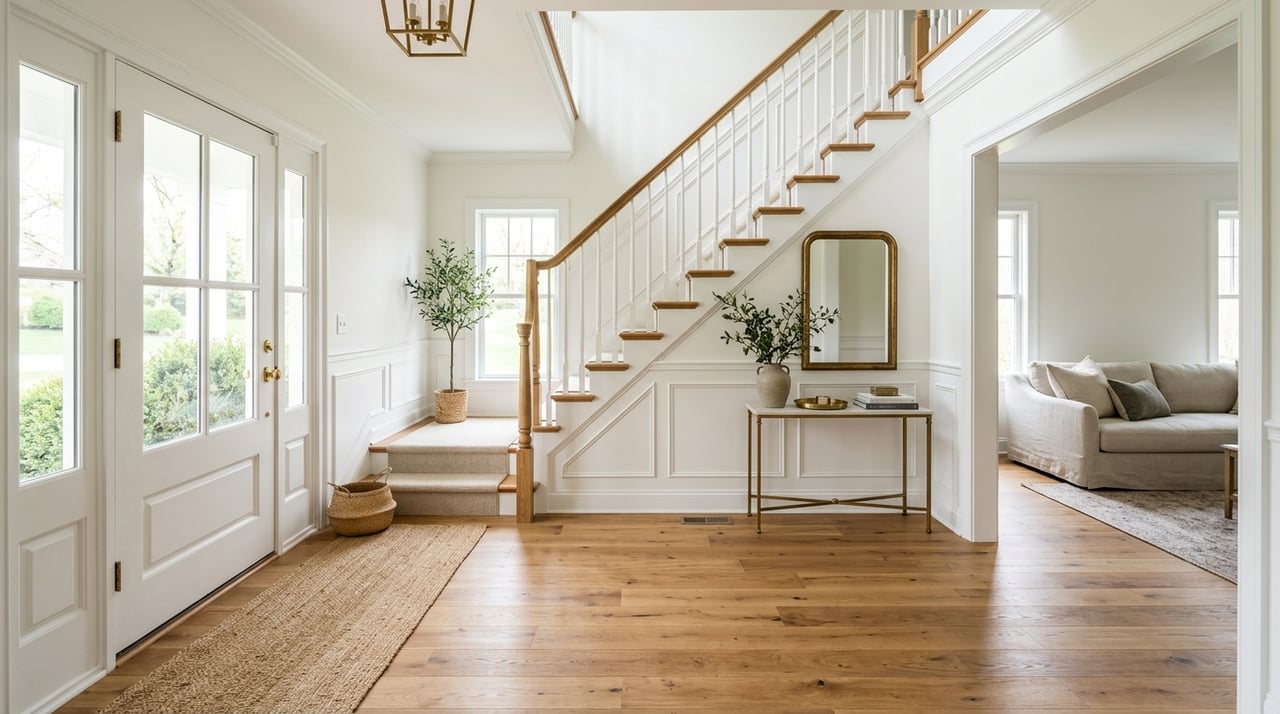
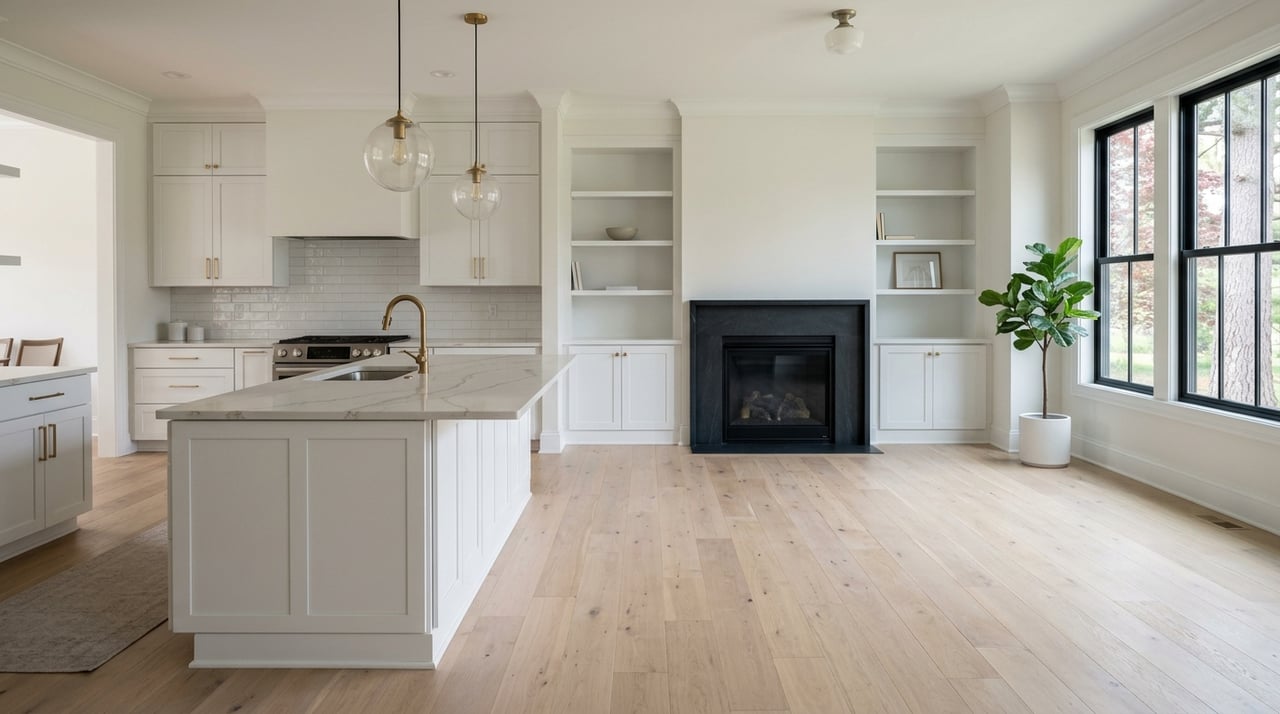
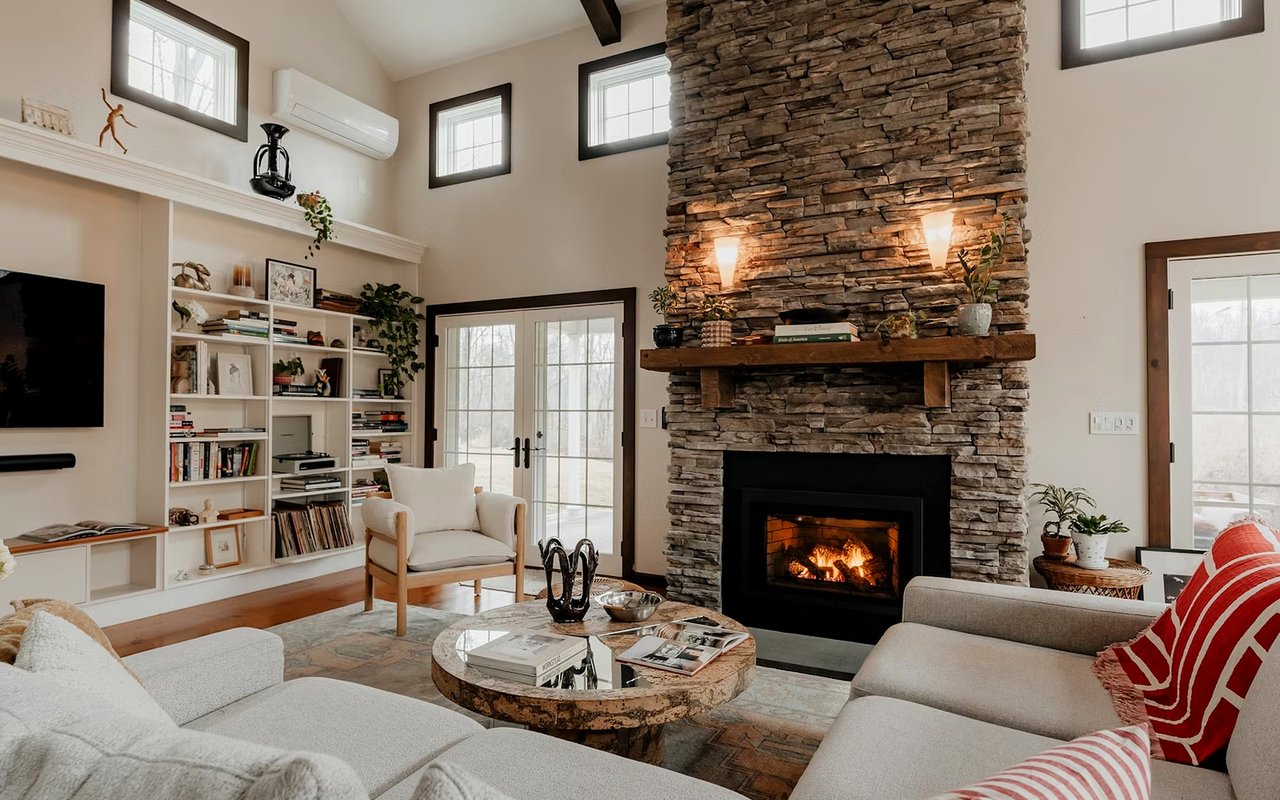
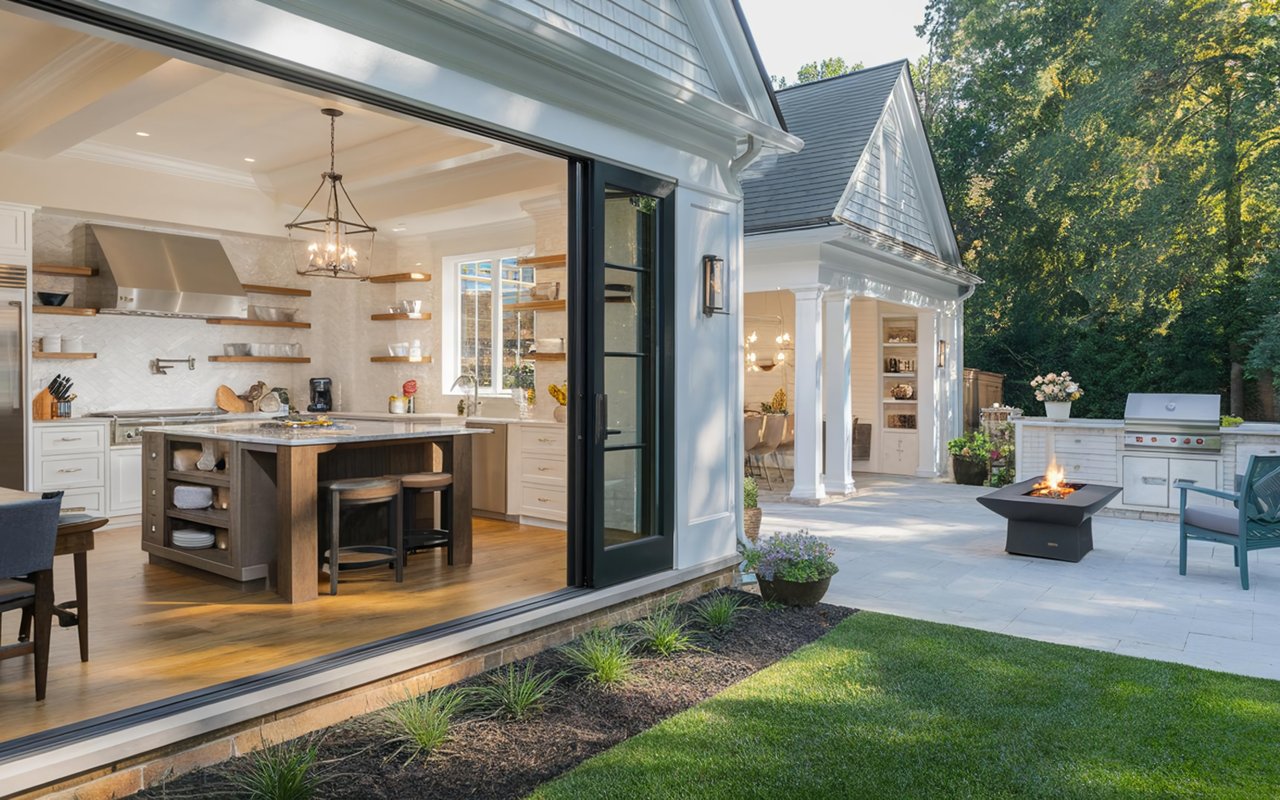
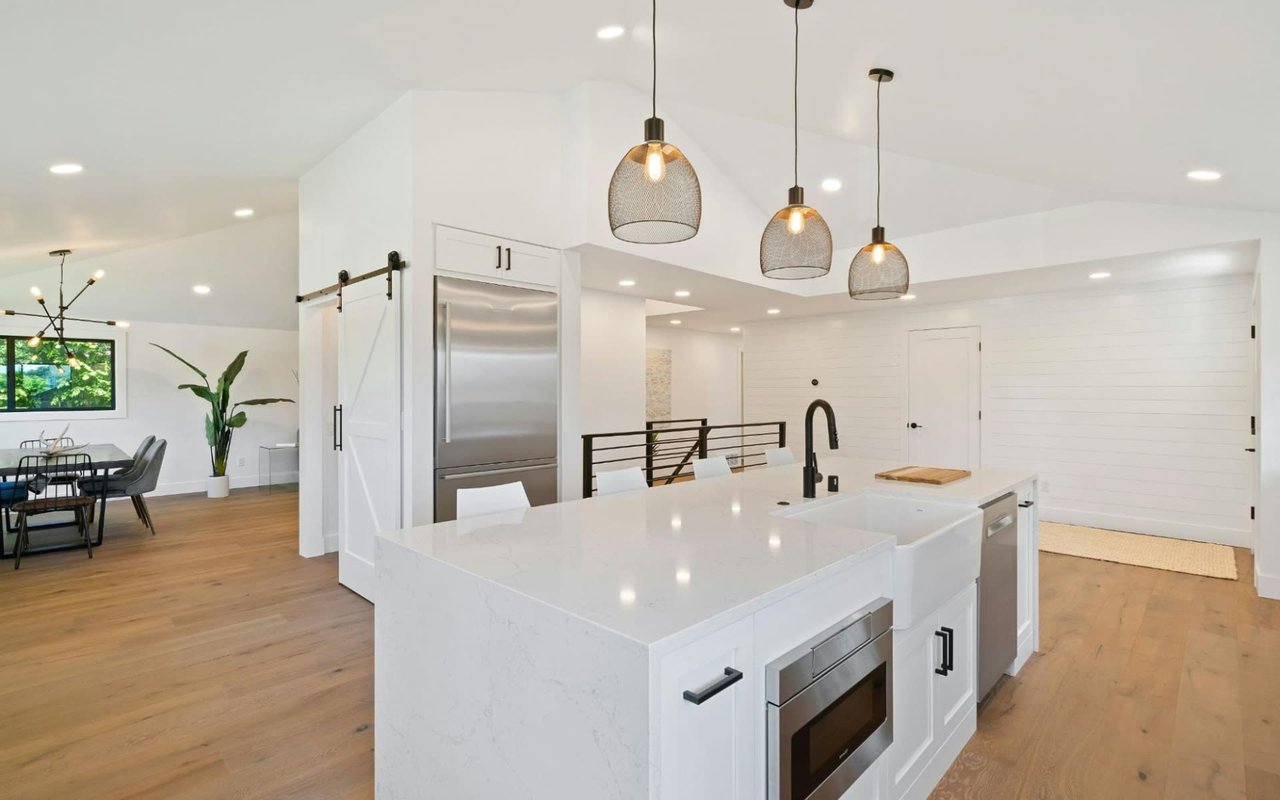
Many buyers looking for newer construction are also searching for features that support modern living. Current listing language for newer homes in Middleton often highlights open layouts, first-floor primary suites, first-floor laundry, chef’s kitchens, garage parking, maintenance-free exteriors, home warranties, and energy-conscious mechanical systems. These features are common in listing descriptions, but they are not a formal townwide profile.
Where Newer Homes Tend to Be Found
Larger-Lot Residential Areas
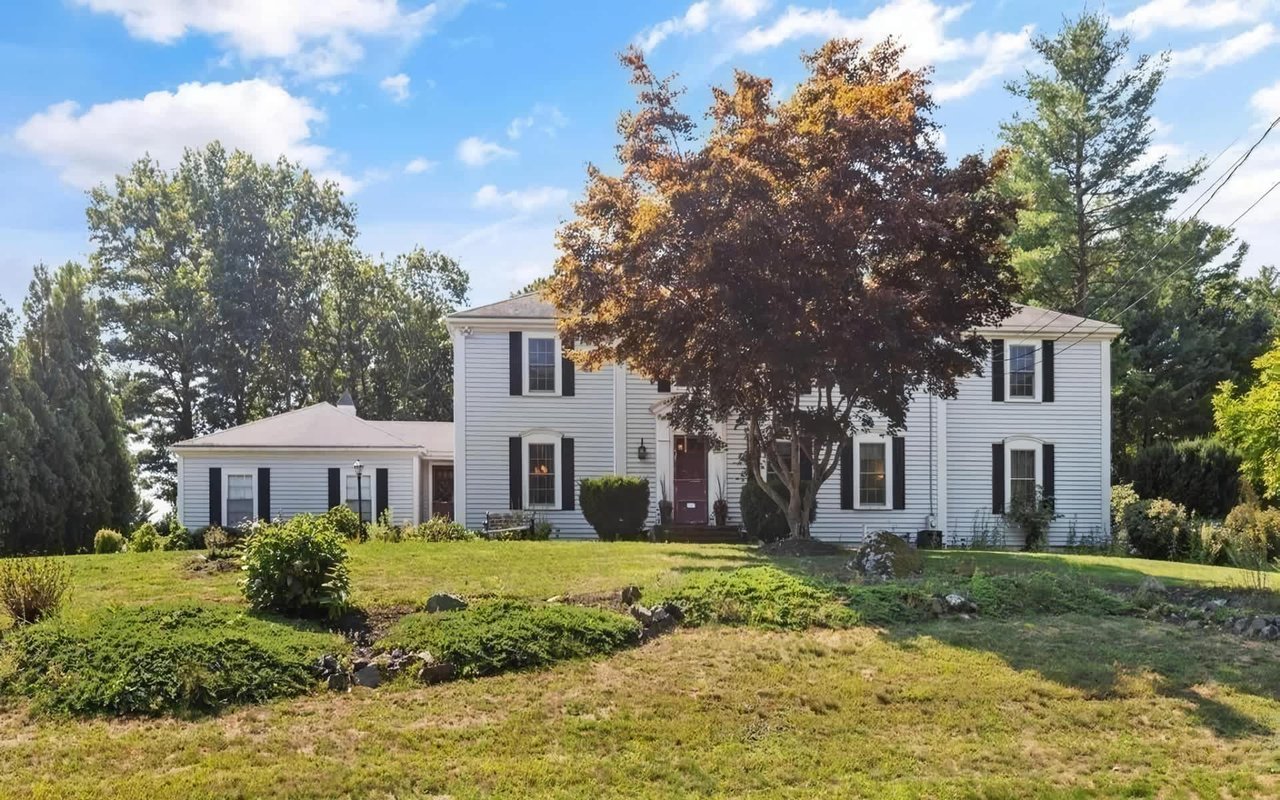
Middleton’s housing plan suggests that estate-style homes are most likely to be found in the town’s larger-lot districts. Zoning materials describe minimum lot areas of 20,000 square feet in R-1a, 40,000 square feet in R-1b, and 2 acres in RA.
In practical terms, that points many buyers toward RA and larger R-1b parcels when searching for estate-style properties. R-1b is the town’s largest residential district, covering about 43% of land area, while RA occupies about 18% of land area in the northern part of town.
Central Areas With Older Housing
If you are drawn to the center of town, it helps to understand the housing mix there. The housing plan says the R-1a and R-2 areas are concentrated near Maple Street and Main Street, extend west toward North Reading and south below Boston Street, and contain mostly smaller lots with older housing.
That does not mean you will never find an updated or newer-feeling property in these areas. It does mean that if your priority is newer construction or an estate-style setting, the central parts of Middleton are generally less likely to be where the largest concentration appears.
Subdivision and Redevelopment Pockets
Town records show that newer housing in Middleton has appeared in more than one form. A 55-lot subdivision was reviewed at the former JCC Camp Simcha site off East Street near the Ipswich River, and lower-maintenance attached or multifamily proposals have also been discussed in the Interstate Highway Business area, including condos along Callaway Drive and the 35 Village Road/Ferncroft project.
This is an important distinction. Middleton’s newer-home market does not appear to be centered around one master-planned village. Instead, newer inventory is scattered across subdivision tracts and redevelopment locations, which can make local guidance especially valuable during your search.
Estate Homes vs. Low-Maintenance Options
Not every buyer shopping for a newer home wants the same lifestyle. In Middleton, the newer-home segment appears to split between larger-lot single-family homes and smaller-footprint attached or multifamily options.
If you want more land, more privacy, and room for outdoor living, estate-style properties are more likely to line up with your goals. These homes are generally associated with larger RA parcels and more spacious R-1b lots.
If you prefer less exterior upkeep, attached or lower-maintenance options may be worth watching. Town records suggest some of that product has been tied to redevelopment or multifamily proposals rather than traditional single-family neighborhoods.
A simple way to frame your search is to decide which of these paths fits your lifestyle best:
- Estate-style homes for larger lots, more separation, and a traditional single-family setting
- Newer subdivision homes for more modern layouts and a neighborhood development pattern
- Attached or multifamily options for lower-maintenance living and a smaller exterior footprint
What Buyers Should Check Before Making an Offer
Home Inspection Rights in Massachusetts
Massachusetts now requires a written home-inspection disclosure before or at the first purchase contract. The state also says sellers and agents generally cannot condition acceptance of an offer on waiving home inspection rights, except in limited cases.
One important exception can apply to pre-completion sales of newly constructed homes. If construction is not yet substantially complete and the seller provides a one-year written warranty, the process may be handled differently under state rules.
Municipal Inspections Are Not the Same
It is easy to assume that a newly built home has already been fully vetted because it passed local inspections. That is not the same as a private home inspection for a buyer.
Massachusetts describes the standard home inspection as visual and limited in scope. The state also recommends that buyers consider additional testing, such as radon, water quality, termites, mold, and other hidden issues, and notes that attending the inspection in person can be helpful.
New Construction Inspection Timeline
If you are buying a home that is still being built, it helps to understand the local process. Middleton requires building permits before work starts, and inspections are scheduled through the permit holder.
The town’s progress-inspection sequence for new construction includes:
- Excavation
- Footings
- Foundation
- Rough trades
- Insulation
- Final inspections
- Certificate of Occupancy sign-off before occupancy
For buyers, this timeline matters because it can affect closing expectations, occupancy timing, and the questions you ask a builder or seller.
Budgeting for Larger Lots and New Builds
A beautiful newer home on a large lot can come with added planning and carrying costs. That is especially true if the home is still under construction, part of a larger project, or located on a site with infrastructure considerations.
One example is stormwater review. Middleton’s stormwater bylaw says projects that create 600 square feet or more of new impervious surface require stormwater permitting, which can affect design, timing, and cost.
On larger-lot homes, you will also want to confirm whether the property is served by septic or well systems. Middleton’s new-resident information directs homeowners with septic questions to the Board of Health, so buyers should be prepared to ask about system status, testing, maintenance, and any added ownership costs.
ADUs and Future Flexibility
If you are planning ahead for multigenerational living, guest space, or long-term flexibility, accessory dwelling units may be part of your decision. Middleton allows ADUs by right in all residential districts.
That said, the town requires site plan approval before a building permit is issued for a new or converted ADU. For buyers considering in-law space or future adaptability, that is a detail worth reviewing early.
A Smart Way to Search in Middleton
Because Middleton’s newer-home inventory is a smaller slice of the market, a focused strategy can save you time. Instead of searching only by neighborhood name, it often helps to search by home age, lot size, housing type, and whether the property is part of a subdivision or redevelopment pocket.
It also helps to keep an open mind about what “newer” means for your goals. For one buyer, that may mean true new construction. For another, it may mean a home built after 2000 with updated systems, more modern floor plans, and less near-term maintenance.
One more note: the Planning Board says Middleton is completing a comprehensive technical audit and update of its zoning bylaw. Because of that, dimensional and zoning standards should always be re-checked during your home search and before making decisions based on a property’s future use.
If you are weighing newer homes, larger parcels, or lower-maintenance options in Middleton, the right guidance can make the search feel much more manageable. For thoughtful local support with new construction, relocation, and move-up buying across the North Shore, connect with Evelyn Rockas.
FAQs
Where are newer homes most often found in Middleton, MA?
- Newer homes in Middleton are generally found in larger-lot residential areas, subdivision pockets, and some redevelopment sites rather than in one single master-planned neighborhood.
What areas of Middleton are more likely to have estate-style homes?
- Estate-style homes are most likely to be associated with larger parcels in the RA district and on bigger lots in the R-1b district.
Are most homes in Middleton newer construction?
- No. Housing MA data shows about 23.77% of Middleton housing units were built in 2000 or later, so newer homes are a meaningful part of the market but not the majority.
What should buyers know about home inspections for newer homes in Massachusetts?
- Massachusetts requires a written home-inspection disclosure before or at the first purchase contract, and buyers should remember that municipal inspections and private home inspections serve different purposes.
Do larger-lot homes in Middleton require extra due diligence?
- Yes. Buyers should confirm details such as septic or well status, possible stormwater permitting issues, and any project-specific approvals that could affect cost or timing.
Can you add an ADU to a home in Middleton?
- Middleton allows ADUs by right in all residential districts, but site plan approval is required before getting a building permit for a new or converted ADU.