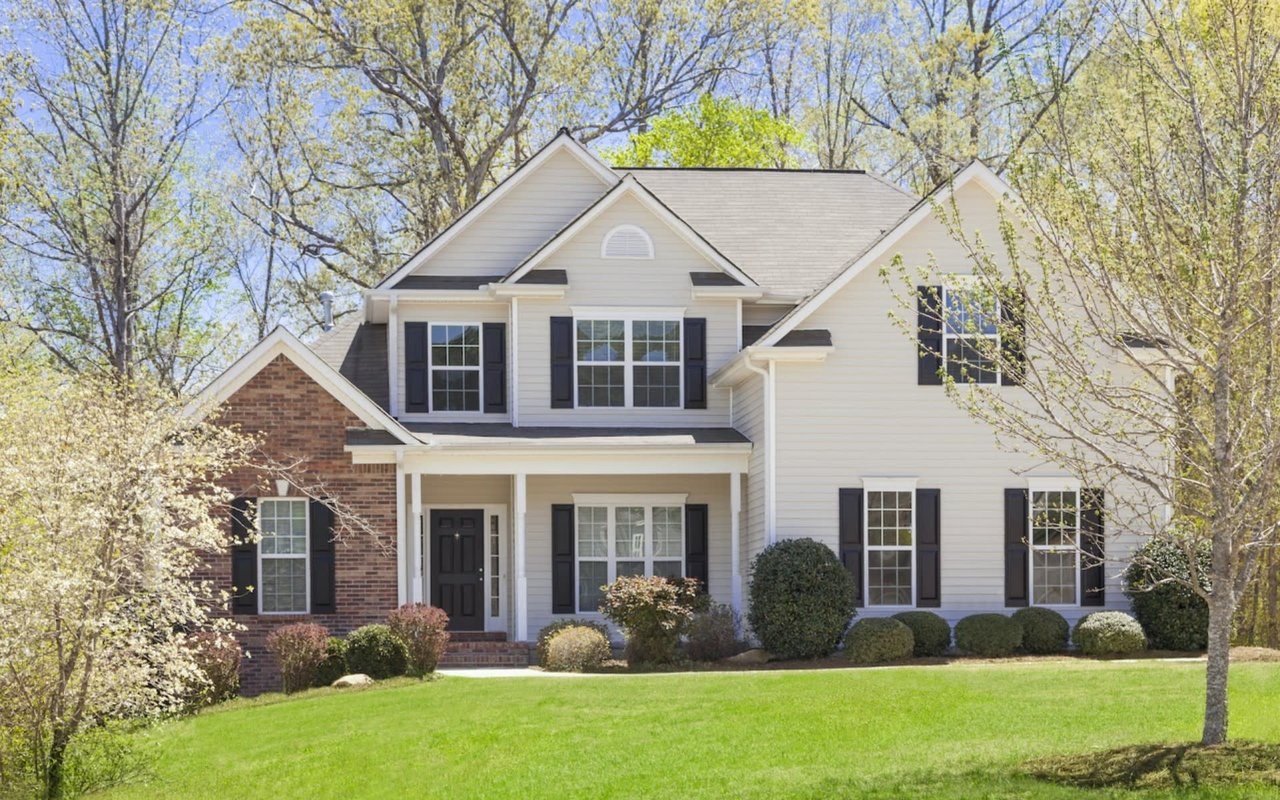
If you are deciding between Lynnfield and a nearby suburb, you are probably balancing more than just price. You are thinking about your commute, the kind of daily routine you want, and whether you prefer a quieter residential setting or a town with more activity close by. The good news is that each nearby option offers a different mix of lifestyle, access, and value, and understanding those tradeoffs can make your decision much clearer. Let’s dive in.
Start With Your Daily Routine
The best town for you is not always the one with the highest price point or the most amenities. It is usually the one that fits the way you actually live day to day.
As you compare Lynnfield with nearby towns, focus on three core questions: How important is commuter rail access? Do you want a more residential feel or a more active town center? And how much does your budget shape the search? Those answers will usually point you in the right direction.
Why Lynnfield Stands Out
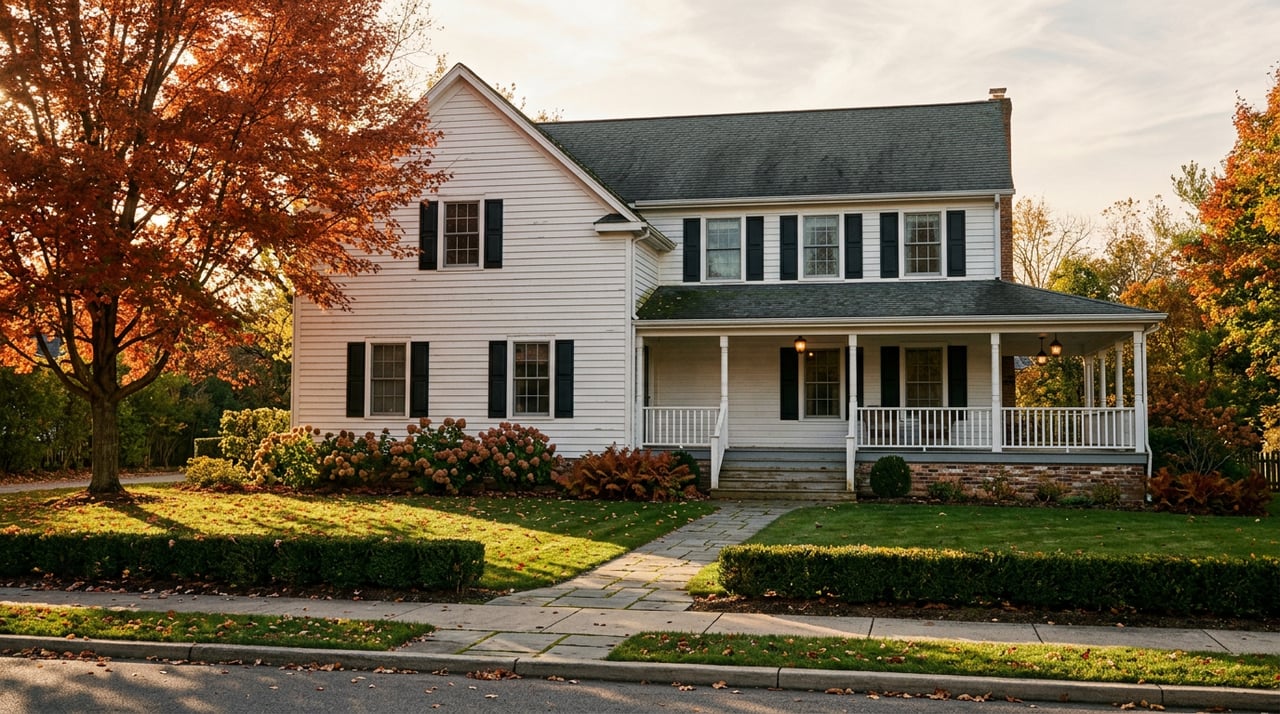
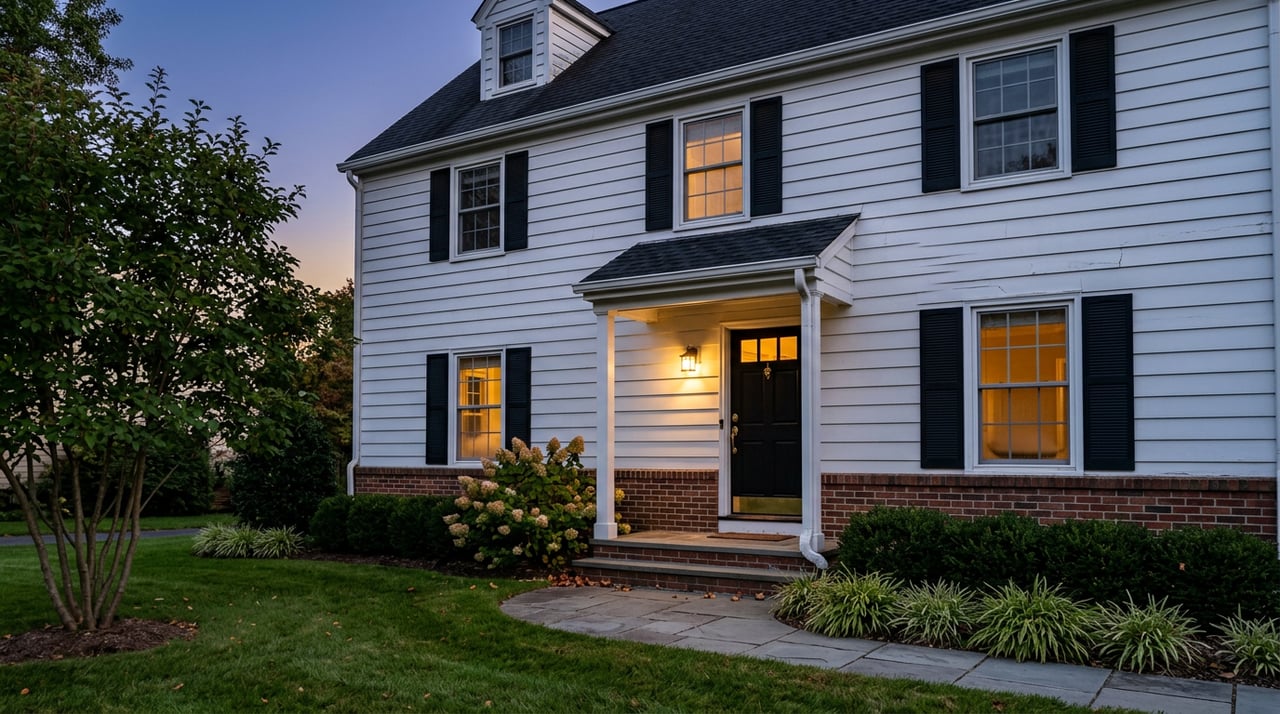
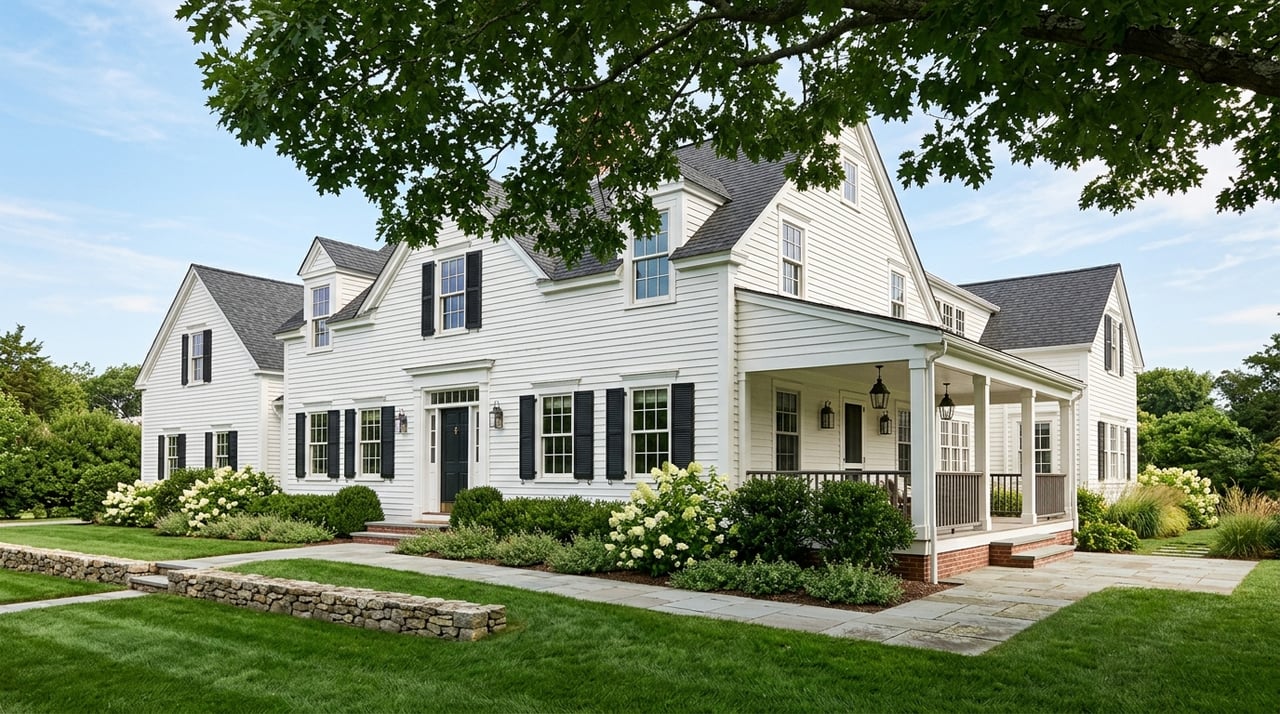
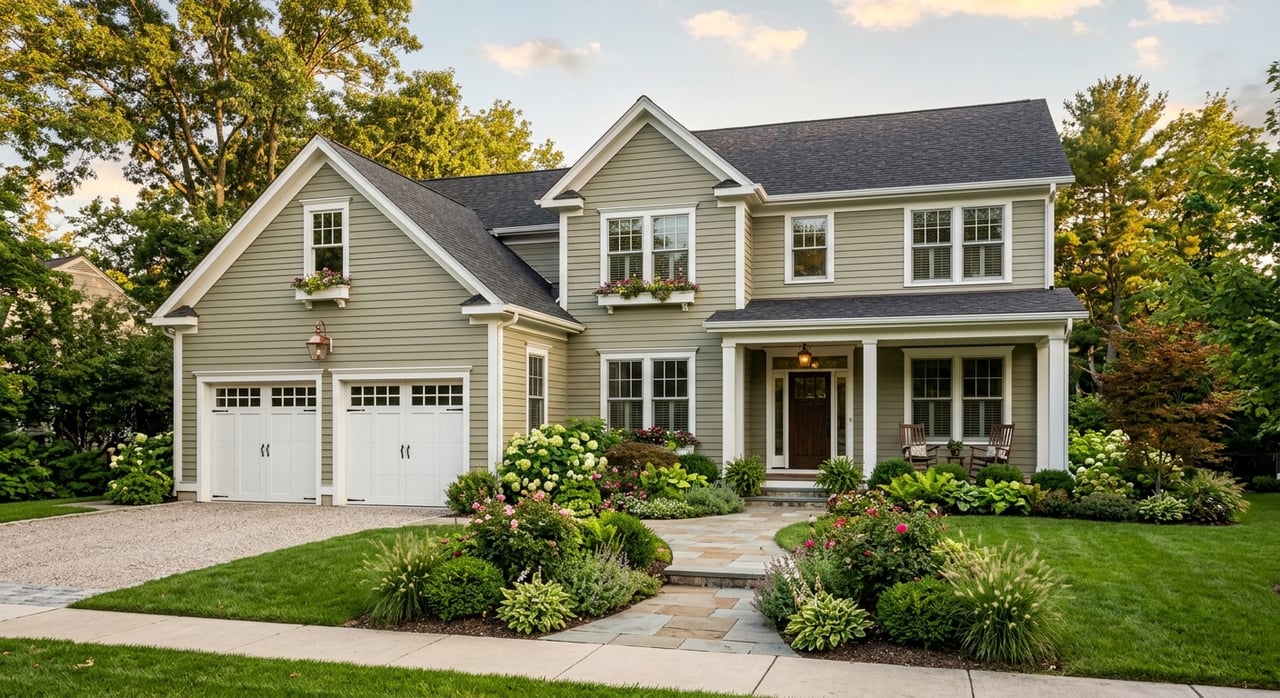
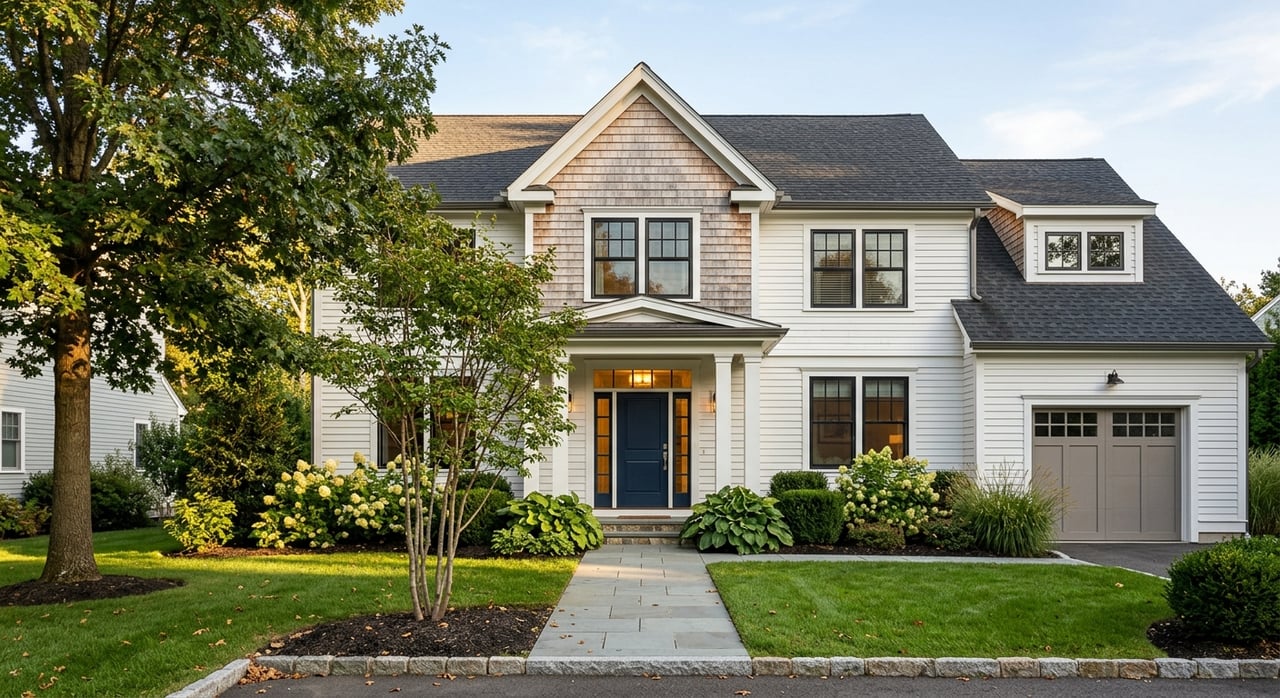
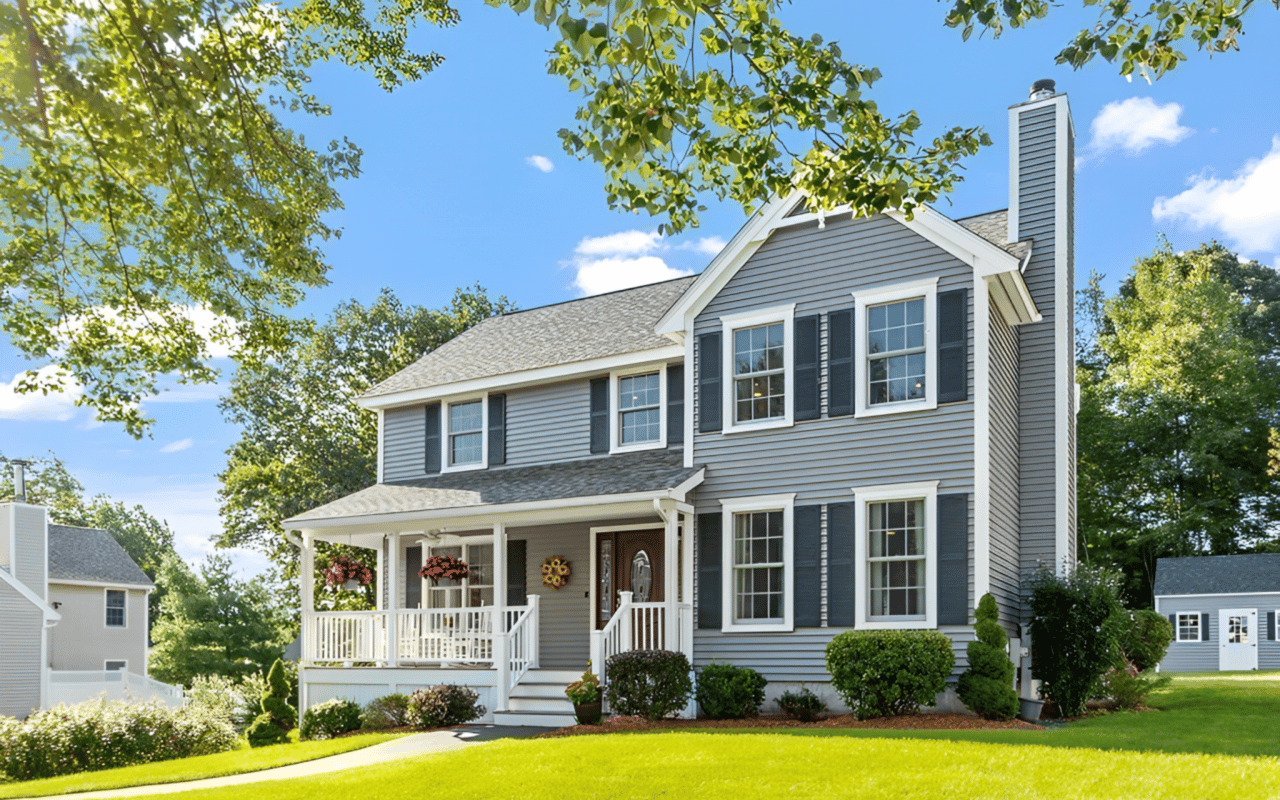
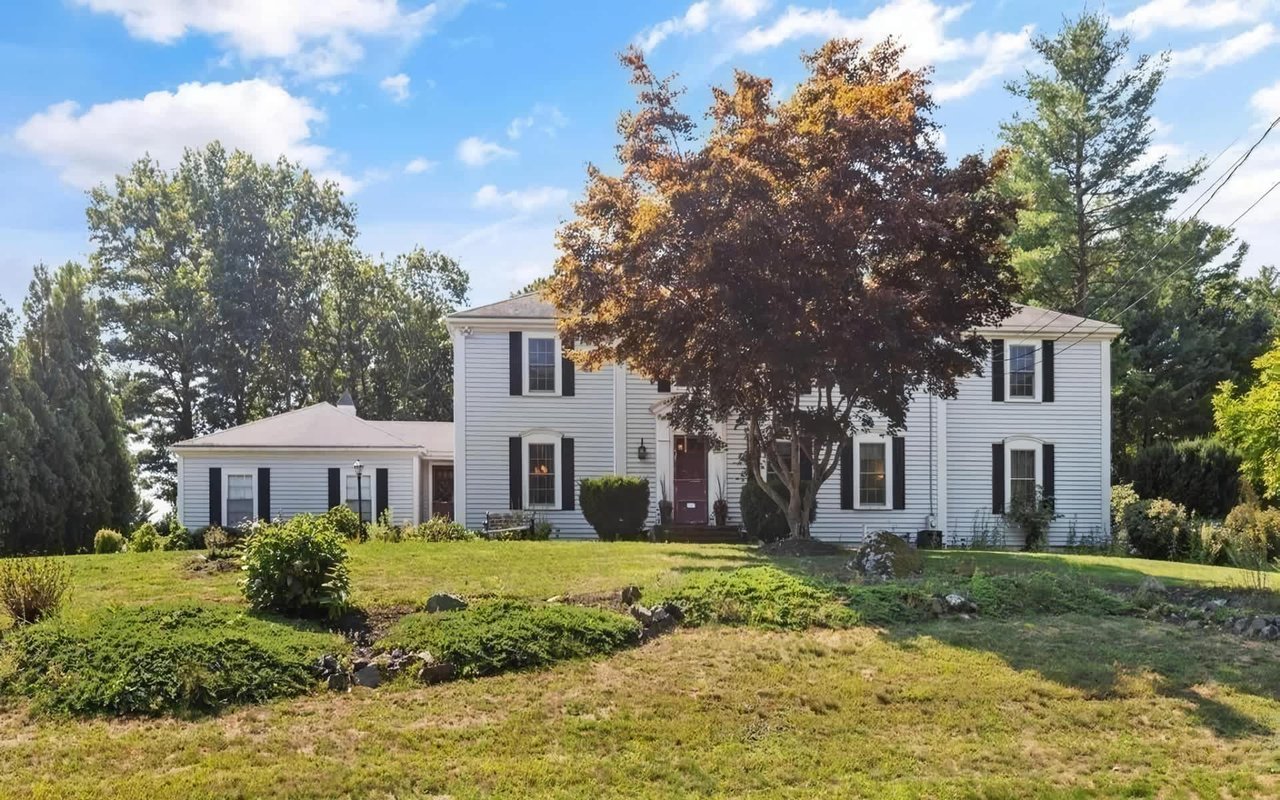
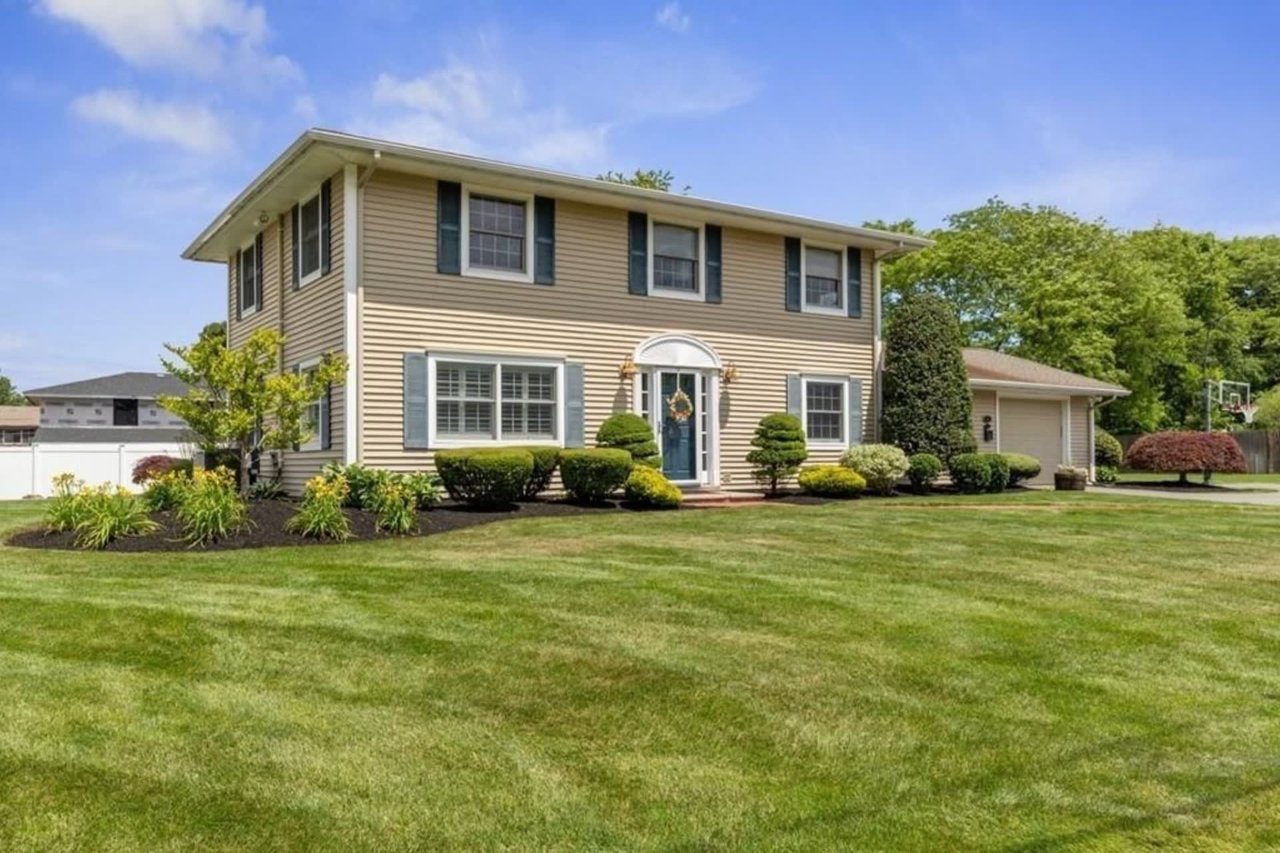
Lynnfield is often the benchmark for buyers who want a quieter, more residential setting on the North Shore. According to the town, Lynnfield is a traditional New England residential community known for its semi-rural feel, country charm, and tree-lined streets. It also has a high owner-occupied housing rate of 87.3% and a median owner-occupied home value of $917,600, based on U.S. Census QuickFacts for Lynnfield.
Lifestyle is a big part of Lynnfield’s appeal. Town planning materials highlight places like Reedy Meadow, Bow Ridge, Pillings Pond, and other conservation areas, along with the planned rail-trail connection linking open space, schools, Town Hall, the library, and the commercial center. The town’s newer mixed-use hub, MarketStreet and other community features described by Lynnfield, add shopping, dining, office space, and apartments to an otherwise largely residential setting.
There are also practical tradeoffs to know. Lynnfield is crossed by Route 1 and I-95/128, but the town notes that it is not served by MBTA rail or broad public transit service. The same town materials also explain that most residents rely on private cars and that most properties use septic systems rather than public sewer.
Compare Lynnfield by Priority
When buyers compare Lynnfield with nearby towns, they are usually sorting by lifestyle, commute, and budget. Here is a simple side-by-side look at how the towns differ.
| Town | Median Owner-Occupied Home Value | Owner-Occupied Rate | Mean Commute | Best Fit |
|---|---|---|---|---|
| Lynnfield | $917,600 | 87.3% | 32.1 min | Quiet residential feel, open space, premium suburb |
| Wakefield | $723,500 | 70.7% | 33.2 min | Rail access, stronger town center, mixed-use lifestyle |
| Reading | $741,100 | 82.4% | 30.9 min | Walkable downtown and commuter rail access |
| North Reading | $710,500 | 84.3% | 33.6 min | Residential feel with limited transit convenience |
| Danvers | $644,200 | 69.2% | 28.4 min | Retail, recreation, and lower entry price |
| Peabody | $596,200 | 65.6% | 25.8 min | More urbanized setting and mixed-use activity |
| Saugus | $603,400 | 71.5% | 29.6 min | Highway access and Route 1 retail convenience |
Choose Lynnfield If You Want Space and Privacy
If your top priority is a more private, open-space-oriented suburb, Lynnfield may rise to the top of your list. It stands out in this comparison set for its higher home values, high owner-occupancy, and its more residential identity.
This choice often works well if you are comfortable with a car-centered routine and you do not need rail service built into your weekly commute. It can also be a strong match if you like the idea of a quieter environment and do not mind the added upkeep that can come with septic systems.
Choose Reading If Transit Matters Most
If commuter rail is high on your list, Reading is one of the clearest alternatives to Lynnfield. The town highlights its commuter rail connection to Boston’s North Station, along with access to I-93 and I-95/Route 128. Reading also promotes a walkable Downtown Smart Growth District near the train station, designed to support shopping, arts and culture, and events.
Reading can be a smart fit if you want a suburban setting but also want to leave the car at home more often. With a median owner-occupied home value of $741,100 and an owner-occupied rate of 82.4%, it offers a different balance than Lynnfield without giving up a strong residential character.
Choose Wakefield for a More Active Center
Wakefield is another strong option if you want commuter rail access and a more active community core. The town describes itself as a scenic community with restaurants, lakes, parks, and an arts and cultural scene, while also noting access to both I-93 and I-95/128 and commuter rail to Boston. Its community planning goals in Wakefield also emphasize safer walking and biking, stronger business districts, and reduced car dependency.
Compared with Lynnfield, Wakefield may appeal more if you want a livelier town-center experience. Its median owner-occupied home value is $723,500, which places it below Lynnfield, while its owner-occupied rate of 70.7% suggests a somewhat more mixed housing profile.
Choose North Reading for a Similar Feel
North Reading can make sense if you like Lynnfield’s residential character but want to explore another quieter suburban option. The town says there is no MBTA service within its borders, though it is near commuter rail stations in Wilmington, Reading, and Andover. North Reading also notes on its MBTA Communities information that some higher-density housing options are being considered in select areas, even while the town remains largely car-oriented.
For many buyers, North Reading sits in the middle of this comparison. It keeps a more residential feel, has a relatively high owner-occupied rate of 84.3%, and comes in below Lynnfield on median owner-occupied value at $710,500.
Choose Danvers, Peabody, or Saugus for Value
If budget, convenience, or access to commercial areas matters more than preserving a Lynnfield-style setting, Danvers, Peabody, and Saugus deserve a close look. These towns tend to offer lower median home values and more corridor-driven retail and dining activity.
Danvers offers a blend of major route access, downtown amenities, and recreation. The town highlights commercial activity along Routes 1, 114, 128, and I-95, as well as downtown dining and shopping, Endicott Park, and a 4.3-mile rail trail in Danvers that links schools, downtown, parks, and neighborhoods. Its median owner-occupied home value is $644,200.
Peabody is the most urbanized option in this group. City materials describe a vibrant mixed-use downtown near Main Street, and the city also emphasizes Route 1 and Route 128 development. Its median owner-occupied home value is $596,200, according to Census QuickFacts cited in the research.
Saugus is often a fit for buyers who want strong highway access and everyday retail convenience. The town says it sits at the crossroads of Route 1 and I-95 and supports office, retail, restaurant, and mixed-use growth along the Route 1 corridor, while also noting there is no rail transit in town. Its median owner-occupied home value is $603,400.
A Simple Checklist for Choosing
If you are still torn between Lynnfield and nearby suburbs, use this quick checklist to narrow your search:
- Pick Lynnfield if you want a premium, quieter residential setting with open space and are comfortable relying on a car.
- Pick Reading if commuter rail and a walkable downtown are high priorities.
- Pick Wakefield if you want rail access plus a more active town center.
- Pick North Reading if you want a quieter suburban feel similar to Lynnfield with a lower price point.
- Pick Danvers, Peabody, or Saugus if you want lower median home values, easier access to major commercial corridors, or shorter average commutes.
The Best Choice Is Personal
There is no one-size-fits-all answer in this part of the North Shore. Lynnfield sits near the top of the market for buyers who value privacy, open space, and a more residential atmosphere, while nearby towns offer different strengths around transit, walkability, and price.
The key is to match the town to your real life, not just your wish list. If you want help comparing Lynnfield with nearby communities and finding the right fit for your next move, connect with Evelyn Rockas for thoughtful local guidance tailored to your goals.
FAQs
How does Lynnfield compare with Reading for homebuyers?
- Lynnfield offers a quieter, more residential and open-space-oriented setting, while Reading stands out for commuter rail access, a walkable downtown, and a somewhat lower median owner-occupied home value.
How does Lynnfield compare with Wakefield for commuters?
- Lynnfield relies more heavily on car travel, while Wakefield offers commuter rail access to Boston along with a more active town-center environment.
Is North Reading similar to Lynnfield for buyers seeking a residential feel?
- Yes, North Reading is one of the closer alternatives if you want a quieter suburban setting, though it also lacks MBTA service within town limits.
Which nearby towns offer lower home values than Lynnfield?
- Based on the research, Wakefield, Reading, North Reading, Danvers, Peabody, and Saugus all have lower median owner-occupied home values than Lynnfield.
What should you consider before choosing Lynnfield over nearby suburbs?
- You should weigh how important commuter rail is, whether you prefer a town-center feel or a quieter residential setting, how comfortable you are with car-dependent living, and whether features like septic systems affect your decision.