Thinking about buying a home in Salem while you still live somewhere else? You are not alone, and you do not have to make big decisions based on guesswork. With the right local strategy, strong digital tools, and a clear understanding of Salem’s unique city layout, you can shop smart, protect your time, and move forward with confidence. Let’s dive in.
Why Salem Needs a Smarter Remote Plan
Buying from afar in Salem is not just about finding a home you like online. It is also about understanding the layers behind each address, including zoning, historic district rules, street context, and in some cases coastal flood exposure.
Salem is best understood through overlapping areas rather than one simple neighborhood label. The city recognizes four local historic districts, including McIntire, Derby Street, Lafayette Street, and Washington Square, while also referencing places like Downtown Salem, Derby Street, Highland Avenue, North River Canal, and El Punto/Junto in its planning materials. That means two homes that seem close together online may come with very different considerations.
For remote buyers, this matters early. If you only rely on listing photos and broad neighborhood names, you can miss details that affect renovation plans, daily convenience, or long-term comfort.
Start With Salem’s Official Map Tools
One of the best ways to buy with confidence from afar is to build your search around official city information. Salem’s public GIS and planning resources can help you evaluate a home long before you book a trip.
The city’s GIS portal includes zoning maps, tax maps, ward and precinct maps, roadway surface ratings, and a coastal overlay viewer. Salem says its C-ROD coastal overlay was adopted in 2024, and the viewer shows projected 2070 sea-level-rise base flood elevations. If you are considering a waterfront or lower-lying property, flood exposure and elevation should be part of your first review, not your last.
You can also use Salem’s walking maps to get a better feel for how an area connects. Since Salem is served by MBTA commuter rail on the Newburyport/Rockport Line, MBTA bus service, seasonal ferry service, Salem Skipper on-demand rideshare, taxis and rideshare apps, and neighborhood walking routes, commute access and day-to-day mobility are important parts of the buying decision.
What to review before you visit
Before you spend time and money on travel, it helps to compare each property using a simple research checklist:
- Zoning designation
- Historic district status
- Coastal or flood-related overlays
- Street layout and walkability context
- Parking setup and commute options
- Tax assessment information
- Nearby planning areas that may affect future context
This kind of front-end research can help you narrow the field faster and avoid visiting homes that do not fit your goals.
Understand Salem Pricing From a Distance
Remote buyers often see conflicting numbers online, which can make it harder to judge value. In Salem, it helps to compare sale trends and listing trends without treating them as the same thing.
Redfin reported a March 2026 median sale price of $582,500 in Salem, down 7.6% year over year. Homes were taking about 38 days on market and receiving about three offers on average, while the city was still described as very competitive.
That same month, the statewide median sale price in Massachusetts was $645,300. In that snapshot, Salem came in below the state median, which may be useful if you are comparing communities across the region.
Realtor.com reported a ZIP-level median listing price of $569,000 for 01970, with 67 properties for sale. It also reported neighborhood-level median listing prices of $659,000 in North Salem, $525,000 in South Salem, $520,000 in Salem Neck, and $497,000 in Downtown Salem.
Why these numbers matter
Listing price tells you how sellers are positioning homes. Sale price tells you what buyers have actually paid. When you are relocating from afar, both are helpful, but they answer different questions.
A smart remote strategy looks at both. This gives you a more grounded view of what might be priced to attract attention, what may need stronger competition, and where your budget may stretch further.
Look Beyond the Listing Photos
A polished online listing is helpful, but it should be the starting point, not the whole story. In Salem, remote buyers benefit from a two-pass virtual showing process.
The first pass should focus on layout, flow, and overall condition. This is where you decide whether the home matches your basic needs and style.
The second pass should be more practical and specific. Ask for a closer look at natural light, window placement, street noise, parking, stair layout, basement condition, storage, and exterior surroundings. If the home may fall within a historic district or coastal overlay, confirm that too.
Questions to ask during a virtual tour
- How does the street feel during the day?
- Where do you park, and how easy is it?
- How much natural light do the main rooms get?
- Are there steep stairs or tricky entry points?
- What does the basement look and feel like?
- Are there signs of moisture or deferred maintenance?
- Is the property in a local historic district?
- Does the lot appear affected by low elevation or flood concerns?
When you cannot be there in person right away, clear questions help turn a virtual tour into a real decision-making tool.
Check Historic District Rules Early
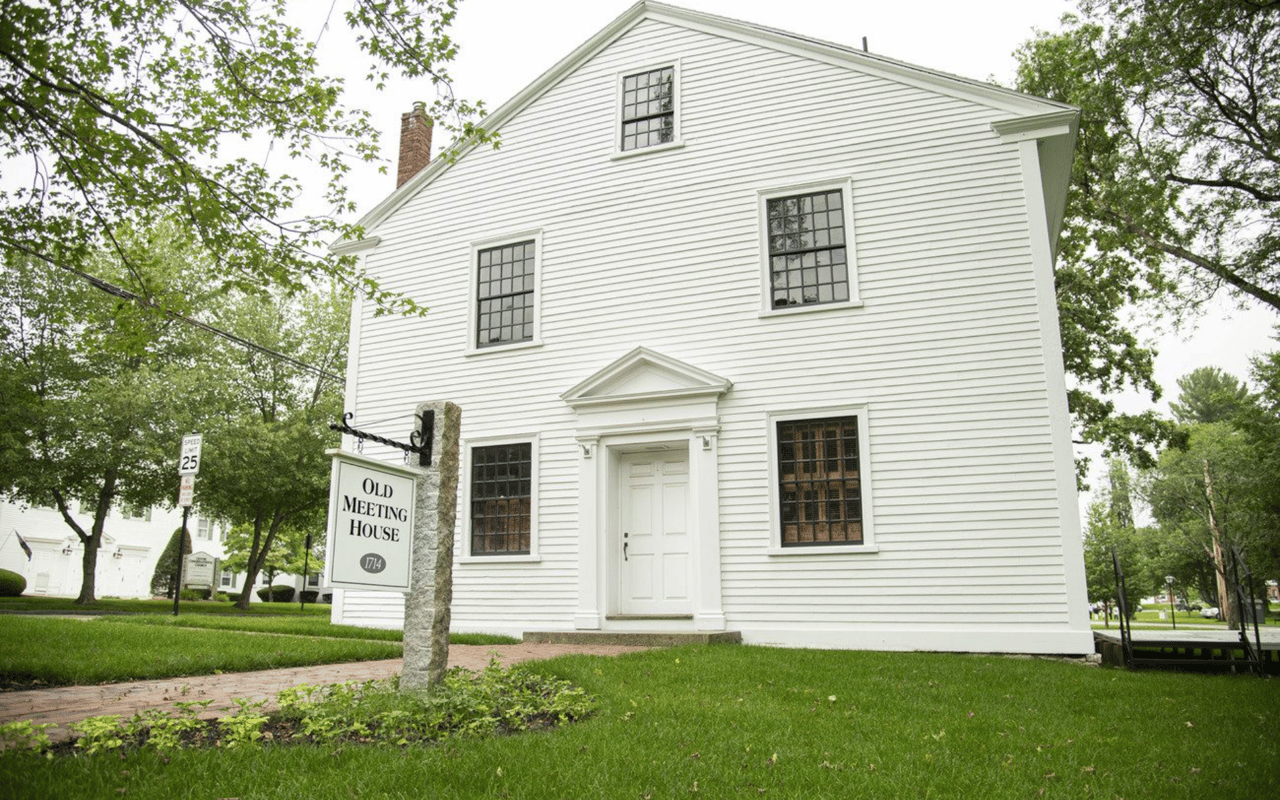
Salem’s historic character is part of what draws many buyers in. It can also shape what you can change later.
The Salem Historical Commission reviews work in the city’s four local historic districts. If you are considering exterior updates such as windows, siding, porches, additions, or demolition-related work, you should confirm whether the property is inside one of those districts before assuming your renovation plans will be straightforward.
This is especially important for buyers relocating from areas where exterior changes are handled differently. A home may be a great fit, but you want to understand the rules before you commit.
Review Property Records Before You Travel
Another major advantage for out-of-area buyers is that Massachusetts property records can often be reviewed online. The state says owners can access deeds and property record cards online, and Salem directs buyers to the Southern Essex District Registry of Deeds in Salem.
Many deeds recorded in the last 20 years can be found on the registry website, and Massachusetts land records can be searched by name, address, or book and page. For remote buyers, that means you can start verifying ownership history and available public record details without waiting for an in-person visit.
You can also review Salem’s assessor information as part of your budgeting process. The city says the FY2026 residential tax rate is $10.78 per $1,000 of assessed value, assessments are based on full and fair cash value as of January 1 each year, the city revalues annually, and bills are issued quarterly.
Protect Your Inspection Rights
If you are buying from afar, you may worry about losing out if you ask too many questions. In Massachusetts, buyers have meaningful inspection protections that are especially important in a competitive market.
The state says sellers or agents must provide a separate written disclosure before the first purchase contract affirming your right to a home inspection. The state also says sellers or agents may not require or encourage you to waive that right as a condition of acceptance.
That is a valuable safeguard when you are making decisions remotely. Massachusetts also licenses home inspectors, which adds another layer of structure to the process.
Special items to check
Some homes need extra due diligence depending on age and systems. A few examples include:
- Septic systems: Massachusetts DEP says an inspection is generally required within 2 years before sale, or within 6 months after sale if weather prevents a pre-sale inspection
- Older homes: If the home was built before 1978, state lead-paint transfer rules apply
- Alarm compliance: Before closing, Massachusetts requires a smoke and carbon monoxide alarm certificate of compliance from the local fire department for a home sale or transfer
These are not details you want to discover at the last minute, especially if you are coordinating a move across state lines or from another part of Massachusetts.
Know How Massachusetts Closings Work
One of the biggest surprises for out-of-state buyers is that Massachusetts closings are more attorney-driven than in some other states. The state says buyers should consult an attorney throughout the homebuying process and coordinate the closing date with the lender, seller, and attorneys.
Massachusetts law also requires an attorney to direct or manage the closing. So even if much of your home search happens by video, text, and email, the final closing process will still depend on attorney coordination.
It is also wise not to assume every part of closing can be handled fully online. Massachusetts law authorizes remote online notarization in statute, but the Secretary of the Commonwealth’s current guidance says the training and notification form are not yet available and notaries should not use remote online platforms at this time. In practice, some signing or notarization steps may still need to happen in person or through the closing attorney’s specific process.
A Simple Remote Buying Strategy for Salem
If you want to reduce stress and make better decisions, keep your process clear and repeatable. A strong remote plan usually looks like this:
- Define your budget, timeline, and must-haves
- Use Salem’s official maps to screen areas and properties
- Compare sale trends with listing trends
- Schedule detailed virtual tours for top contenders
- Verify historic district status, zoning, and coastal context
- Review available property records and tax information
- Keep inspection protections in place
- Prepare for an attorney-managed Massachusetts closing
This kind of structure helps you move forward with less uncertainty. It also makes your travel more productive when it is time to visit in person.
Confidence Comes From Good Local Guidance
Relocating to Salem from afar can feel like a lot at once, but it becomes much more manageable when your search is organized around local facts instead of assumptions. The goal is not just to find a home that looks good online. The goal is to understand how that home fits your daily life, your budget, and your long-term plans.
With remote tours, digital coordination, and careful local research, you can make smart decisions without rushing. If you are planning a move to Salem or anywhere along the North Shore, Evelyn Rockas can help you create a clear, confident path from your first virtual showing to closing day.
FAQs
How can remote buyers research Salem neighborhoods more accurately?
- Use Salem’s official GIS maps, walking maps, zoning tools, and historic district maps to compare properties at the block level rather than relying only on broad neighborhood labels.
What should buyers from afar know about Salem flood risk?
- Salem’s GIS portal includes a coastal overlay viewer with projected 2070 sea-level-rise base flood elevations, so buyers should check flood exposure and elevation early for waterfront or low-lying homes.
What is the current Salem MA housing market like for buyers?
- Recent data showed a March 2026 median sale price of $582,500, about 38 days on market, and roughly three offers per home on average, which suggests an active market that is still competitive.
What are Salem historic districts and why do they matter to buyers?
- Salem has four local historic districts, and the Historical Commission reviews certain exterior changes, so buyers should confirm district status before assuming renovation plans will be easy to complete.
Do Massachusetts homebuyers have the right to an inspection?
- Yes. Massachusetts requires a written disclosure affirming the buyer’s right to a home inspection before the first purchase contract, and sellers or agents may not require or encourage a buyer to waive that right as a condition of acceptance.
What should remote buyers expect at closing in Massachusetts?
- Massachusetts closings are attorney-managed by law, and buyers should be prepared for a process coordinated with the lender, seller, and attorneys, with some signing or notarization steps potentially handled in person depending on the closing setup.
What are Salem property taxes for homeowners?
- Salem says the FY2026 residential tax rate is $10.78 per $1,000 of assessed value, with annual revaluation and quarterly tax bills.