Wondering whether Beverly’s waterfront lifestyle is worth the trade-offs, or if an inland neighborhood might fit your daily life better? If you are weighing ocean views against yard space, boating access against wooded trails, or walkability against a quieter residential feel, you are asking the right questions. Beverly offers all of these options, but they show up differently depending on where you focus your search. Let’s break down how to decide.
Beverly Living at a Glance
Beverly is a coastal city on the North Shore in Essex County, about 25 miles northeast of Boston. City planning documents describe a pattern that includes a denser downtown and Ryal Side area, a middle band around Upper Cabot Street and Dodge Street, and lower-density areas like Centerville and Beverly Farms with more open space.
That matters because Beverly is not just one type of place. You can find harborfront areas tied closely to the city’s maritime history, village-like pockets near train stations, and inland sections with a more wooded and residential feel.
What Waterfront Living Feels Like
Waterfront-adjacent Beverly centers on the harborfront, Beverly Harbor, and the Danvers and Bass Rivers. This area includes parts of the historic maritime core, along with neighborhoods such as Goat Hill and Fish Flake Hill.
If you picture your free time around the water, this part of Beverly offers a lot to consider. Lynch Park is the city’s principal community park and includes beaches, ocean views, and a rose garden, while West Beach is the city’s largest beach and Obear Park adds beach access on the tidal Danvers River.
For boaters, Beverly has a real draw. The Harbormaster reports that nearly 1,000 recreational boaters use Beverly as a hailing port, supported by moorings, slips, fuel, haul-out, and pump-out facilities.
At the same time, waterfront living here is not as simple as having open shoreline everywhere. The city says much of Beverly’s coastline is privately owned or otherwise restricted, with limited public access and uneven parking and facilities outside downtown.
What Inland Living Feels Like
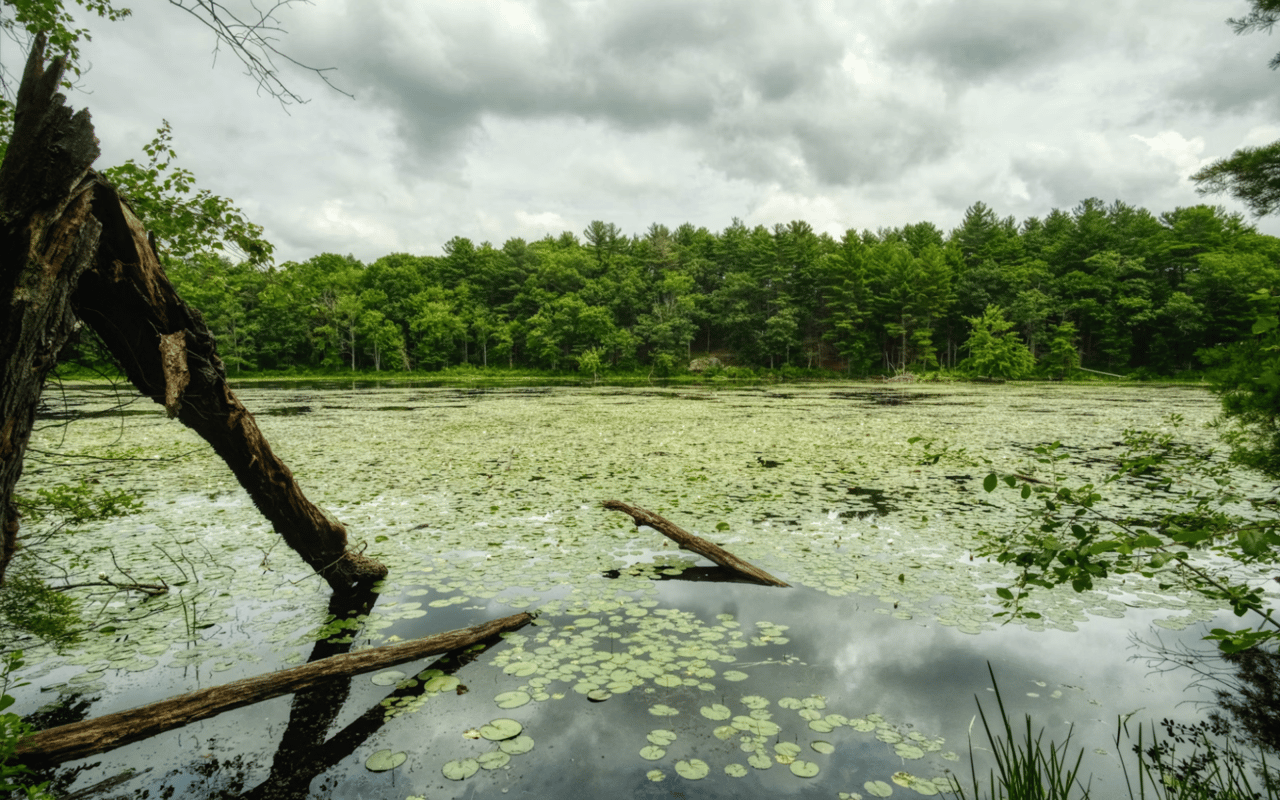
Inland Beverly often appeals to buyers who want a more wooded, lower-key setting. City planning and open-space documents point to North Beverly and interior parts of Centerville and Beverly Farms as areas where open space, ponds, and natural land are more noticeable.
North Beverly includes Norwood Pond, an 88-acre forest, and the city’s largest concentration of vernal pools. The John C. Phillips Nature Preserve also offers public walking paths through forested land to Wenham Lake.
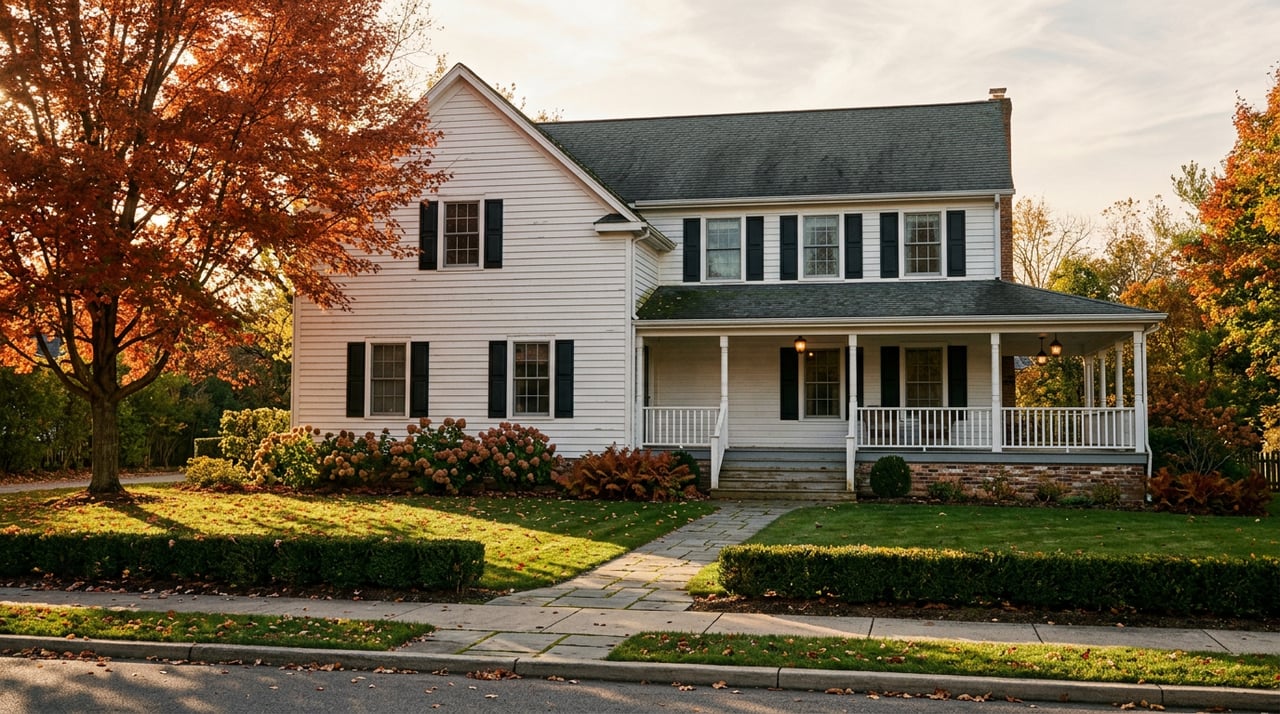
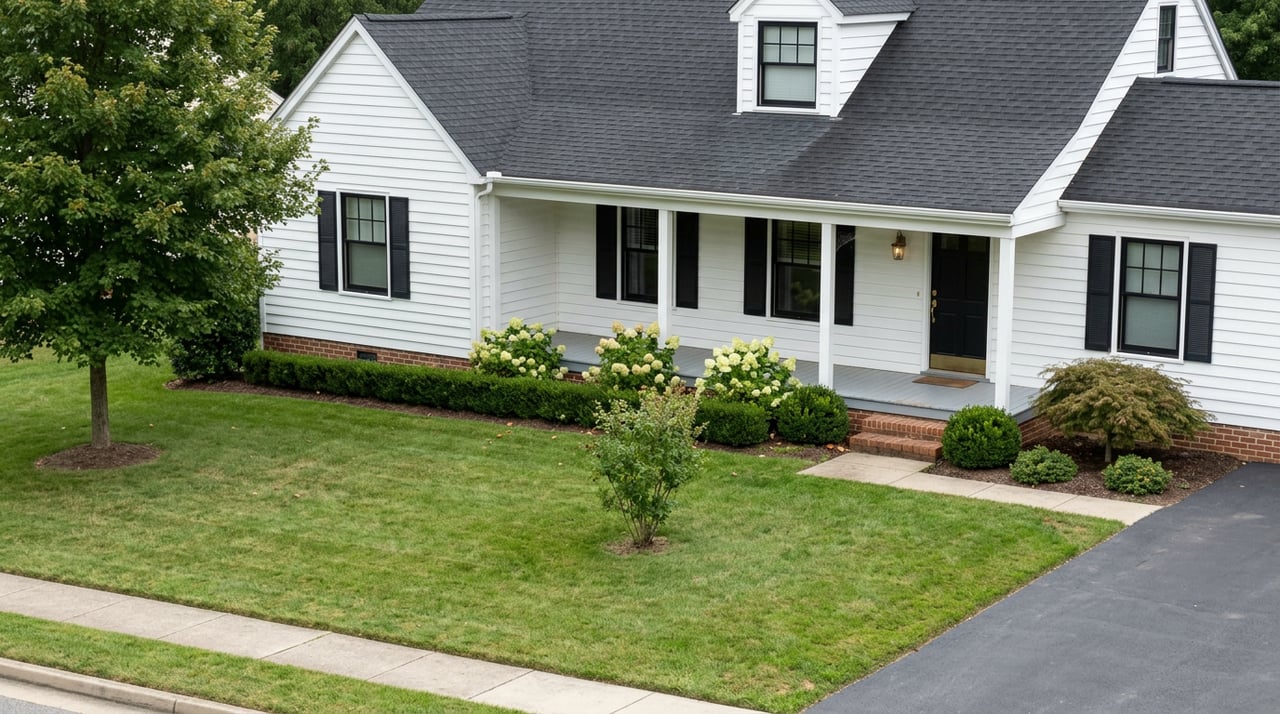
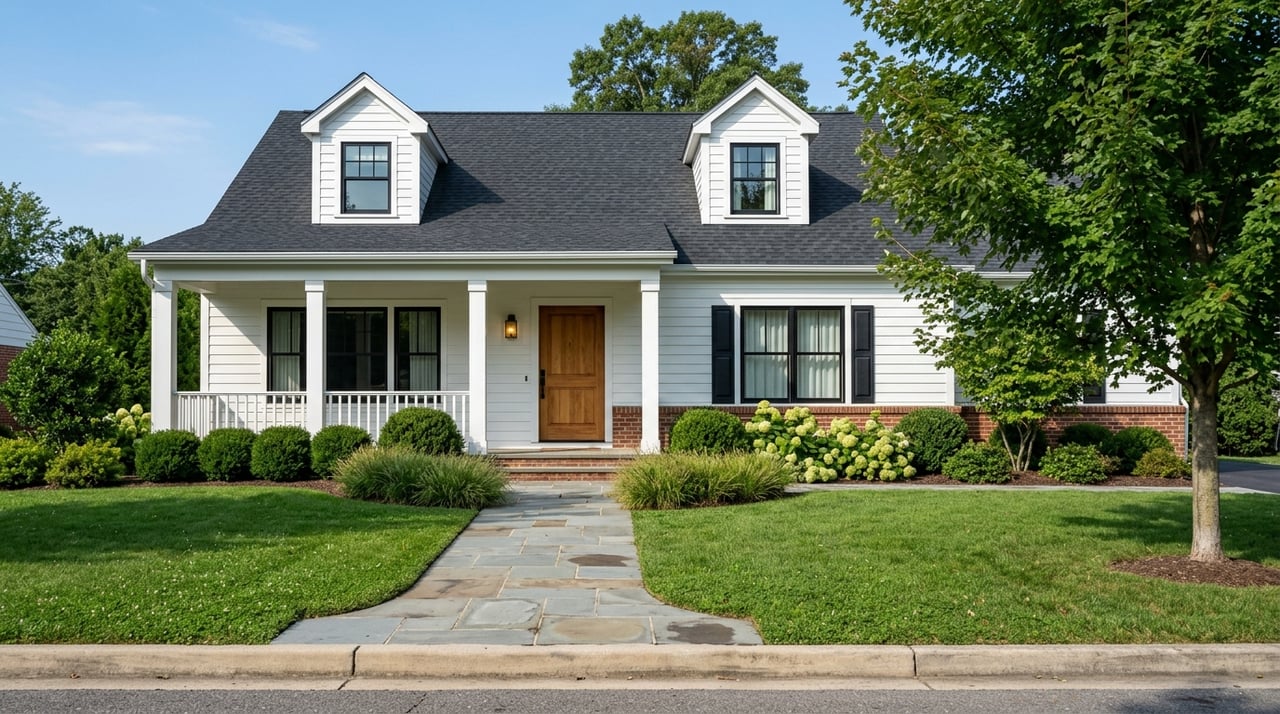
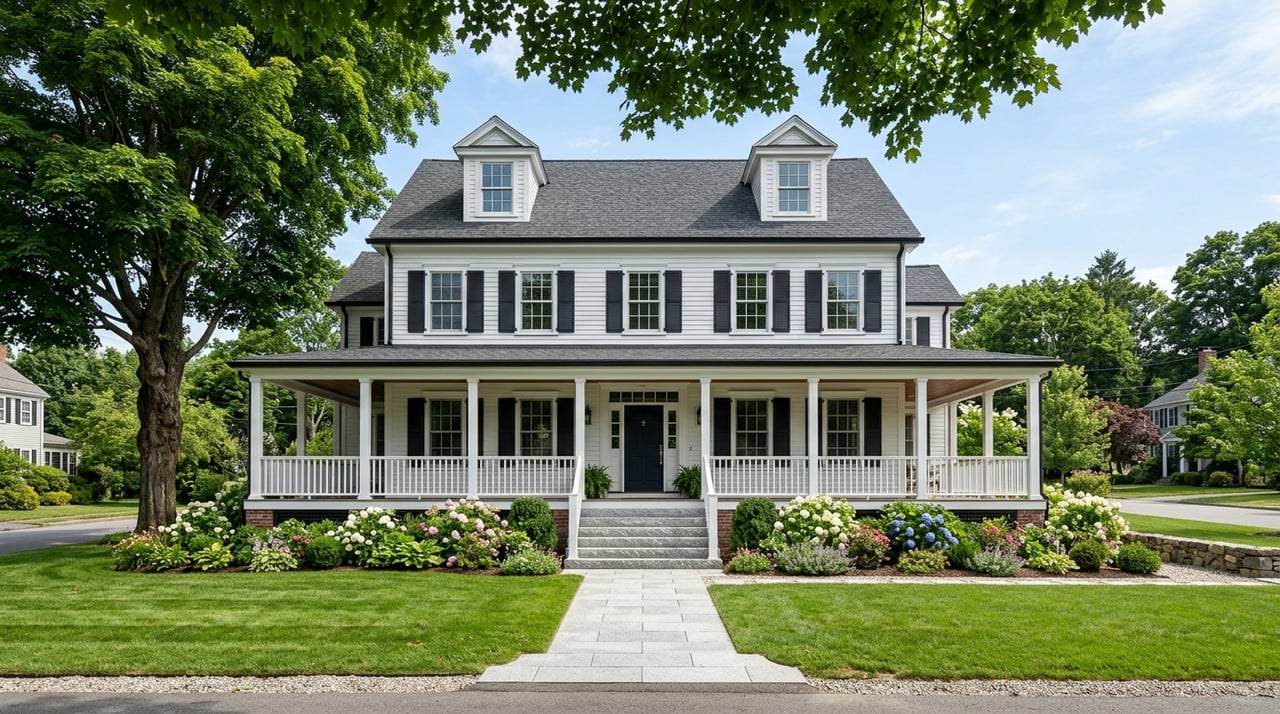
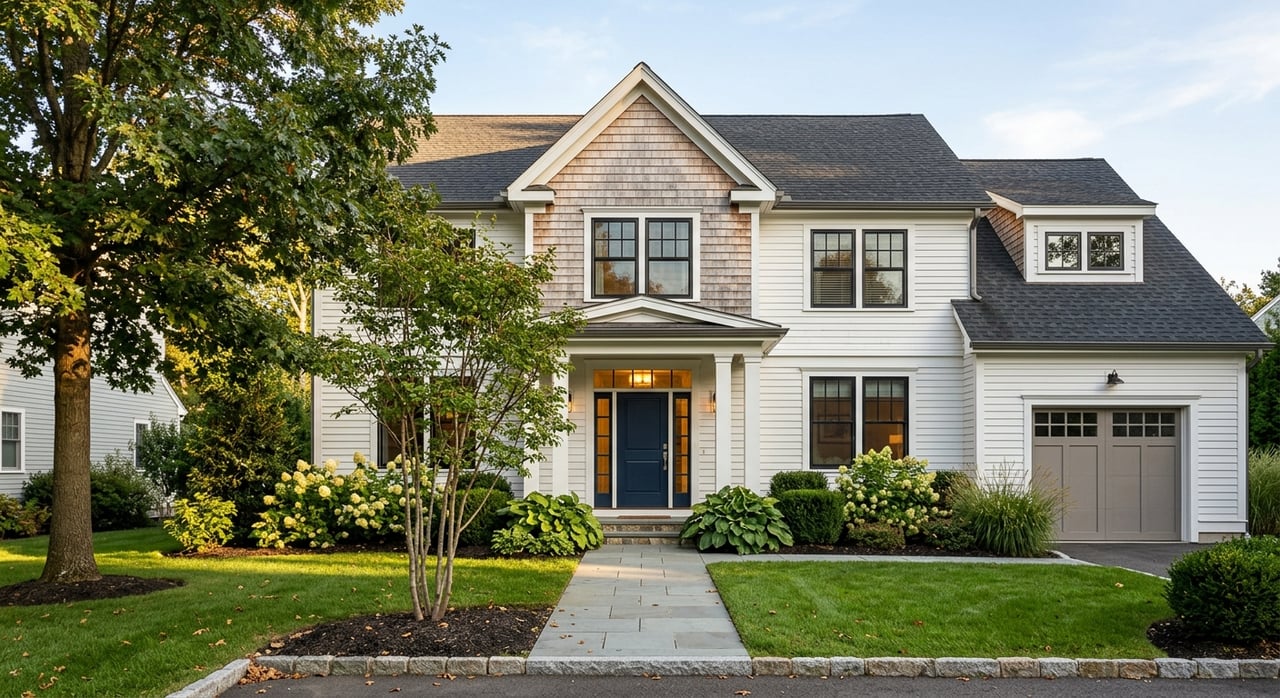
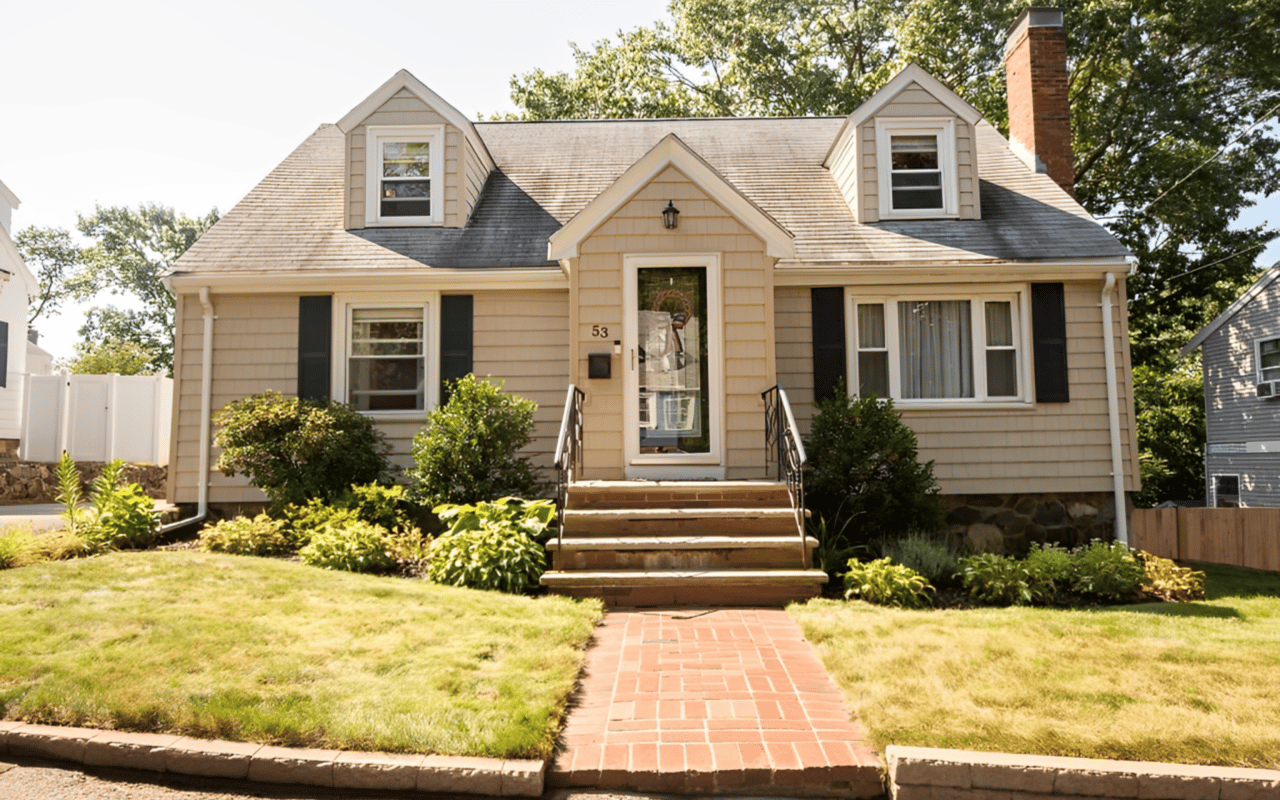
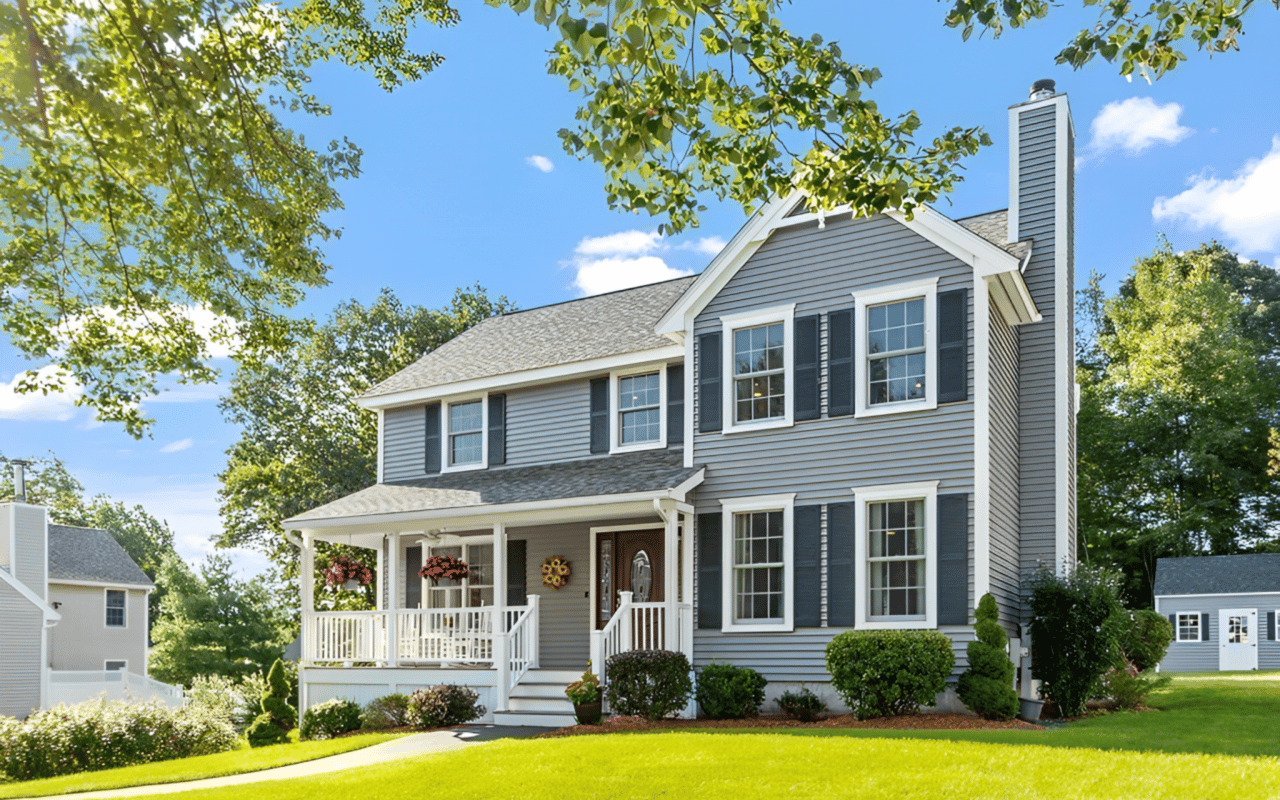
For many buyers, inland living can feel more traditionally residential. Since the city notes that single-family detached homes dominate most of Beverly, inland areas may offer more of the yard-space-and-separation feel people often picture when they think of suburban living.
That said, inland does not always mean isolated. North Beverly and Montserrat can still offer commuter rail access without the stronger beach-town character you may find closer to the shore.
Beverly Farms Is Its Own Category
If you are torn between waterfront and inland, Beverly Farms deserves a closer look. It is coastal, but it is not simply a beach-house setting.
City planning documents describe Beverly Farms as a village-like exception, with a small walkable shopping district near the train station. That makes it one of Beverly’s more balanced choices if you want some coastal character along with everyday convenience.
Route 127 also follows the shoreline through Beverly Farms and Prides Crossing with ocean views. So if your ideal lifestyle includes scenic drives, train access, and a village setting, Beverly Farms may offer a middle ground.
Compare the Daily Trade-Offs
The best choice usually comes down to how you want your day-to-day life to work. Here is a simple way to compare the two.
| Factor | Waterfront Beverly | Inland Beverly |
|---|---|---|
| Setting | Harbor, beaches, riverfront, ocean views | Woods, ponds, trails, open space |
| Lifestyle feel | Maritime, scenic, more shoreline-focused | Residential, quieter, more land-oriented |
| Recreation | Boating, beaches, waterfront parks | Walking trails, preserves, pond areas |
| Housing context | Historic estates, compact in-town areas, mixed-use districts | More traditional single-family pattern in many areas |
| Public access | Valuable but limited in some shoreline areas | Less water access, more nature-oriented spaces |
Neither option is automatically better. The right fit depends on whether your priorities lean toward scenery and water access, or space and a more inland neighborhood feel.
Think About Walkability and Commuting
If you want to live in Beverly without relying on your car every day, location matters as much as waterfront versus inland. The city’s strongest walkability and transit options cluster around downtown and station areas.
The Newburyport/Rockport Line serves Beverly, North Beverly, Montserrat, and Beverly Farms. A city mobility-hub report also found that close to 40% of Beverly Depot passengers walked or biked to the station, which helps explain why station-adjacent housing often feels more walkable.
Downtown Beverly stands out as the city’s commercial and pedestrian-oriented center, especially around Cabot Street. So if your goal is a compromise, a home near downtown or near one of the rail stations may give you better access to both daily convenience and neighborhood character.
One practical note: Beverly announced that its shuttle service will end on June 30, 2026. If local bus or shuttle access is part of your plan, it is smart to verify current service before you make a decision.
Flood Risk Matters in Both Areas
Flood exposure is one of the biggest practical differences buyers should review carefully, especially near the shoreline. Beverly maintains FEMA flood maps and requires a floodplain development permit before work begins in a special flood hazard area.
The city’s open-space plan identifies coastal storm surge, tidal flooding, and low-lying trouble spots near Dane Street Beach and Chubbs Brook as recurring concerns. If you are looking at waterfront property, this due diligence should be part of your process from the start.
Still, inland Beverly is not automatically flood-free. The city’s flood maps also show inland A-zones around Bass River, Centerville Creek, North Beverly Brook, Wenham Lake, Norwood Pond, Beaver Pond, and Longham Reservoir.
The takeaway is simple: do not assume risk based on a neighborhood label alone. Check the specific lot, not just whether the home is near the coast or farther inland.
Pricing Requires a Property-by-Property View
Beverly is a competitive market, but broad citywide numbers only tell part of the story. As of May 2026, Redfin reported a 3-month median sale price of $760,045, while Zillow reported a median sale price of $681,000 for May 2026 and a typical home value of $779,753 as of June 30, 2026.
Because these sources use different methods and time frames, they are most useful for showing that Beverly is a relatively high-priced market overall. They are less helpful for deciding whether waterfront or inland represents better value for your goals.
That is why current neighborhood comps matter so much. A coastal property, a village-area home near a station, and an inland single-family home can each behave differently in the market.
It also helps to keep ongoing costs in mind. Beverly uses a split property tax rate, and the FY2026 residential rate is $10.81 per $1,000 of assessed value.
Questions to Ask Yourself First
Before you narrow your search, ask yourself a few practical questions:
- Do you want your weekends centered around beaches, boating, and harbor views?
- Would you rather have easier access to trails, ponds, and wooded open space?
- Is walkability to downtown or a train station more important than being close to the shoreline?
- Are you comfortable doing extra flood-related due diligence if you buy near the water?
- Do you want a village feel like Beverly Farms, or a more classic residential setting inland?
Your answers will usually point you in the right direction faster than trying to rank neighborhoods as simply best or worst.
The Best Beverly Fit Is About Trade-Offs
In Beverly, the choice is rarely waterfront versus inland in a strict all-or-nothing way. Waterfront areas can offer scenery, boating, and beach access, but they also come with more shoreline regulation and more flood-related review. Inland areas can offer woods, open space, and a more residential feel, while downtown and station villages often create the most walkable middle ground.
If you want help sorting through those trade-offs in a way that matches your lifestyle, commute, and long-term plans, Evelyn Rockas can help you compare Beverly options with a local, practical lens.
FAQs
What is the main difference between waterfront and inland living in Beverly?
- Waterfront Beverly is more tied to harbor views, beaches, boating, and shoreline access, while inland Beverly tends to offer a more wooded, open-space-oriented, and residential feel.
Does Beverly Farms feel more like a beach area or a village?
- Beverly Farms is a coastal area, but city planning documents describe it as village-like, with a small walkable shopping district near the train station.
Are Beverly waterfront homes subject to more flood review?
- Yes. Beverly maintains FEMA flood maps, and properties in special flood hazard areas require added due diligence, including floodplain development permitting for certain work.
Is inland Beverly free from flood risk?
- No. Beverly’s flood maps include inland areas near places such as Bass River, Centerville Creek, North Beverly Brook, Wenham Lake, Norwood Pond, Beaver Pond, and Longham Reservoir.
Can you live in Beverly without driving every day?
- In some parts of Beverly, yes. Downtown and station areas such as Beverly, North Beverly, Montserrat, and Beverly Farms offer the strongest transit access and more walkable daily patterns.
Are there public beaches in Beverly?
- Yes. Lynch Park, West Beach, and Obear Park provide public beach or waterfront recreation access, although the city says much of the shoreline overall is privately owned or restricted.