Are you thinking about leaving behind extra rooms, yard work, and stairs, but worried that downsizing will feel like a compromise? In North Reading, that concern is understandable. Many longtime homeowners want a simpler home without giving up comfort, convenience, or connection to the town they know well. The good news is that downsizing here can be about improving how you live, not just shrinking your square footage. Let’s dive in.
Why downsizing matters in North Reading
North Reading is a community with a high rate of homeownership, and many residents are at a stage where housing needs are changing. Recent Census data shows an owner-occupied housing rate of 84.3%, a median owner-occupied home value of $710,500, and 16.7% of residents age 65 and over. The town also had an estimated population of 16,553 in 2025 and 5,825 households.
That local picture helps explain why downsizing is such a relevant topic. North Reading’s Age-Friendly assessment found that older adults are thinking about housing costs, property taxes, transportation, and the limited supply of downsizing options. The same report projected that 35% of residents would be age 60 or older by 2030, which means this conversation is only becoming more important.
Comfort means more than square footage
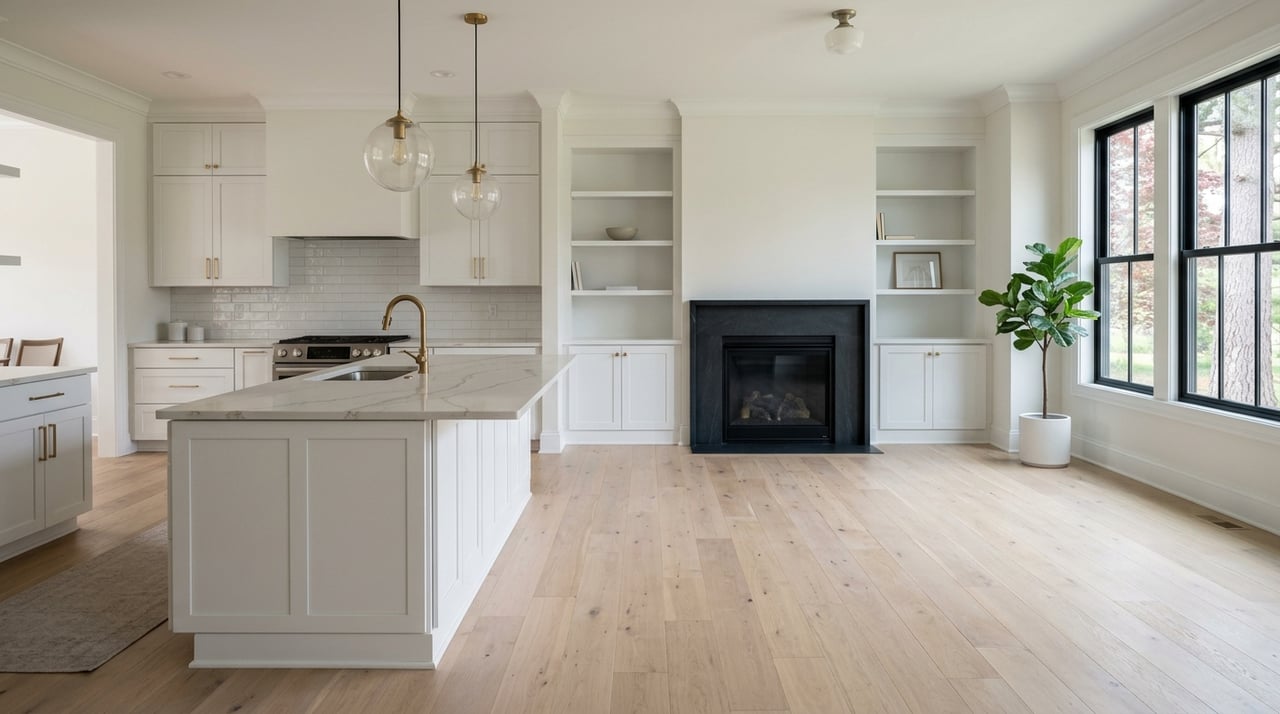
When you downsize, comfort usually has less to do with the total number of rooms and more to do with how well your home fits your daily life. A home that is easier to maintain, easier to navigate, and closer to the places you use most can feel more comfortable than a larger property that asks too much of your time and energy.
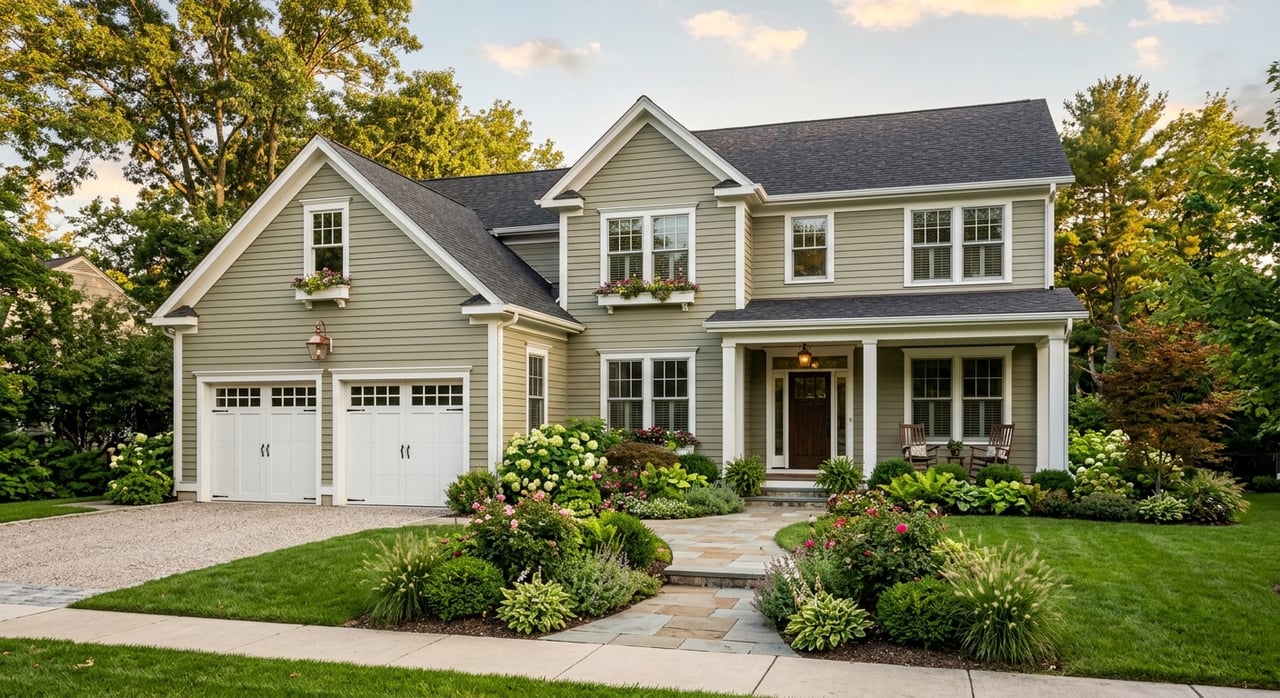
In North Reading, the strongest downsizing strategy is often staying local while choosing a home that supports your next chapter. That may mean less exterior upkeep, fewer stairs, better access to town services, or a layout that works well for the years ahead. In other words, the goal is not simply to move smaller. It is to live smarter.
What comfortable downsizing can look like
North Reading already offers examples of housing types that align with a lower-maintenance lifestyle. One local example is Martins Landing Condominiums, which the town describes as a 502-unit 55+ development with one- and two-bedroom affordable units, surface parking, and a clubhouse.
That kind of setup reflects what many downsizers are looking for. You may want a home where exterior maintenance is reduced, parking is straightforward, and shared amenities add convenience without adding work. For some households, that can create a better day-to-day experience than staying in a larger single-family home.
The town’s Senior Housing Overlay District also gives helpful insight into what local leaders see as supportive housing design. Under that overlay, senior housing may include one-family, two-family, and multi-family dwellings. The standards include features such as elevator access in multi-floor buildings, a two-bedroom limit per unit, common-area amenities, and locations within walking access of a public park, common, or library.
Those details matter because they show that comfortable downsizing in North Reading is tied to accessibility, convenience, and connection. It is not just about finding a smaller home. It is about finding a home that works better.
Features to prioritize in your next home
If you want to downsize without giving up comfort, focus on features that support ease and flexibility.
Look for easy daily living
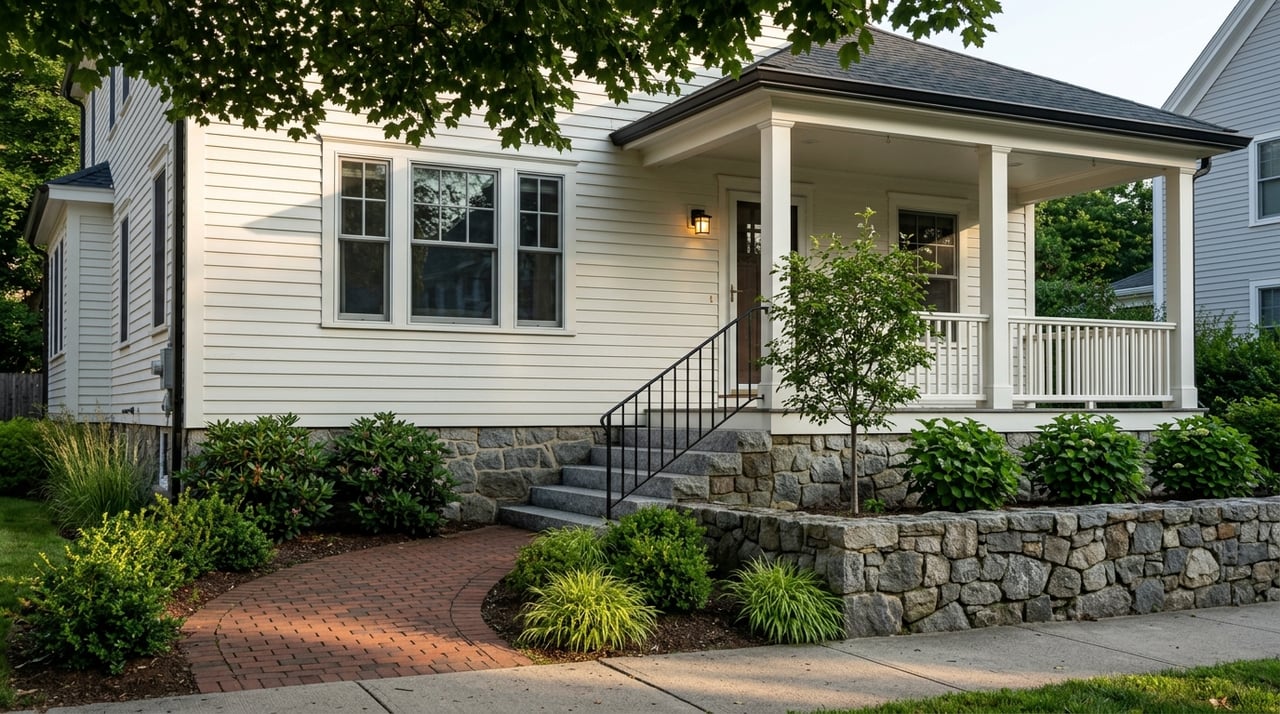
A practical layout can make a major difference. Many downsizers prefer one-level living or a building with elevator access because it can reduce physical strain and make everyday routines simpler.
You may also want to think beyond today’s needs. A layout with fewer barriers, manageable room sizes, and simple access in and out of the home can help you stay comfortable longer.
Choose manageable maintenance
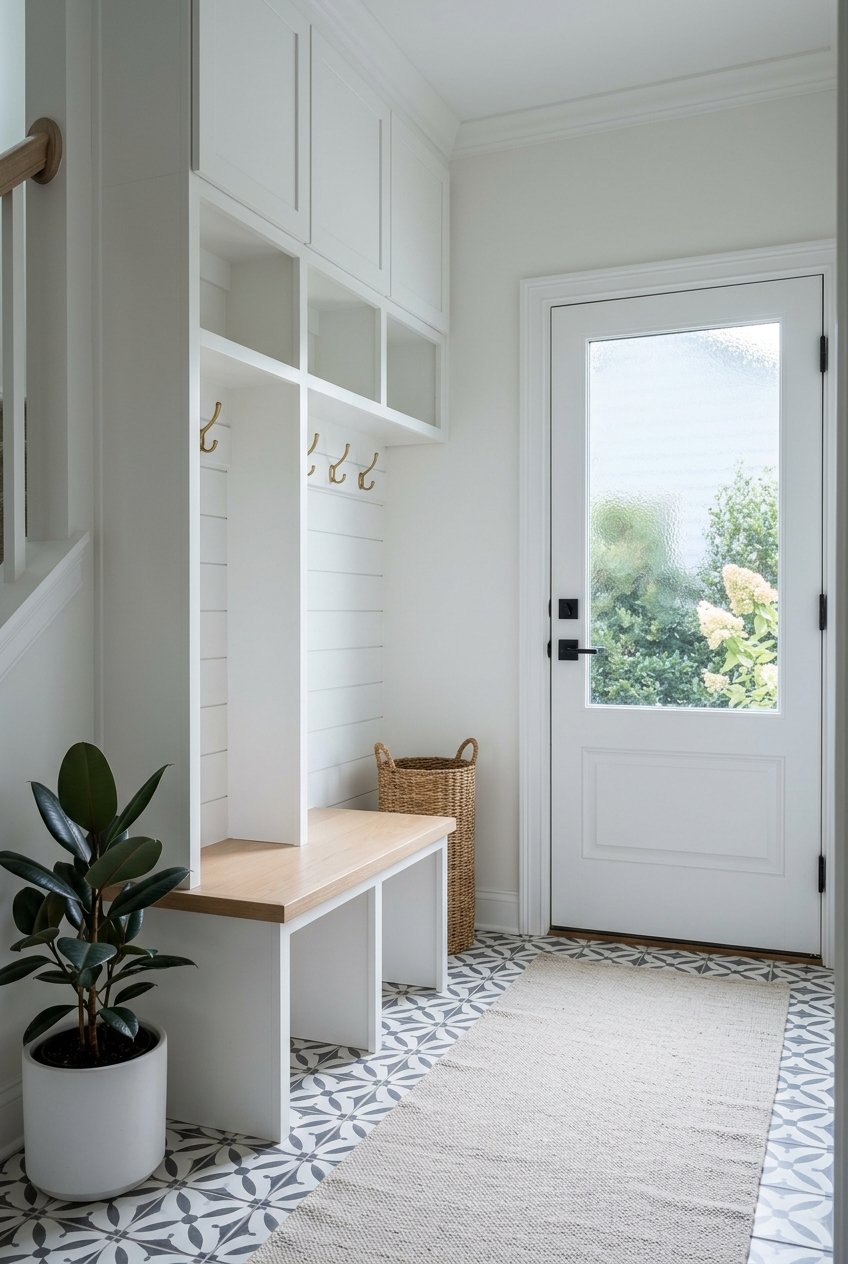
One of the biggest reasons people downsize is to spend less time taking care of the property. That can mean less yard work, fewer exterior repair responsibilities, and a smaller interior to clean and maintain.
Before you move, make sure you understand who handles exterior upkeep, snow removal, landscaping, and common-area maintenance. A home can look ideal on paper, but the lifestyle fit is what really counts.
Keep storage and parking in mind
Downsizing does not mean you stop needing practical space. Storage for seasonal items, household essentials, and personal keepsakes can still be important.
Parking also matters more than many people expect. Whether you want surface parking, guest parking, or easy access from your car to your front door, convenience here can add a lot to everyday comfort.
Stay close to North Reading amenities
For many homeowners, the best part of downsizing is gaining easier access to the places and services that support everyday life. In North Reading, that often means thinking about proximity to the Park Street civic area and the Route 28 corridor.
The civic cluster on Park Street includes the Flint Memorial Library and the Edith O'Leary Senior Center. The Senior Center serves residents age 60 and older and offers fitness and exercise programs, daily lunch, seminars, social groups, fuel assistance, SHINE, Mystic Valley Elder Services, and a transportation coordinator on staff.
That kind of nearby support can shape your quality of life in a big way. If you are trying to drive less, simplify errands, or stay socially engaged, being near these services may matter just as much as the features inside the home.
North Reading’s Age-Friendly assessment also highlighted sidewalks, walking paths, connections to downtown and civic areas, and transportation options for people who limit driving. That makes location a key part of any downsizing plan. A smaller home in the right place may offer more comfort than a larger home that feels isolated.
Transportation should be part of the plan
Comfort is also about how easily you can get around. North Reading does not have a commuter rail station in town, but the North Wilmington commuter rail station is about two miles away. Route 28, also known as Main Street, is the principal highway, and I-93 is about 1.2 miles east.
If you are comparing homes, think about your regular routine. Consider how close you want to be to errands, appointments, community spaces, and regional routes. Even if you drive comfortably today, many downsizers value having options that make future routines easier.
Compare moving with staying put
Downsizing is not the only path. Some North Reading homeowners decide that modifying their current home makes more sense than moving.
Massachusetts offers a Home Modification Loan Program that provides zero-interest deferred-payment loans for residents over 60 or households with disabilities. According to the state, eligible projects can include ramps, stair lifts, bathroom and kitchen accessibility upgrades, and accessory dwelling units.
Accessory dwelling units may also become part of the conversation for households that want flexibility without leaving the community. Massachusetts now allows ADUs statewide by right, and North Reading states that its ADU zoning article was in effect as of January 27, 2025, pending Attorney General review. The state describes ADUs as one way older adults can downsize and remain in their community.
If your current home still works for your location and lifestyle, adapting it may be worth exploring. If the upkeep, layout, or costs no longer fit, a move may offer a cleaner solution.
Factor in taxes and long-term costs
Downsizing is often both a lifestyle decision and a financial one. North Reading’s Age-Friendly assessment identified property tax relief as one of the biggest priorities for older residents, which shows how central ongoing costs are in this decision.
The town currently offers several senior-focused property tax tools, including a Senior Citizen Property Tax Work-Off Program, a Clause 41D senior exemption, and a tax deferral option. Depending on your situation, these programs may affect whether it makes more sense to stay in your current home, modify it, or move to a lower-maintenance property.
As you compare options, look at the full monthly picture. Include taxes, utilities, maintenance, association costs if applicable, transportation needs, and the likely cost of future home updates.
A simple North Reading downsizing checklist
If you are starting to plan, this checklist can help you focus on comfort as much as size:
- Prioritize one-level living or elevator access
- Ask about exterior maintenance responsibilities
- Confirm storage options for everyday and seasonal items
- Review parking convenience for residents and guests
- Compare distance to the Senior Center and library
- Think about access to Route 28 and I-93
- Consider walkability to civic spaces or public areas
- Review property tax implications and local relief programs
- Decide whether moving or home modifications better fit your goals
- Focus on lifestyle fit, not just square footage
Why local guidance makes a difference
Downsizing can be emotional, practical, and deeply personal all at once. You may be sorting through decades of belongings, weighing whether to leave a longtime home, and trying to make a smart financial decision at the same time.
That is why local guidance matters. In a market like North Reading, it helps to work with someone who understands the housing options, the town’s age-friendly priorities, and what buyers are looking for if you plan to sell first.
A thoughtful downsizing plan should look at both sides of the move. That includes how to position your current home for sale and how to identify a next home that truly supports comfort, convenience, and peace of mind.
If you are starting to think about downsizing in North Reading, the right plan can help you move forward with clarity and confidence. For personalized guidance on selling, buying, and finding the right fit for your next chapter, connect with Evelyn Rockas.
FAQs
What does downsizing in North Reading usually mean?
- In North Reading, downsizing often means moving to a lower-maintenance home that offers easier daily living, better access to local amenities, and a layout that fits your current lifestyle.
What home features support comfortable downsizing in North Reading?
- Many North Reading downsizers look for one-level living or elevator access, manageable maintenance, practical storage, convenient parking, and proximity to civic amenities like the library and Senior Center.
Are there 55+ housing options in North Reading?
- Yes. One local example is Martins Landing Condominiums, which the town describes as a 502-unit 55+ development with one- and two-bedroom affordable units, surface parking, and a clubhouse.
Can you stay in North Reading and downsize without moving far?
- In many cases, yes. North Reading’s planning efforts, senior housing standards, and ADU policy discussions all reflect a local focus on helping residents remain in the community as housing needs change.
What transportation factors matter when downsizing in North Reading?
- Key considerations include access to Route 28, proximity to I-93, nearness to daily errands and civic services, and the fact that the North Wilmington commuter rail station is about two miles away.
Are there property tax programs for older homeowners in North Reading?
- Yes. North Reading offers a Senior Citizen Property Tax Work-Off Program, a Clause 41D senior exemption, and a tax deferral option for eligible residents.
Should you modify your current North Reading home instead of moving?
- That depends on your layout, upkeep needs, and budget. For some homeowners, home modifications may be a strong alternative, especially since Massachusetts offers a Home Modification Loan Program for eligible residents over 60 or households with disabilities.