15,209 people live in Swampscott, where the median age is 45.3 and the average individual income is $76,101. Data provided by the U.S. Census Bureau.
Total Population
Median Age
Population Density Population Density This is the number of people per square mile in a neighborhood.
Average individual Income
Swampscott is one of the North Shore's most distinctive coastal communities, a longtime summer destination for Boston's elite that has evolved into a genuinely year-round residential town without losing its seaside character. Real estate here spans historic oceanfront estates and Victorians, traditional Colonials, and a growing supply of condominiums and townhomes, with much of the town's older housing stock reflecting its limited undeveloped land and a market shaped more by renovation and redevelopment than large-scale new construction.
The town's location roughly 15 miles northeast of downtown Boston, with direct MBTA commuter rail service from Swampscott station, makes it a practical choice for professionals seeking a genuine coastal lifestyle without giving up a manageable commute. Six public beaches — Eisman's/New Ocean House, Fisherman's, King's, Phillips', Preston, and Whales — along with walkable hubs like Humphrey Street and Vinnin Square, keep daily life connected to the shoreline in a way few Boston-area suburbs can match. Consistent demand and constrained inventory continue to support Swampscott's position as a premium coastal market, with recent median home prices running from the mid-$700,000s to the mid-$800,000s depending on property type and season.
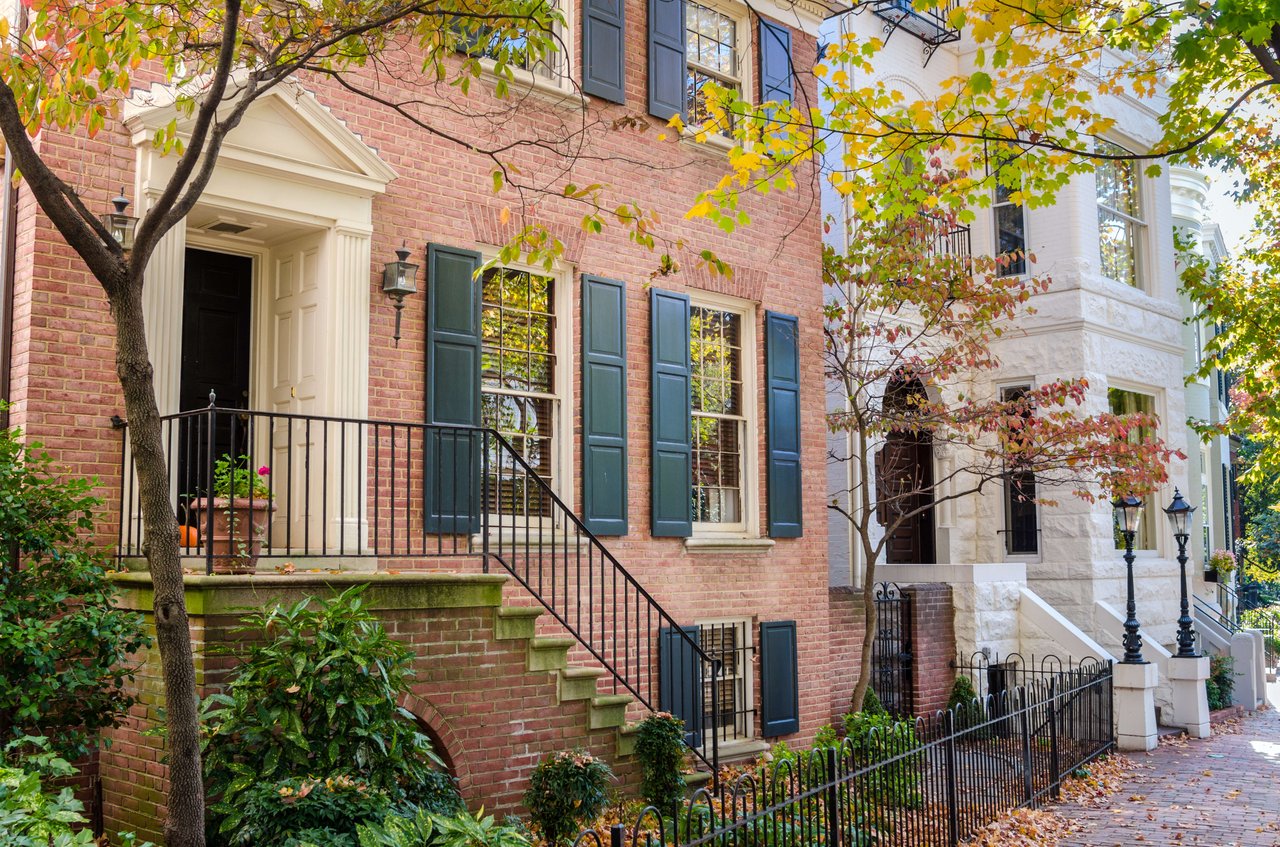
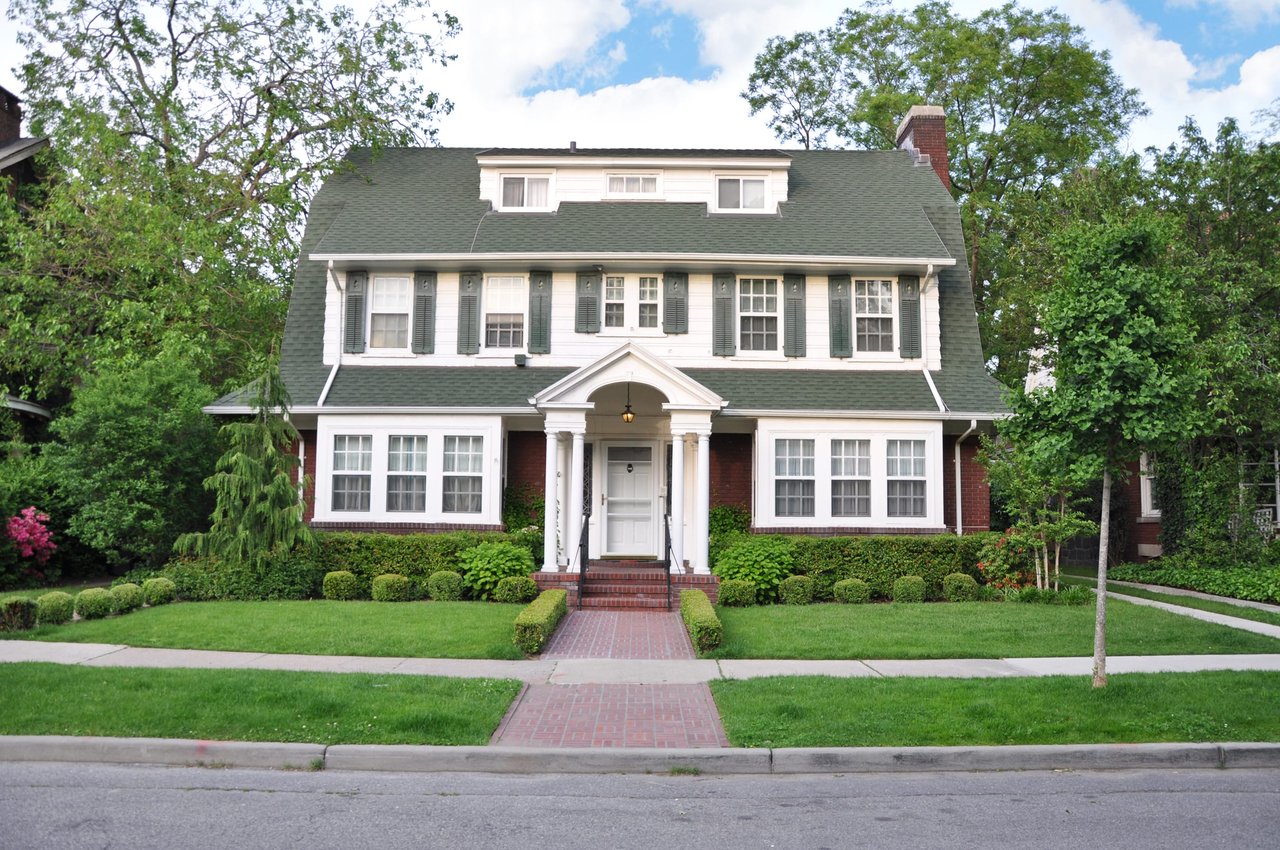
Swampscott's legacy as a 19th- and early 20th-century summer resort left behind grand seaside estates and Victorians, many still standing along the town's most prestigious coastal streets.
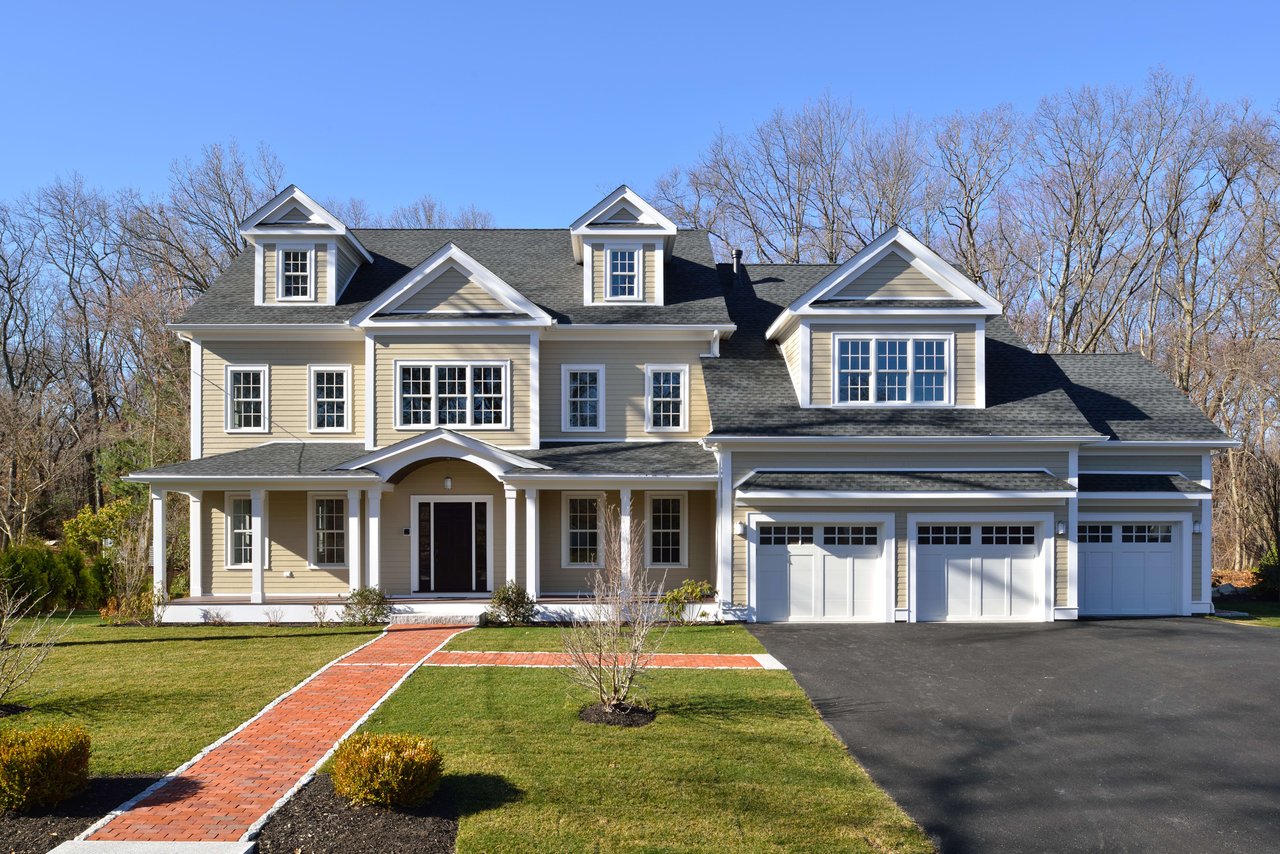
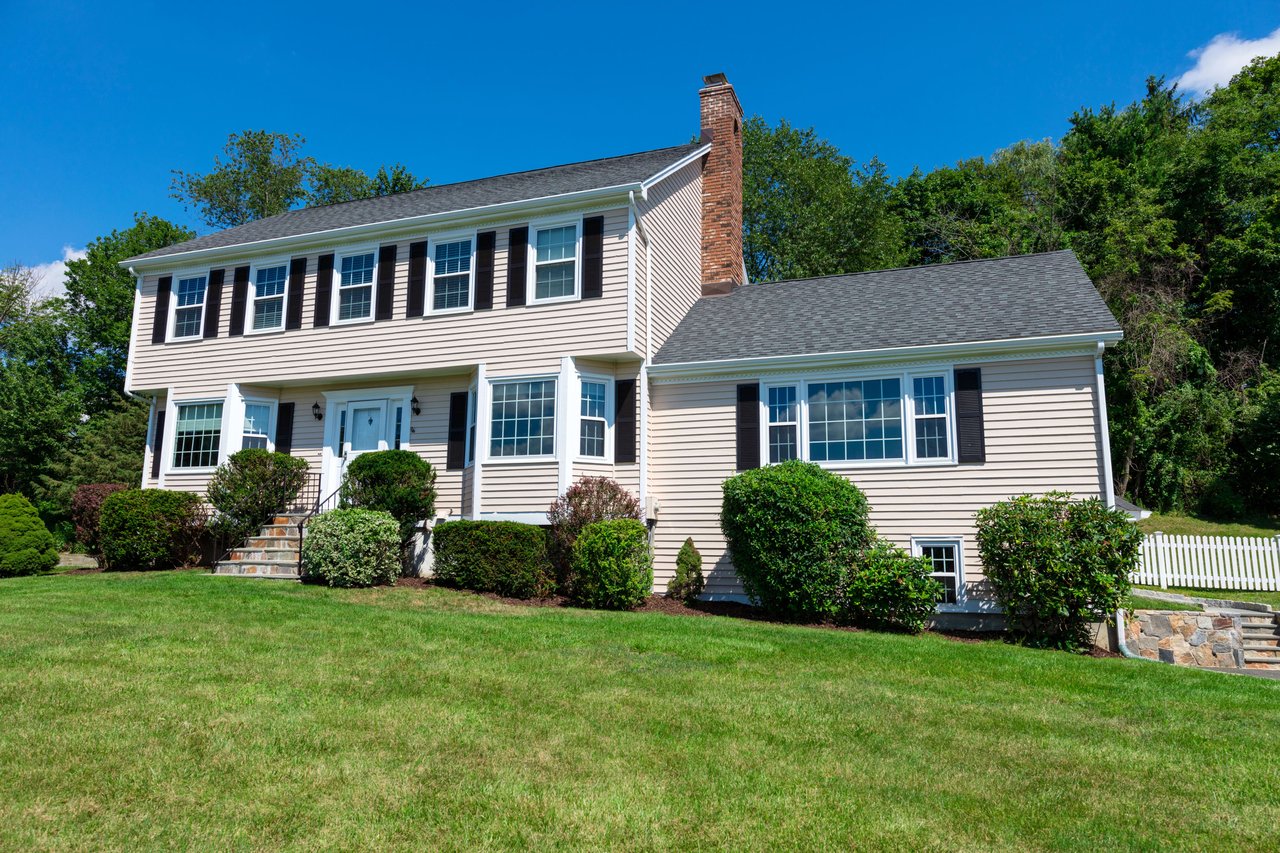
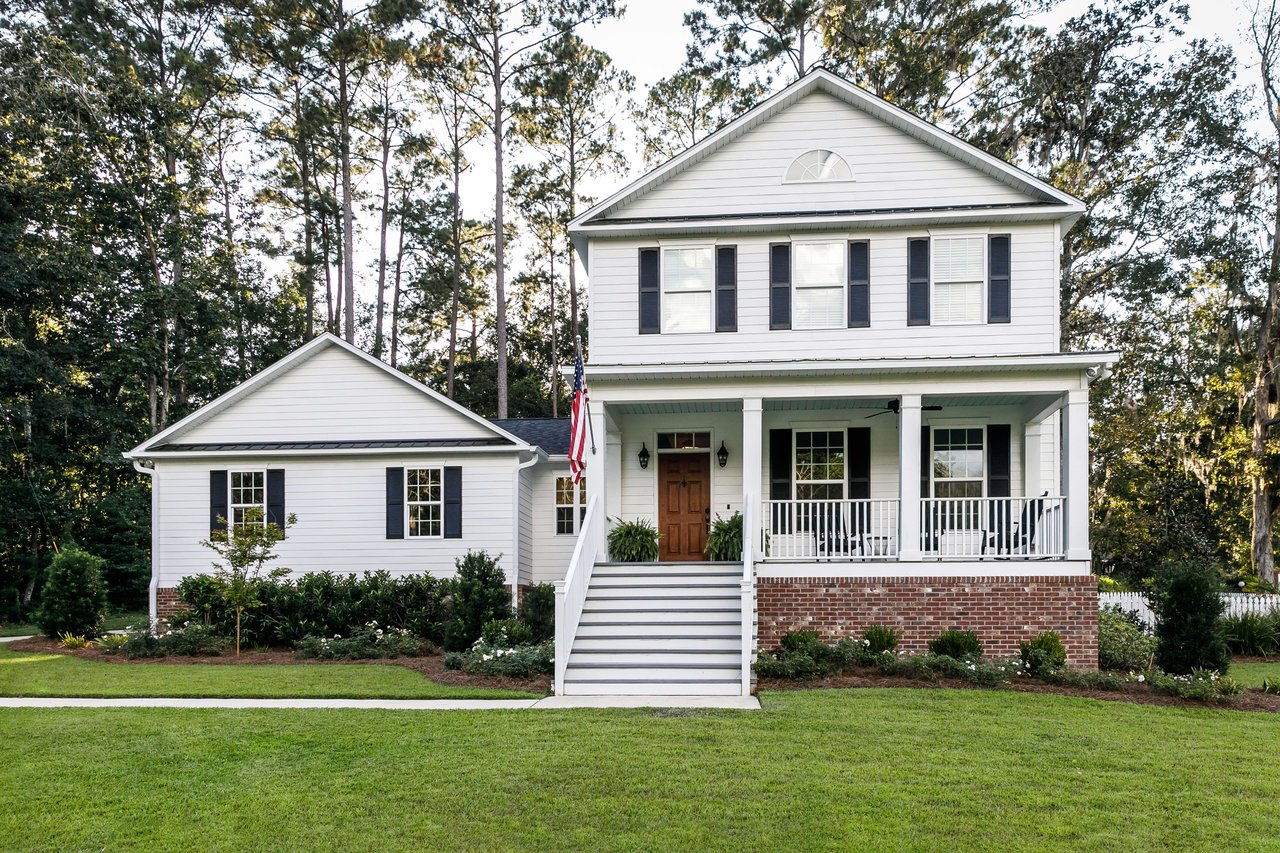
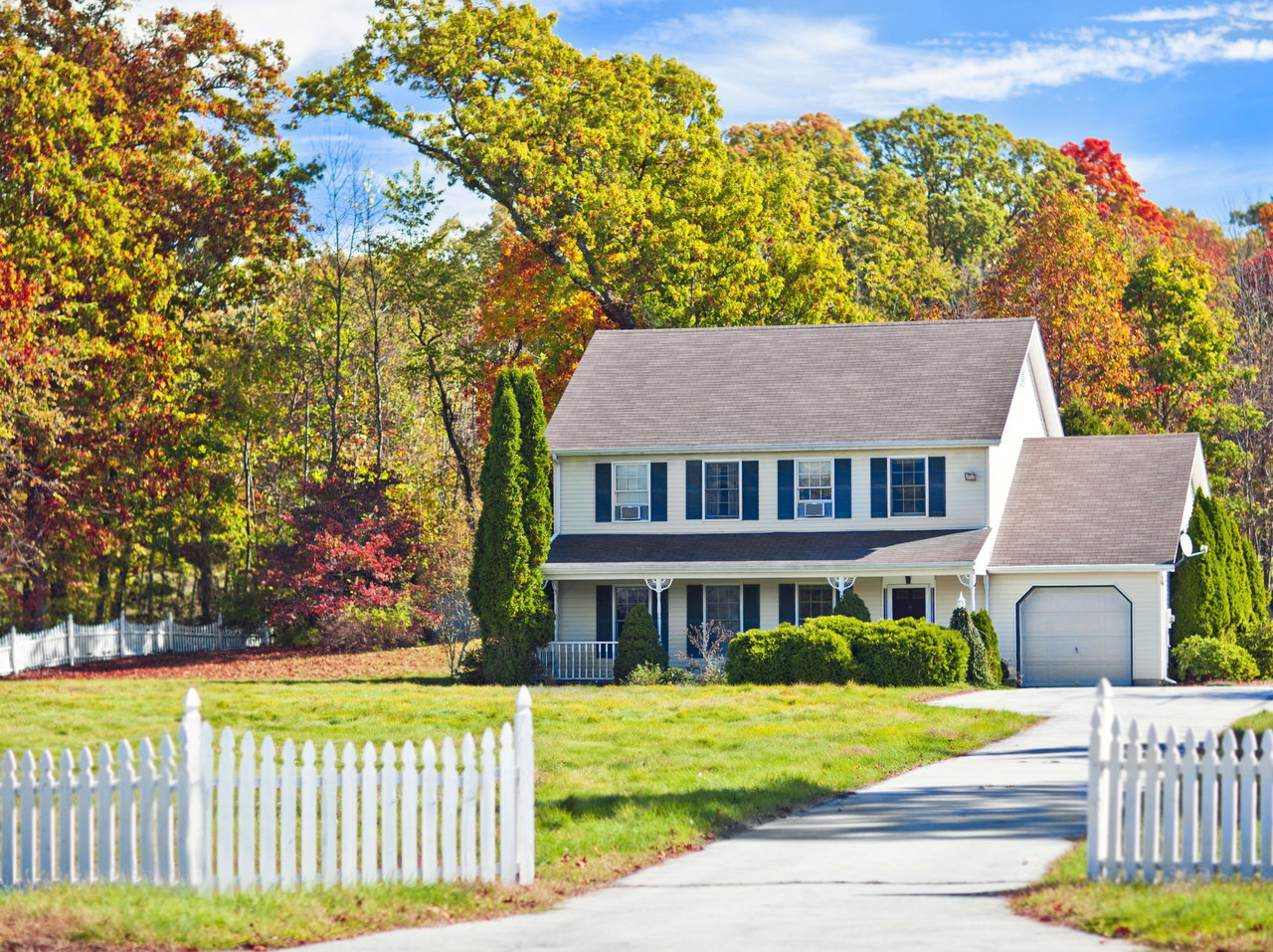
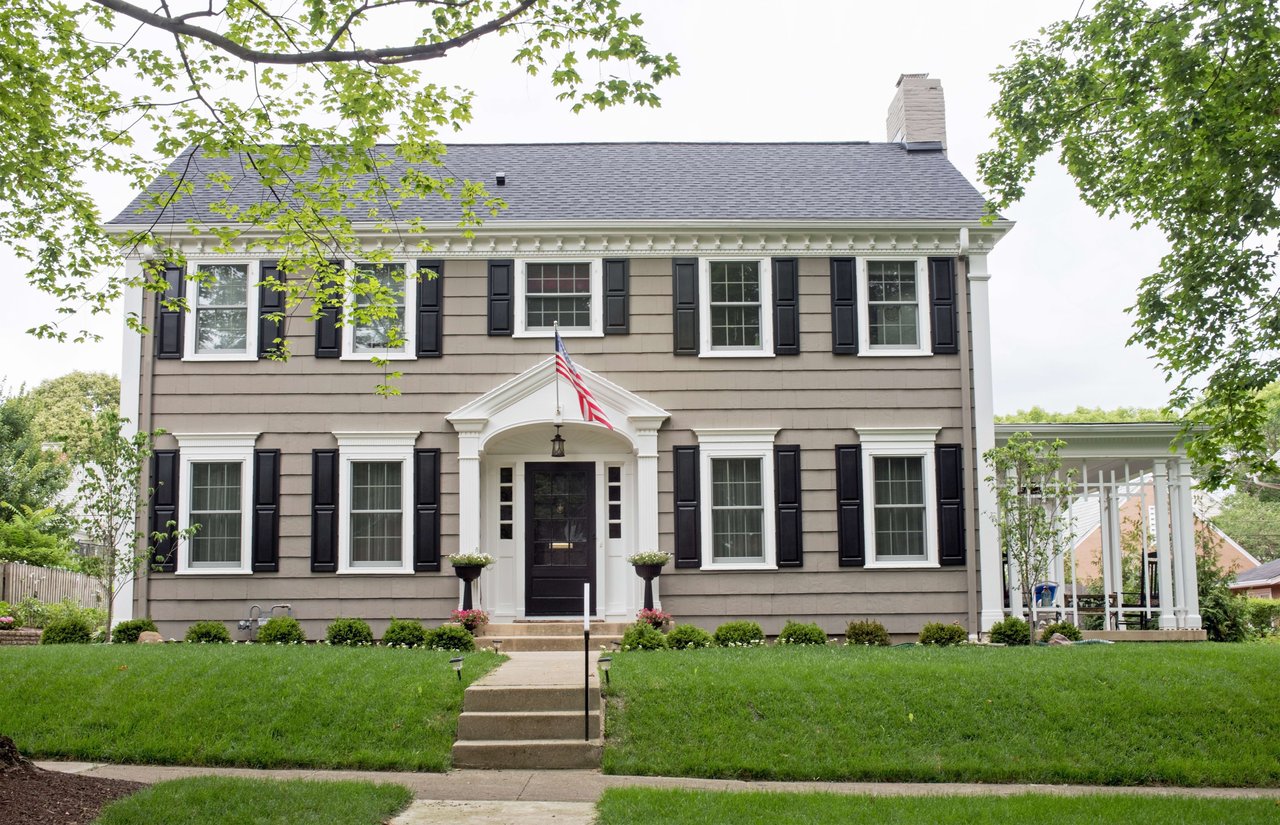
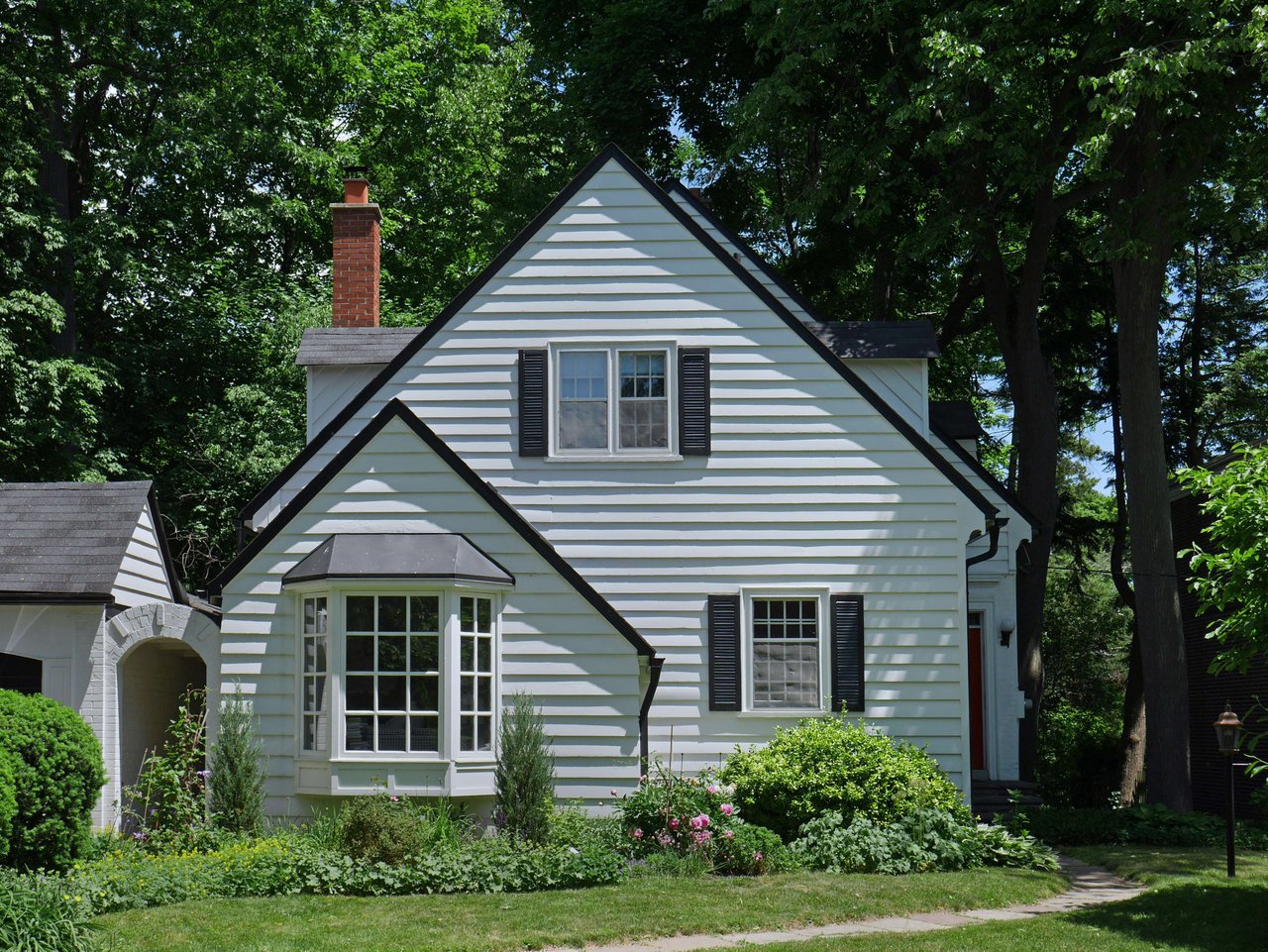
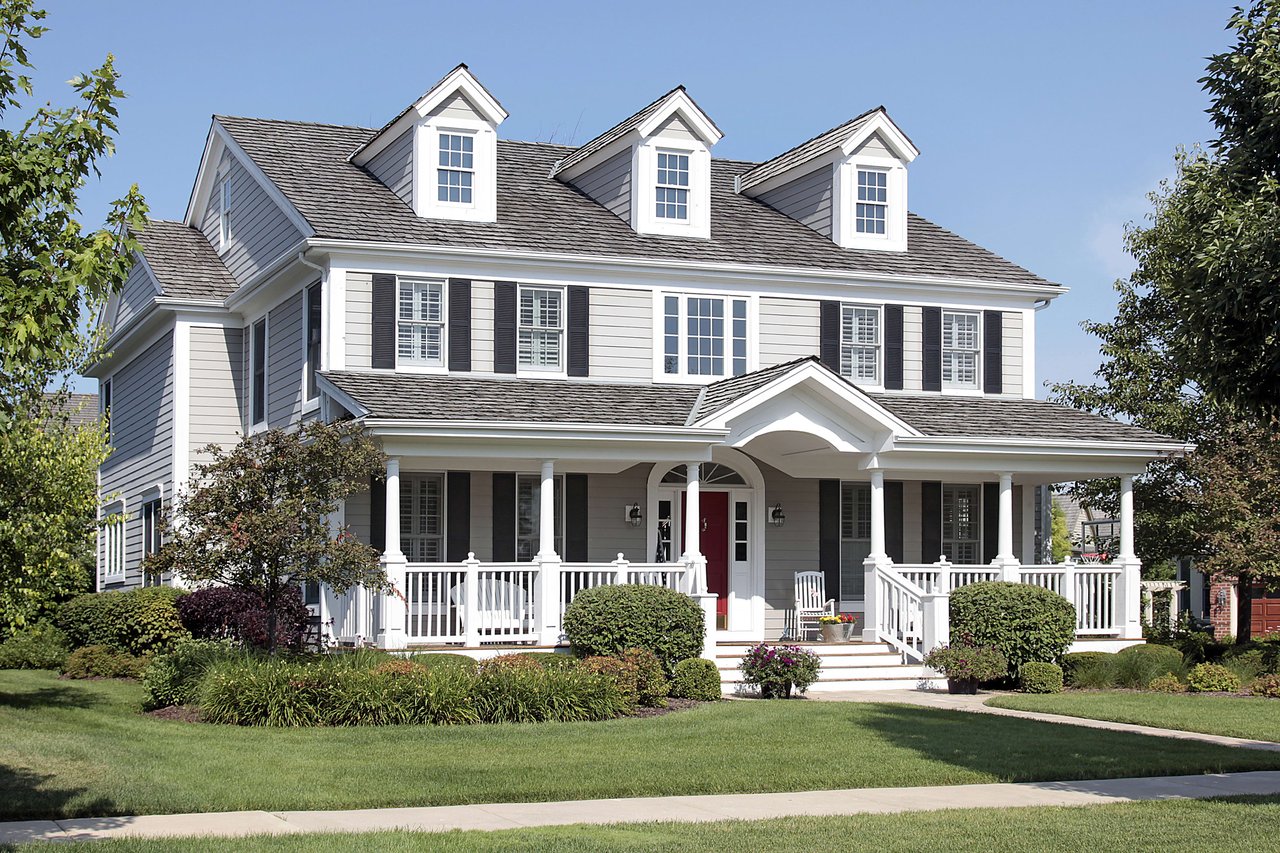
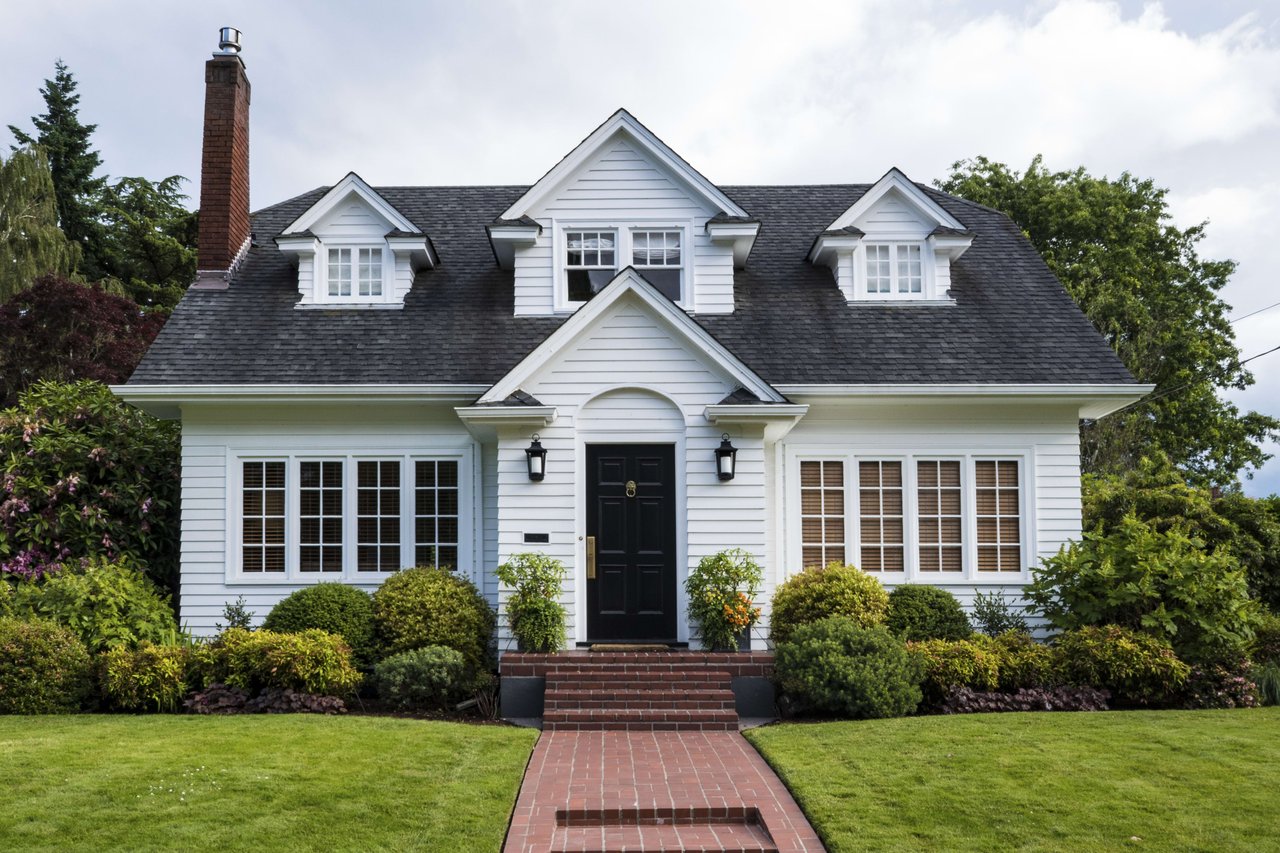
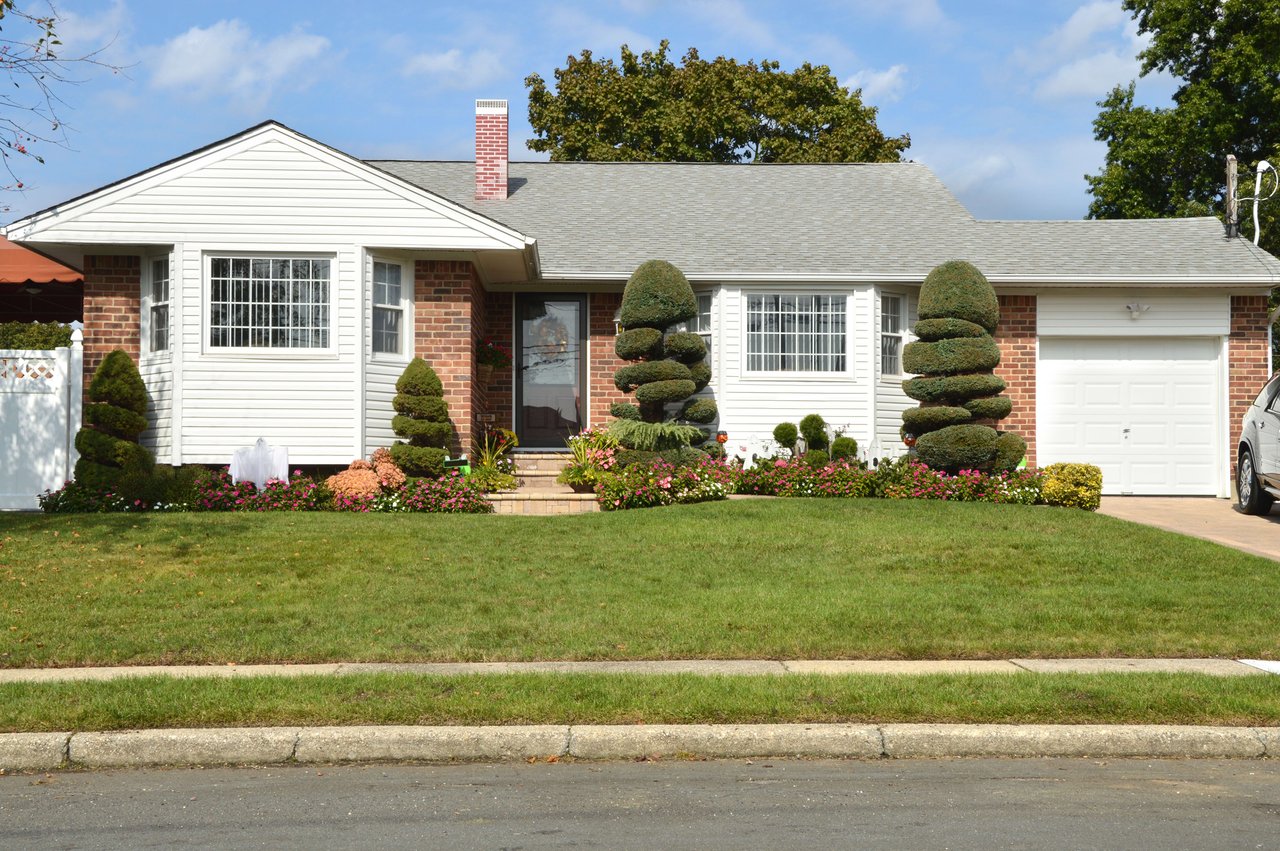
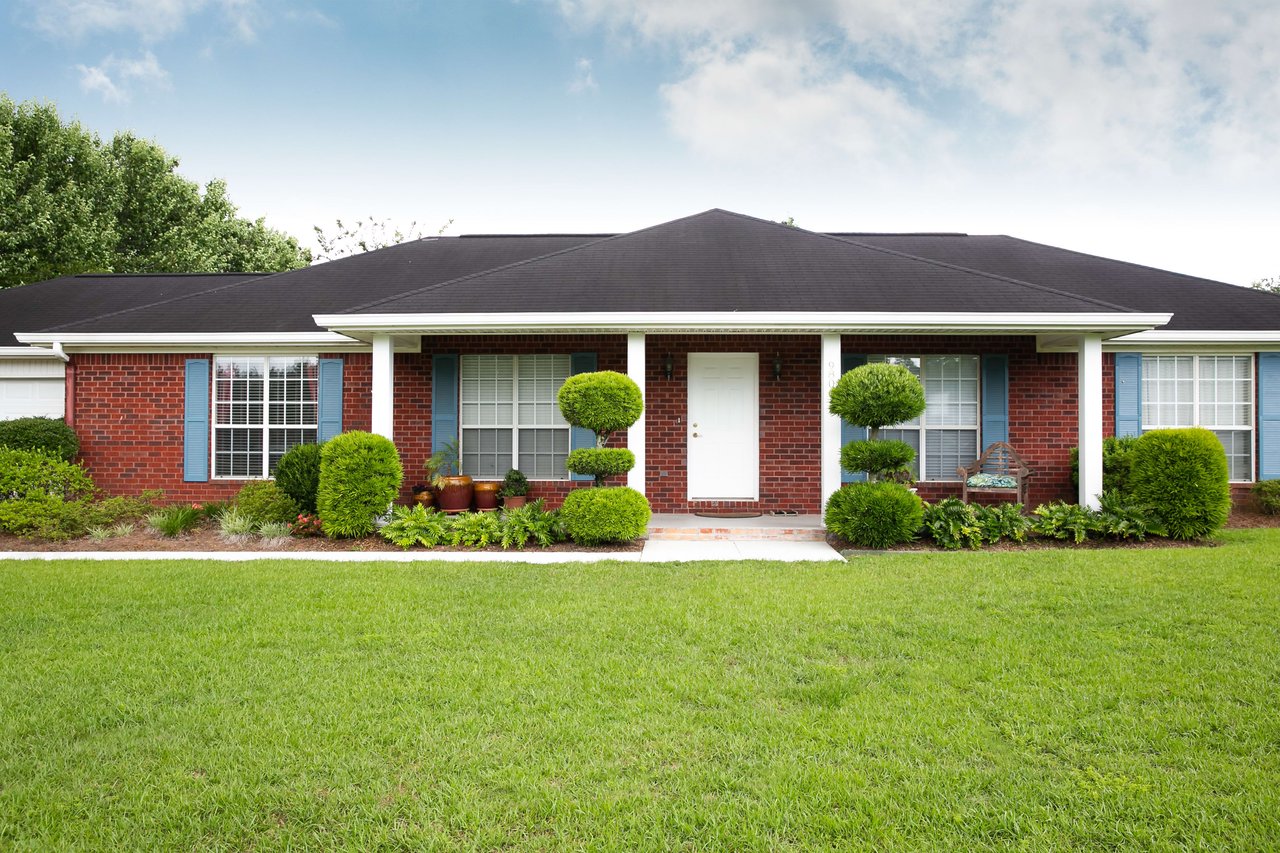
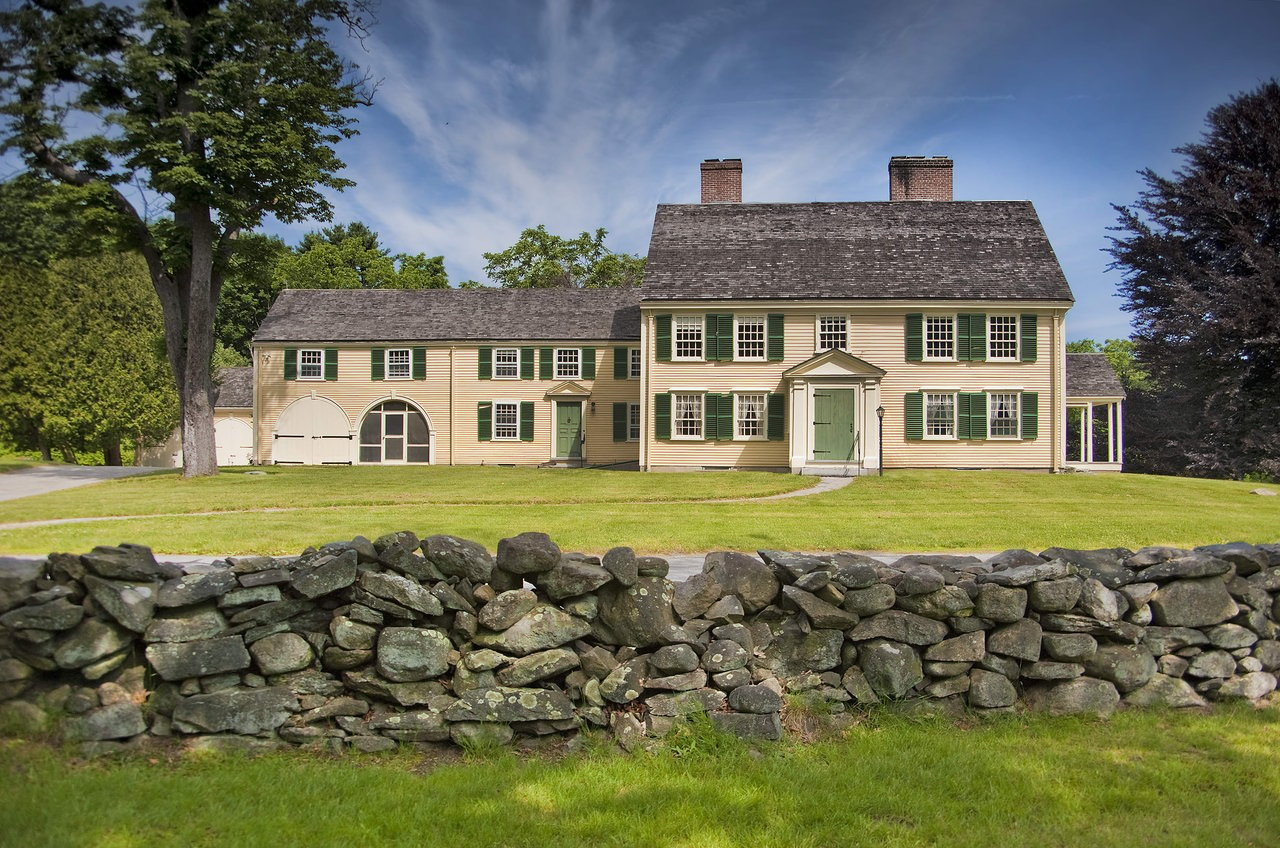
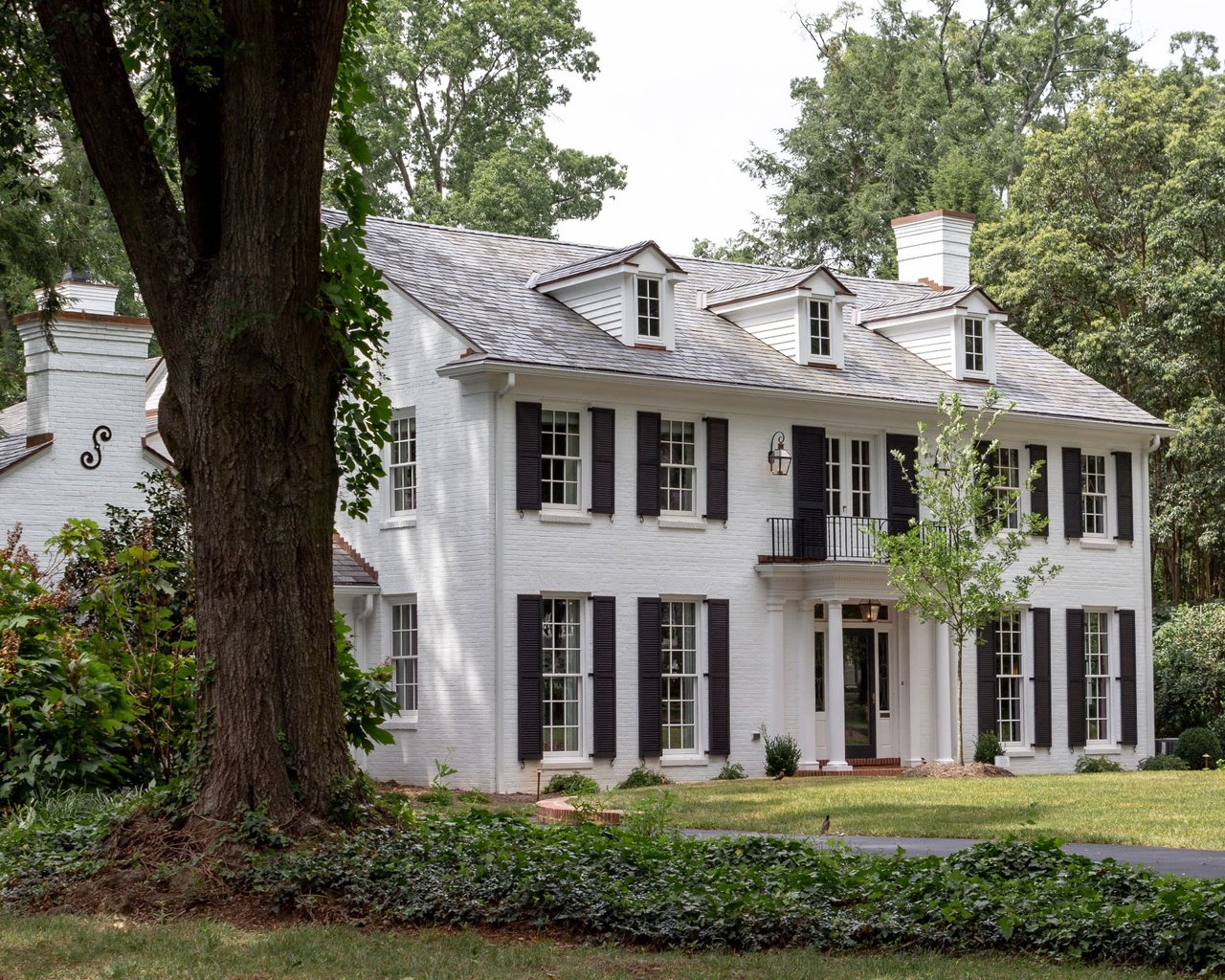
Throughout Swampscott's residential neighborhoods, buyers will find traditional Colonial and Victorian homes reflecting the town's older, established housing stock and limited undeveloped land.
Homes with direct or near-direct ocean views command consistent premiums — recent waterfront listings carried a median price around $685,000, with properties in neighborhoods like Diamond District and Clifton among the most sought-after.
A supply of condos and a smaller number of townhomes offer more accessible, lower-maintenance entry points into Swampscott's coastal market, particularly near the town's commuter rail station and Humphrey Street corridor.
Given Swampscott's older housing stock and limited room for new construction, much of the market activity centers on renovation and redevelopment of existing homes rather than ground-up building.
Swampscott's six public beaches — Eisman's/New Ocean House, Fisherman's, King's, Phillips', Preston, and Whales — make daily beach access a defining feature for residents, drawing buyers who specifically want the shoreline woven into everyday routine rather than treated as a summer destination.
Swampscott sits roughly 15 miles northeast of downtown Boston, with the MBTA commuter rail from Swampscott station providing a direct ride into the city — a genuine draw for professionals who want coastal living with a practical Boston commute.
Swampscott's public schools, walkable neighborhood hubs like Humphrey Street and Vinnin Square, and strong sense of community continue to attract families seeking a scenic, small-town North Shore setting.
Once a summer resort destination for Boston's wealthy elite, Swampscott retains a collection of grand oceanfront estates and historic homes that draw buyers specifically seeking that architectural legacy alongside modern coastal living.
With a median age of 45.3, Swampscott draws a meaningful share of retirees and established residents who value the town's compact, walkable character, healthcare access, and unhurried coastal pace.
Rental inventory is limited, particularly for single-family homes; condos represent a larger share of available rentals given the town's constrained land and older building stock
Waterfront and near-waterfront rentals command a premium and move quickly, especially heading into summer beach season
Renters who plan to commute into Boston should confirm proximity to the MBTA commuter rail station at Swampscott, since not all neighborhoods offer the same easy walk to the platform
Swampscott is best known for its beautiful beaches, historic seaside estates, and reputation as a former summer resort destination. Today, it’s a thriving suburban community with a mix of coastal charm and modern amenities.
Swampscott experiences a typical New England climate with four distinct seasons. Winters are cold and snowy, summers are warm and breezy by the ocean, and spring and fall are highlighted by mild temperatures and stunning seasonal scenery.
Swampscott is about 15 miles northeast of downtown Boston. By car, the drive takes 30–40 minutes depending on traffic, and the MBTA commuter rail from Swampscott station provides a direct, convenient ride into the city.
Yes. Swampscott is highly regarded for its coastal lifestyle, excellent schools, and welcoming community. It’s especially appealing to families, professionals, and retirees who want easy access to Boston without sacrificing a scenic, small-town atmosphere.
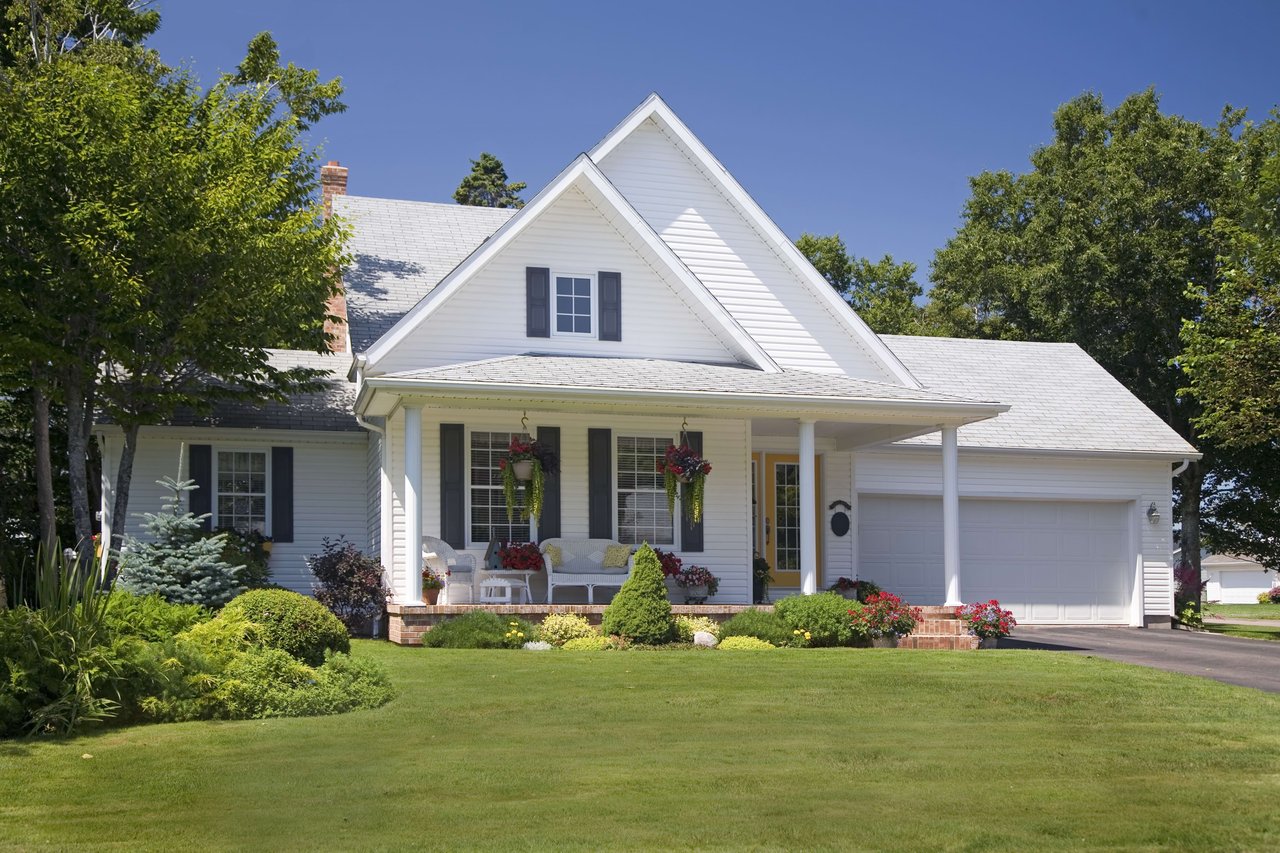
The housing market in Swampscott offers a wide variety, including charming seaside cottages, historic Victorian homes, modern condos, and larger single-family properties. Many homes take advantage of the town’s coastal setting, offering water views or close proximity to the beach.
Swampscott has 6,297 households, with an average household size of 2.39. Data provided by the U.S. Census Bureau. Here’s what the people living in Swampscott do for work — and how long it takes them to get there. Data provided by the U.S. Census Bureau. 15,209 people call Swampscott home. The population density is 5,033 and the largest age group is Data provided by the U.S. Census Bureau.
Total Population
Population Density Population Density This is the number of people per square mile in a neighborhood.
Median Age
Men vs Women
Population by Age Group
0-9 Years
10-17 Years
18-24 Years
25-64 Years
65-74 Years
75+ Years
Education Level
Total Households
Average Household Size
Average individual Income
Households with Children
With Children:
Without Children:
Marital Status
Blue vs White Collar Workers
Blue Collar:
White Collar:
Let me assist you in making this important change in your life, making your dreams come true. Proven results through passion, expertise and integrity.
Let's Connect1085 Summer Street Lynnfield, MA 01940